
AMPERA SOUMET UN PLAN D'ENGAGEMENT EXHAUSTIF À LA COMMISSION DE RÉGLEMENTATION NUCLÉAIRE DES ÉTATS-UNIS
Source: PR Newswire
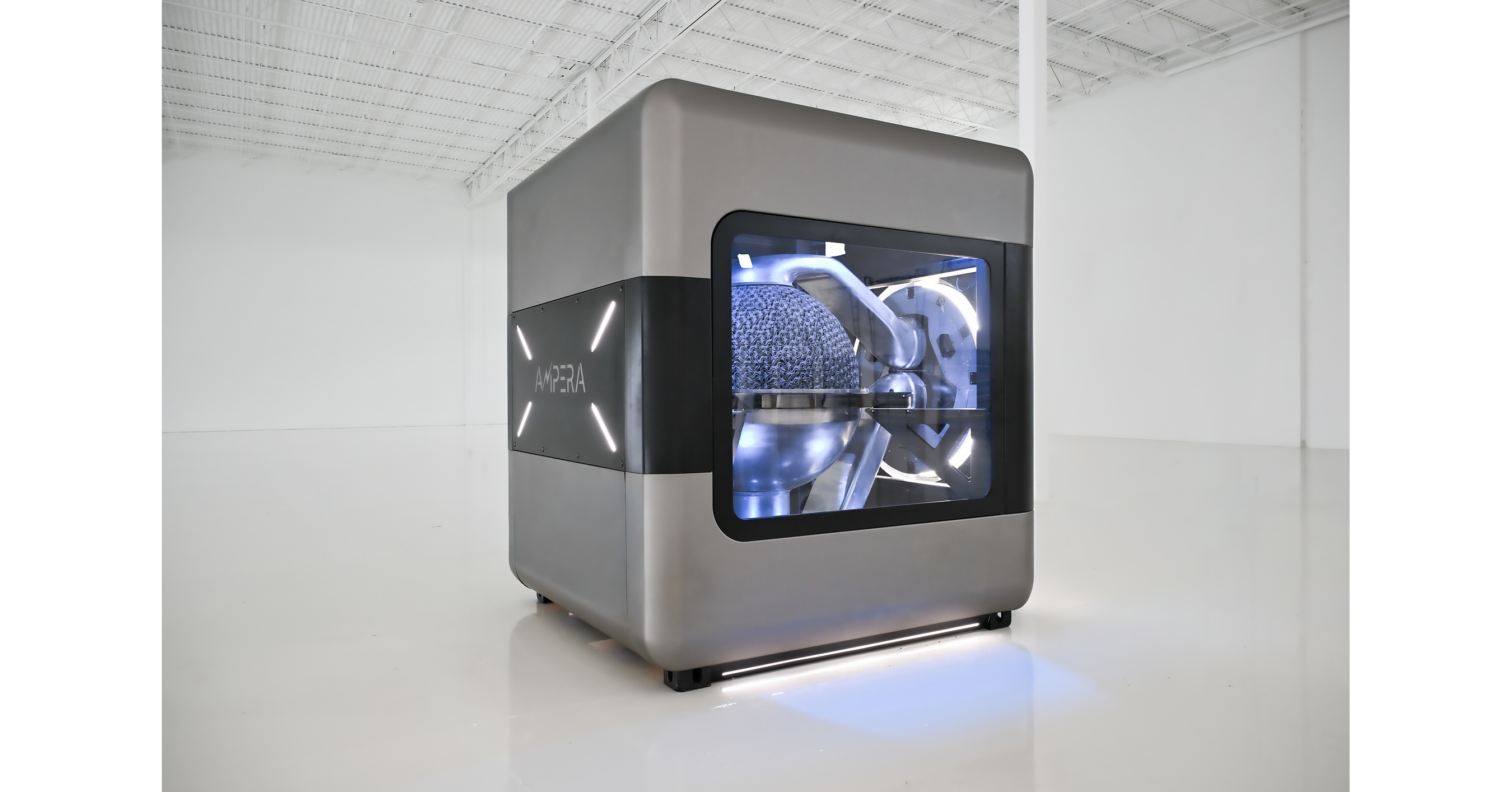
AMPERA submitted a comprehensive regulatory engagement plan to the U.S. Nuclear Regulatory Commission ahead of a planned license application for its combined production and fuel-fabrication site by October 2027. The plan covers licensing under 10 CFR Parts 40, 53, 70 and 71, including reactor licensing, nuclear materials, fuel and core manufacturing, and deployment across multiple sites. The company also named Michael Hamer, who has more than 25 years of nuclear licensing experience, as director of licensing and regulatory affairs; the article reports no commercial deployment or financial results.
Analysis
The investable signal is limited: a pre-application engagement plan is process progress, not evidence that the NRC has accepted a licensing path, endorsed the design, or shortened time to revenue. The proposed system may face a broader proof burden than a conventional reactor because the safety case must cover the subcritical configuration, external neutron source, fuel qualification, and an integrated site spanning fuel and reactor activities. A more streamlined NRC framework could help the advanced-reactor sector, but it may not remove project-specific review risk.
Near term (days), the release may reinforce sentiment around advanced nuclear, but AMPERA has no supplied ticker and the announcement alone does not support a public-equity trade. Over 1–3 months, watch for substantive NRC meeting records, scope changes, and evidence that the regulator accepts a workable review sequence—not company descriptions of collaboration. The Lawrence Livermore relationship is not, by itself, proof of qualified fuel or commercial readiness. Over 6–18 months, licensing execution, fuel availability and qualification, financing, and customer commitments matter more than the planned application date. The scope across multiple regulatory parts could increase coordination burden as well as flexibility.
Contrarian read: the market may treat regulatory engagement as de-risking, while the harder risks—technical validation, fuel-cycle execution, and an approvable safety case—remain unresolved. Conversely, if NRC process reform yields a repeatable pathway, broader advanced-nuclear developers and enabling suppliers could benefit, not just AMPERA. No defensible valuation or earnings sensitivity can be established from the supplied information.
AllMind Terminal
AI-powered research, real-time alerts, and portfolio analytics for institutional investors.
Request TrialMarket Sentiment
Overall Sentiment
mildly positive
Sentiment Score
0.20
Key Decisions for Investors
- No direct AMPERA position: no ticker or public financial data is supplied, and this milestone does not establish commercial or licensing de-risking.
- Treat advanced-nuclear exposure as a watchlist theme rather than chasing a headline move. Reassess public developers and suppliers only after verifying their own licensing milestones, customer contracts, and funding runway.
- Set a 1–3 month diligence trigger on NRC meeting records or written feedback that clarifies the review pathway and technical information still required; distinguish regulator documentation from company claims.
- Falsify the constructive pathway thesis if NRC feedback materially expands required testing or review scope, the planned application timing slips, or fuel qualification and customer commitments fail to advance.
More News
- Security researcher claims to they found KVM guest-host escape flaw
- SpaceX stock climbs to highest since June, returning Musk to trillionaire status
- Schneider Electric drops $22.6B on PTC as datacenter boom rains money on infra companies
- Security researcher claims they found KVM guest-host escape flaw
- Brazil Election: Bolsonaro Pushes Lula to Brink as Markets Set to Rally
- Schneider Electric to Acquire PTC for More Than $20 Billion