
Warburg Pincus on Why Financial Services M&A Isn’t for Tourists
Source: Bloomberg
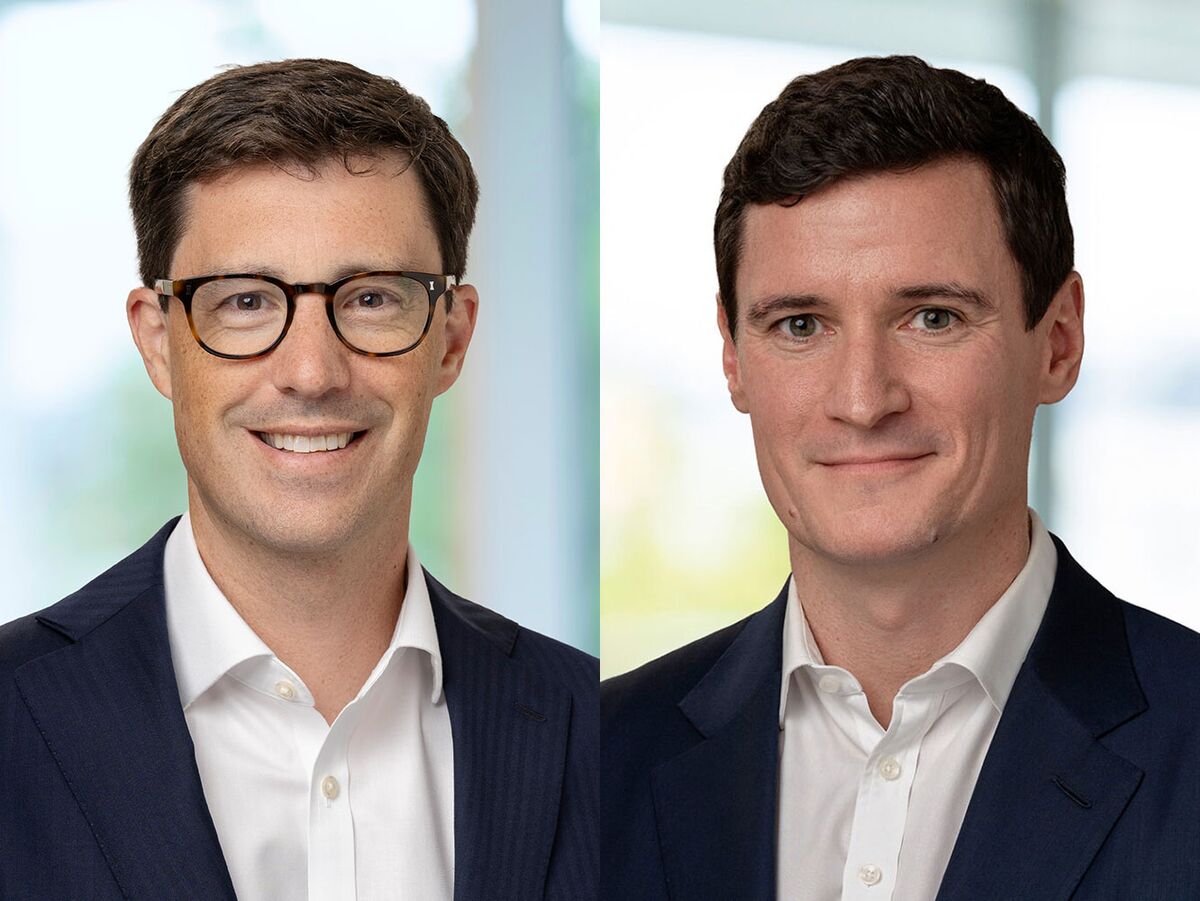
Warburg Pincus partners James O’Gara and Peter Deming discussed trends in financial-services dealmaking with Bloomberg. The excerpt describes a busy year of dealmaking but provides no transaction details, figures, or specific market outlook.
Analysis
The excerpt offers no deal terms, target names, or specific claims about financing and returns, so it does not support a directional trade in financial-services M&A or private-equity managers. The useful signal is diligence-related: financial-services deals can be unusually sensitive to regulatory permissions, customer retention, and the quality of earnings, making announced activity a poor proxy for value creation until closing and post-deal results are visible. If dealmaking accelerates, potential second-order beneficiaries include specialist advisers and providers of transaction financing; competing private-equity firms such as Blackstone, KKR, Apollo, Ares, and Carlyle could face greater competition for assets and fundraising. These are conditional effects, not developments established by the excerpt.
Near term, treat the item as sentiment rather than a catalyst. Over 1–3 months, the key evidence would be announced deal volume, financing terms, and whether transactions close on schedule. Over 6–18 months, monitor realized exits and portfolio-company performance: fundraising alone would not validate returns. A contrarian risk is extrapolating a busy year into durable fee growth or attractive investment returns; deployment at elevated prices or delayed exits could instead pressure future realizations. No trade is warranted from this excerpt alone.
AllMind Terminal
AI-powered research, real-time alerts, and portfolio analytics for institutional investors.
Request TrialMarket Sentiment
Overall Sentiment
neutral
Sentiment Score
0.00
Key Decisions for Investors
- No directional position on private-equity managers or financial-services M&A based on this teaser; it contains no deal-specific or independently verifiable financial information.
- Put Blackstone, KKR, Apollo, Ares, and Carlyle on a relative-monitoring list, not an automatic trade list. Compare fundraising, deployment, exit proceeds, and disclosed portfolio performance before drawing conclusions about competitive gains or losses.
- Reassess only if subsequent reporting provides named transactions and terms. Verify regulatory status, financing structure, purchase-price discipline, and closing progress; slippage or materially tighter financing would weaken the dealmaking thesis.
- Falsify any constructive read-through if later disclosures show weaker realized exits, portfolio underperformance, or fundraising without corresponding deployment and realizations.
More News
- VCs will make billions on Anthropic’s IPO, but Amazon is set to make much (much) more
- A. O. Smith sells 81% stake in China business to CPE
- The big takeaways and big questions from Anthropic’s S-1
- Anthropic’s S-1, by the numbers: A thriving business—with a $441 billion asterisk
- Anthropic’s S-1 embodies all the contradictions of the AI boom, and the questions about what happens next
- Guidewire buys Hyperexponential for $1.7B in cash