
Au salon IFA 2026, EZVIZ lance la prochaine étape vers une sécurité domestique intelligente, sans limites et ultramodulable avec ses caméras sur batterie à double et triple objectif et ses innovations dans le domaine de l'IA
Source: PR Newswire
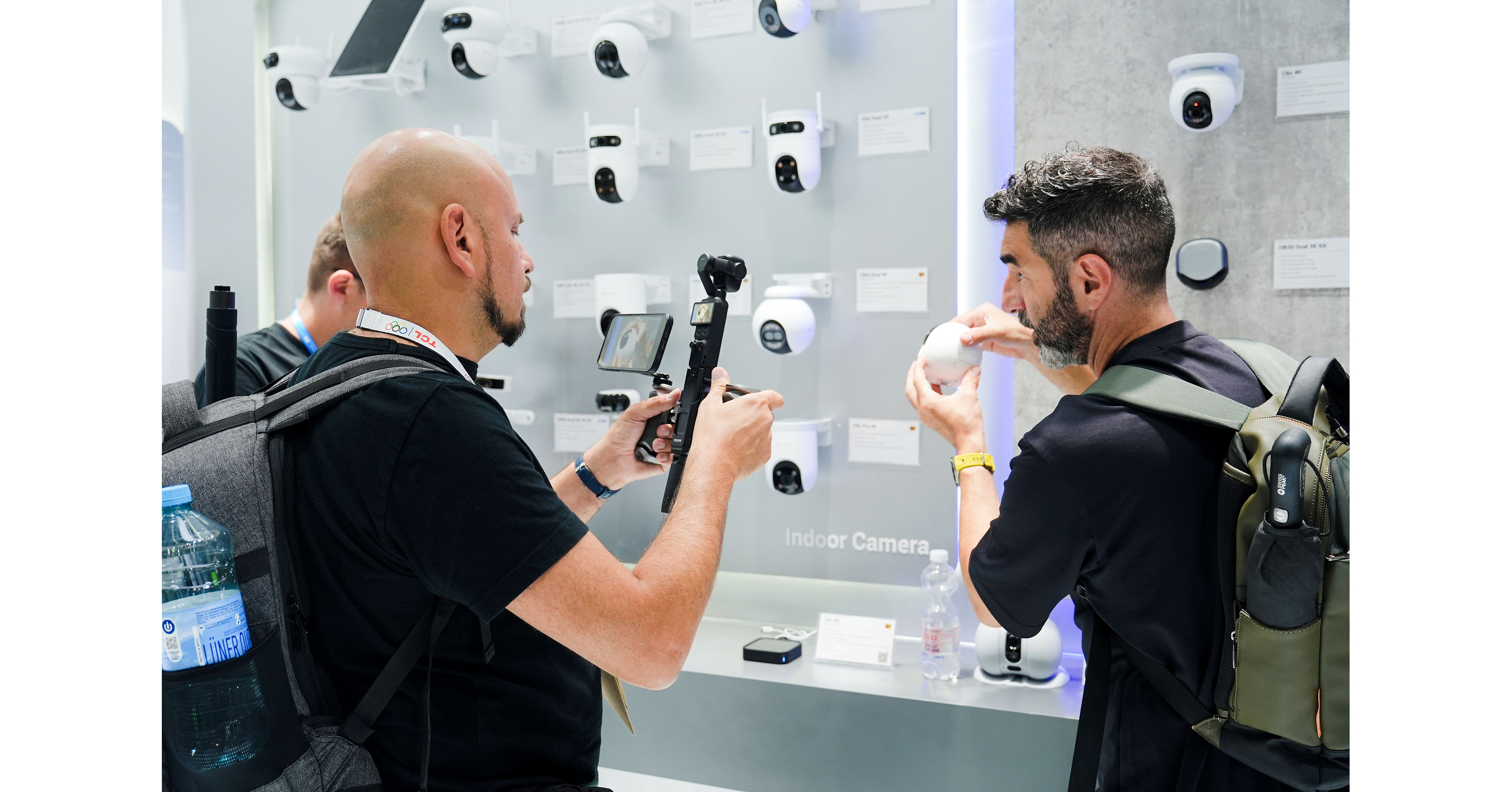
EZVIZ unveiled new AI-enabled battery-powered home-security cameras at IFA 2026, including the 3K dual-lens CB30 Dual and CB60 Dual models. The CB30 Dual offers a 180° blind-spot-free view, while the CB60 Dual adds up to 8x zoom plus Wi-Fi and 4G connectivity; the premium HB90f Triple includes three lenses, three motors, 12x hybrid zoom, solar charging and AI familiar-face recognition. The launches expand EZVIZ's smart-home security portfolio but are unlikely to have broad market implications.
Analysis
This is strategically relevant to the fragmented European smart-home camera market, but not yet investable public-equity news: EZVIZ is privately held and the release provides no pricing, channel orders, subscription attach rate, or unit-volume evidence. Multi-lens battery designs could raise bill-of-materials and warranty costs faster than retail ASPs unless the company can monetize cloud storage and AI features; the key competitive question is whether “no blind spots” translates into a premium tier rather than feature-led commoditization.
The near-term read-through is modestly negative for incumbent single-camera vendors exposed to European retail, especially Arlo (ARLO), if EZVIZ uses aggressive pricing and 4G/solar bundles to win installer-free outdoor demand. More importantly, local face recognition increases GDPR and retailer-liability risk: a regulatory inquiry or adverse privacy ruling would constrain a feature that is likely central to differentiation, while benefiting privacy-positioned alternatives such as Apple HomeKit-compatible ecosystems and potentially reducing category adoption.
Over 6-18 months, the structural beneficiary is likely the connectivity and storage stack rather than camera hardware. Wider adoption of always-on, multi-sensor devices increases Wi-Fi congestion, cellular data use, edge-processing demand, and cloud-video retention; however, the economics accrue only where vendors disclose recurring revenue. Consensus may overstate the AI upside: consumer surveillance hardware has historically seen AI features become table stakes quickly, with margin expansion dependent on subscription conversion rather than detection accuracy.
AllMind Terminal
AI-powered research, real-time alerts, and portfolio analytics for institutional investors.
Request TrialMarket Sentiment
Overall Sentiment
mildly positive
Sentiment Score
0.38
Key Decisions for Investors
- No standalone trade on this release. Create an alert on ARLO for European revenue growth, gross-margin guidance, paid-subscription attach, and retailer inventory commentary at the next two earnings prints; a guidance cut tied to European price competition would be the actionable short catalyst.
- Maintain a 1-3 month relative-value watch: long ARLO only versus a broad consumer-hardware proxy after confirmation that its subscription revenue and gross margin are stable despite European competition. Do not initiate before channel data; hardware revenue resilience without recurring-revenue growth would falsify the long case.
- Monitor EU privacy enforcement around on-device facial recognition over the next 6-12 months. A material enforcement action, mandated opt-in requirement, or retail delisting would be a category demand negative and could create a tactical short opportunity in consumer-security hardware ETFs or exposed listed vendors; absence of enforcement is not a positive catalyst by itself.
- For infrastructure exposure, favor companies with verifiable recurring connectivity or cloud economics rather than camera OEMs. Reassess cellular/IoT beneficiaries only if 4G-enabled camera adoption is corroborated by carrier IoT connection growth and ARPU disclosures; the press release alone does not establish sufficient volume.
More News
- OpenAI Trims Target Value & Volvo Cars Cuts 2,500 Jobs
- PG&E’s CEO says AI is ‘the best thing that could’ve ever happened to the grid’
- The mobile ambitions of SpaceX see telecom stocks get hit again. What the latest developments mean.
- Wake up! The long bond’s up two points!
- US tech stocks tumble as investors fret over AI spending
- Mark Zuckerberg owns 13% of Meta but controls 61% of its votes. California’s wealth tax would bill him on the 13%
From AllMind Research
- Anthropic IPO Preview: Valuation, Timing, and What to Watch
- Shein After the IPO: Venue, Valuation, and What Must Be Proved
- What AI Research Tools Should a Small Hedge Fund Buy First?
- Weekly Update: Options, Earnings Call Transcripts, AI Chat, Bookmarks & More
- AI Tools for Family Offices: A Stack by Decision Type