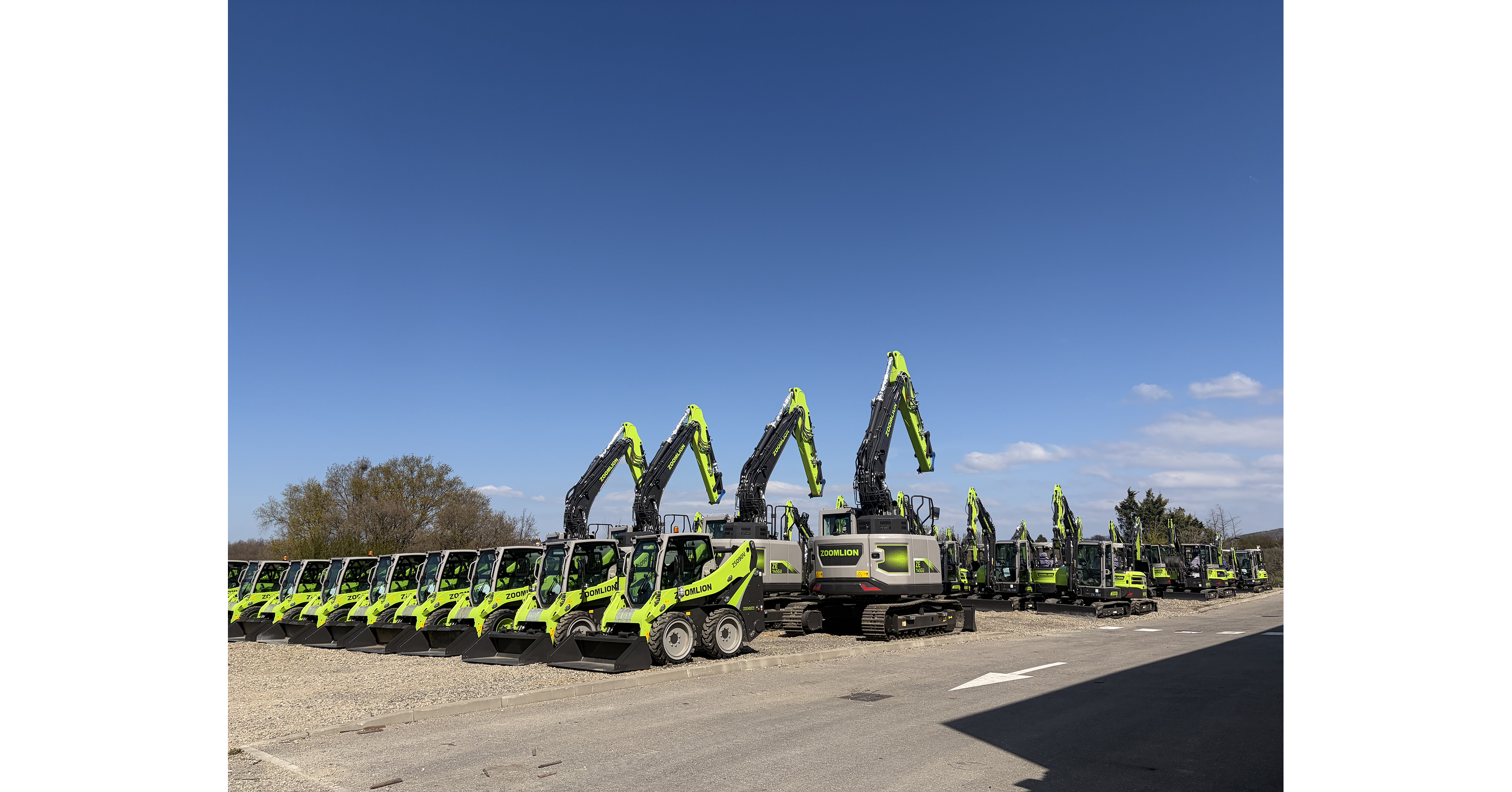
Zoomlion said its European customer-service network now covers 30+ cities across 20+ countries, including ~10 training centers, with in-situ technical assistance typically within 4 hours. The company’s latest addition is its first international training center for concrete machinery in Poland, which began operating and delivered a 2-day customized training program for seven technicians on concrete pump trucks on its first day. Zoomlion also plans to expand local engineering, increase spare-part buffers, improve remote diagnostics, and extend the 4-hour service model beyond major European city clusters.
This is less about near-term revenue and more about reducing the trust discount that keeps Chinese industrial OEMs out of premium European channels. In heavy equipment, uptime and parts availability matter more than sticker price; if Zoomlion can actually service a fleet within hours, it improves bid win rates with rental fleets, concrete contractors, and municipal buyers that otherwise default to incumbent OEMs. The first-order benefit is share capture, but the second-order effect is margin mix: a denser service network can pull through higher-margin spare parts and lower the churn that usually traps low-cost entrants in discounting.
The competitive pressure falls on regional incumbents with weaker service density, especially mid-tier players in lifting, concrete, and compact equipment where procurement is less brand-loyal than in premium earthmoving. A credible local service model also forces rivals to spend more on dealer coverage and warranty support, which can compress margins even if unit volumes hold. The risk is that the network is more promotional than operational: if the 4-hour promise requires heavy inventory buffers and expatriate technicians, the economics can actually worsen before they improve.
Time horizon matters. In the next few weeks this is mostly noise for the stock; over 1-3 months the key catalyst is whether European order intake, parts revenue, or gross margin inflects in filings. Over 6-18 months, the thesis only works if the installed base becomes self-reinforcing through repeat purchases and aftermarket attachment. Falsifiers: no measurable lift in Europe revenue mix, rising warranty accruals, or inventory/receivables growth outpacing sales.
The contrarian view is that the market may underestimate how much distribution and service, not product specs, determine share gains in Europe. But it may also be overpricing the announcement as if a network build equals durable moat; incumbents can defend with faster dealer response and financing. I’d treat this as a gradual-share-gain story, not a re-rating catalyst unless the next 1-2 quarters show real aftermarket pull-through.
AI-powered research, real-time alerts, and portfolio analytics for institutional investors.
Request TrialOverall Sentiment
mildly positive
Sentiment Score
0.18
Ticker Sentiment
