
Intel: The PC Hangover Is Just Beginning
Source: seekingalpha.com
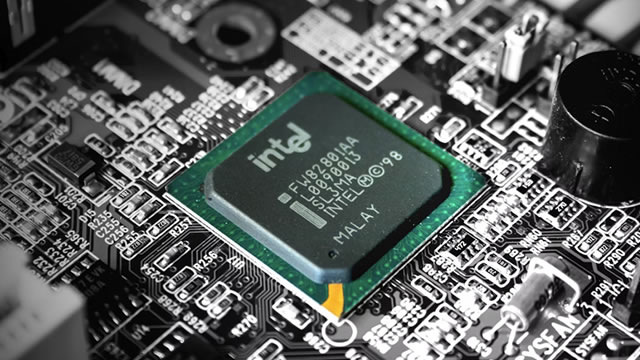
Intel shares fell 30% on Friday after what the article describes as a disastrous Q3 report. The article says Intel’s H1 ’26 outperformance benefited from higher pricing and pull-in, and argues those conditions are ending amid an industry- and Intel-estimated 20% contraction in the PC market in H2 ’26.
Analysis
The key risk is operating leverage: if PC unit weakness coincides with lower pricing and OEM inventory digestion, Intel could face a sharper earnings and cash-flow reset than unit volumes alone imply. The prior pull-forward also raises the chance that near-term orders overstate underlying demand. That is a mechanism to test, not proof that Intel’s other businesses will offset—or worsen—the PC weakness.
Competitors such as AMD and suppliers of Arm-based PC designs could gain share if OEMs use a downcycle to qualify alternatives, but a shrinking market can hurt all vendors; share gains need not translate into absolute growth. The immediate 30% repricing makes a fresh outright short vulnerable to a sharp relief rally. Over the next 1–3 months, track OEM inventory, sell-through versus shipments, Intel’s pricing and margin commentary, and any guidance revisions. Over 6–18 months, sustained share loss or weaker utilization would make the downturn more structurally damaging. The bearish case is weakened if sell-through stabilizes, inventory normalizes without further discounting, and margins hold. No valuation or consensus data are supplied, so the size of any remaining downside is unverified.
AllMind Terminal
AI-powered research, real-time alerts, and portfolio analytics for institutional investors.
Request TrialMarket Sentiment
Overall Sentiment
strongly negative
Sentiment Score
-0.72
Ticker Sentiment
Key Decisions for Investors
- Avoid chasing an outright short at the open after the gap-down; first assess whether the stock stabilizes and whether management’s forward commentary confirms that weakness extends beyond a temporary inventory correction.
- For existing exposure, trim or underweight INTC until there is evidence on OEM inventory and PC sell-through. Reassess if subsequent guidance and margin indicators stabilize rather than deteriorate.
- Treat a relative-value short INTC / long AMD as a conditional watch, not a market-demand hedge: initiate only if evidence shows Intel losing share or pricing power, since broad PC contraction could pressure both companies.
- Set a 1–3 month thesis check around channel inventories, shipment-versus-sell-through trends, and Intel margin guidance. A sustained stabilization in these measures would falsify the near-term bearish setup; further inventory buildup or weaker pricing would support it.
More News
- Apple's quarter is not perfect. But with enough to like, we raised our price target
- Palantir’s revenue rises 96% to $2.3 billion as investors’ patience rests on a hair trigger
- S&P 500 rises; Apple and Palantir set to report results
- The AI Selloff Meets Election Day
- INTC SHAREHOLDER INVESTIGATION: SueWallSt Notifies Investors of Potential Securities Claims Involving Intel
- Bernstein SocGen cuts Qualcomm stock price target on handset concerns