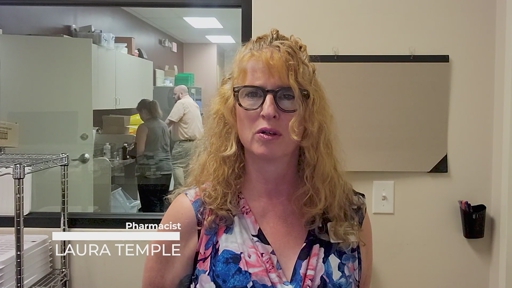
The article explains sterile compounding as a contamination-controlled process used to prepare customized medications (e.g., injections, eye drops, and IV therapies) under strict cleanroom, gowning, monitoring, and quality assurance procedures. It emphasizes compliance with USP sterile preparation guidelines (cleanroom operations, environmental testing, employee training, and QA) and notes additional safeguards such as accreditation/state oversight and pharmacist-provider communication to reduce dosing and compatibility errors. Overall, it is informational with no identifiable financial metrics or corporate/market-moving impact.
This is a compliance story, not a demand inflection. The economic advantage accrues to operators with existing cleanroom capex, QA systems, and documented training; subscale compounders face a higher fixed-cost burden per script, more inspection risk, and a larger liability tail. If any public name in the group has meaningful sterile-compounding exposure, the market should reward scale and auditability, not generic "custom meds" growth.
Second-order, tighter sterile standards tend to concentrate volume into centralized 503B-style facilities and away from local pharmacies that cannot amortize monitoring costs. That can create modest tailwinds for filtration, environmental monitoring, and validation vendors, while increasing switching friction for prescribers if a recall or board action constrains access. The biggest financial impact is downside protection for the best-run operator rather than incremental revenue upside.
Base case: no near-term catalyst. Over 1-3 months, the only tradable events are state-board inspections, USP enforcement, or a contamination recall; over 6-18 months, labor and compliance inflation should compress margins for small operators. The contrarian view is that the market may be overestimating the size of the opportunity here — this is mostly a quality filter, and PR language should not be treated as a growth signal.
AI-powered research, real-time alerts, and portfolio analytics for institutional investors.
Overall Sentiment
neutral
Sentiment Score
0.05
Ticker Sentiment
