
CordenPharma erhöht die Kapazität für die aseptische Abfüllung und Verpackung auf 500 Millionen Einheiten steriler Injektionspräparate pro Jahr
Source: PR Newswire
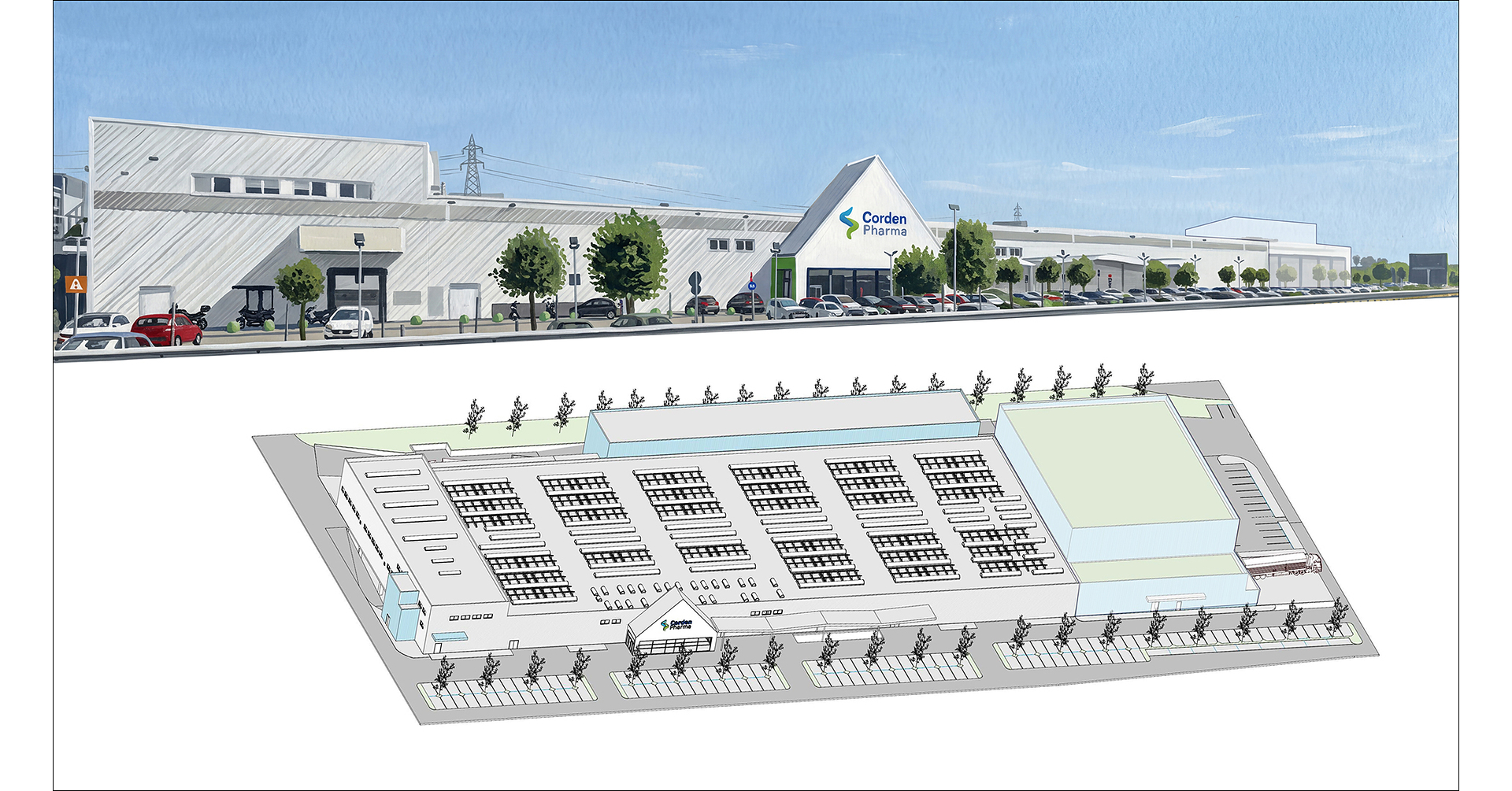
CordenPharma is investing €80 million to expand sterile injectable manufacturing at its Caponago, Italy site, targeting total capacity of up to 500 million units annually. The project includes a €13 million acquisition of an 11,000 m² building and 26,000 m² adjacent site, expanding the facility footprint by more than 50%, alongside new aseptic filling, inspection and packaging lines. New high-speed syringe and cartridge capacity exceeding 500,000 units per day is due by mid-2027 and 2028, supporting rising outsourced demand for GLP-1 peptides, biologics, LNPs and oligonucleotides.
Analysis
The investable read-through is more competitive than demand-positive: a well-capitalized private CDMO adding integrated sterile capacity raises the bar for listed European peers Lonza (LONN SW) and Siegfried (SFZN SW), particularly for development-stage biologics, peptide, and complex injectable programs where bundled API-to-fill-finish service reduces customer switching costs. The near-term effect on public peers should be limited because qualification and commercial validation delay revenue conversion; the more relevant issue is whether incremental industry capacity enters just as large GLP-1 programs increasingly diversify into oral formulations and in-house manufacturing.
Stevanato (STVN) is the clearest second-order beneficiary because prefilled-syringe, cartridge, and autoinjector throughput requires high-value primary containment and device components regardless of which CDMO wins the fill-finish contract. West Pharmaceutical Services (WST) also has favorable consumables exposure, although both names need sustained utilization—not merely announced lines—to convert capacity additions into orders and pricing. The structural risk is that multiple CDMOs expand simultaneously, weakening fill-finish pricing and reducing returns on capital for LONN, SFZN, Thermo Fisher (TMO), and Danaher (DHR) over the 2028-30 period.
Consensus may overstate the value of headline capacity: sterile manufacturing bottlenecks are usually customer-specific tech transfer, regulatory filing support, inspection history, and lot-release reliability rather than nominal annual unit capacity. The key 1-3 month confirmation points are peer commentary on sterile-injectable backlog, utilization, and pricing; the 6-18 month catalyst is whether major obesity and oncology programs choose outsourced prefilled-device formats rather than internal capacity or vial-based supply. A broad CDMO trade is premature absent evidence that new capacity is contracted or that peer lead times remain elevated.
AllMind Terminal
AI-powered research, real-time alerts, and portfolio analytics for institutional investors.
Request TrialMarket Sentiment
Overall Sentiment
strongly positive
Sentiment Score
0.58
Key Decisions for Investors
- Maintain a watch, not a directional position, in LONN SW and SFZN SW through the next earnings cycle; consider a relative short only if either reports declining sterile-fill-finish utilization, weaker book-to-bill, or pricing concessions while maintaining elevated capex. The thesis is falsified by backlog growth and stable or rising margins despite incremental capacity announcements.
- Accumulate STVN on broad healthcare weakness over a 6-18 month horizon rather than chasing CDMO headlines; it offers a picks-and-shovels exposure to the migration toward prefilled syringes, cartridges, and self-injection devices. Exit or reassess if biologic-device revenue growth decelerates materially for two consecutive quarters or if customer inventory reductions pressure utilization.
- Use WST as the higher-quality, lower-beta confirmation trade only after evidence of improving pharma-product order trends; target a 12-month holding period with upside driven by sterile containment mix rather than capacity volume alone. Primary risk is industry overcapacity shifting bargaining power to drug sponsors and compressing component pricing.
- Do not infer a direct long signal for Novo Nordisk (NVO) or Eli Lilly (LLY): outsourcing availability can reduce launch friction at the margin, but it does not resolve the more important constraints around API, device supply, reimbursement, and demand durability. Revisit only if either company identifies third-party sterile fill-finish capacity as a binding constraint in guidance.
More News
- Here’s the ‘core economic flaw’ in the AI bull case as stock and bond trades unravel, according to a top economist
- Biotech stocks are surging. How investors can play the new drug innovation boom
- Braskem creditors, shareholders near deal on $11bn debt restructuring
- Instacart reportedly discussed selling itself with DoorDash and Uber
- Israelis hold final rally against Netanyahu ahead of what may be the most consequential election in the country’s history
- Nvidia's role as AI financier faces first big test as neoclouds take market hit