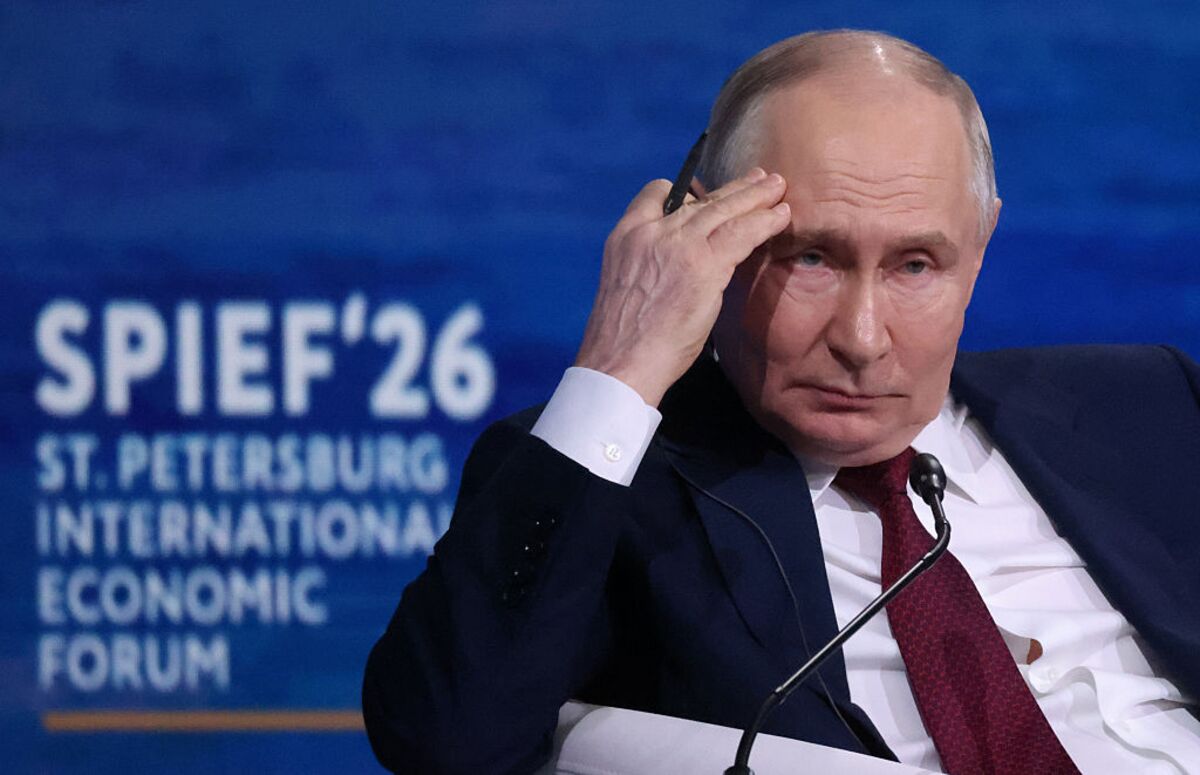
Ukraine launched a drone barrage on St. Petersburg, striking a defense ministry facility and disrupting operations at Russia’s second-largest commercial airport for several hours. The attack came hours after Vladimir Putin refused talks with Kyiv, underscoring escalation risks in the war. The news is materially negative for regional stability and could pressure risk sentiment broadly.
The immediate market read is not about the strike itself but about the signaling effect: attacks reaching a major urban and transport hub imply Russia’s rear-area risk premium is still widening, not stabilizing. That matters for logistics-sensitive assets because insurers, shippers, and airport-linked operators tend to reprice on perceived escalation path, not on isolated damage; the first-order operational hit can be brief, but the second-order effect is higher friction costs across the entire Baltic/Northwest corridor.
The larger issue is persistence. If Ukraine can periodically force disruptions around a major commercial airport and defense-adjacent infrastructure, Moscow is incentivized to divert more air defense assets away from the front and critical energy nodes, creating a cumulative strain that shows up over weeks, not days. That favors domestic Russian logistics and transportation discounts, but it also raises the probability of retaliatory escalation against Ukrainian energy and transport infrastructure, which keeps the conflict risk premium elevated into the next 1-3 months.
For global markets, the cleanest transmission is via European risk appetite and defense spending expectations, not direct commodity supply shock. The move is mildly negative for European cyclicals, travel, and Baltic/Nordic logistics exposures, while incrementally positive for defense contractors and cyber/electronic warfare names as the probability of continued drone-defense capex rises. The contrarian point: markets may underprice the normalization of low-grade disruption; if these attacks become routine, the marginal impact on headlines fades, but the structural cost base for Russian commerce and aviation keeps rising, which is a slow burn rather than a one-day shock.
AI-powered research, real-time alerts, and portfolio analytics for institutional investors.
Request TrialOverall Sentiment
strongly negative
Sentiment Score
-0.55
