
Myrava Advances Personalized Radiation Therapy With FDA 510(k) Clearance for Patient-Specific 3D Printed Bolus Device
Source: PR Newswire
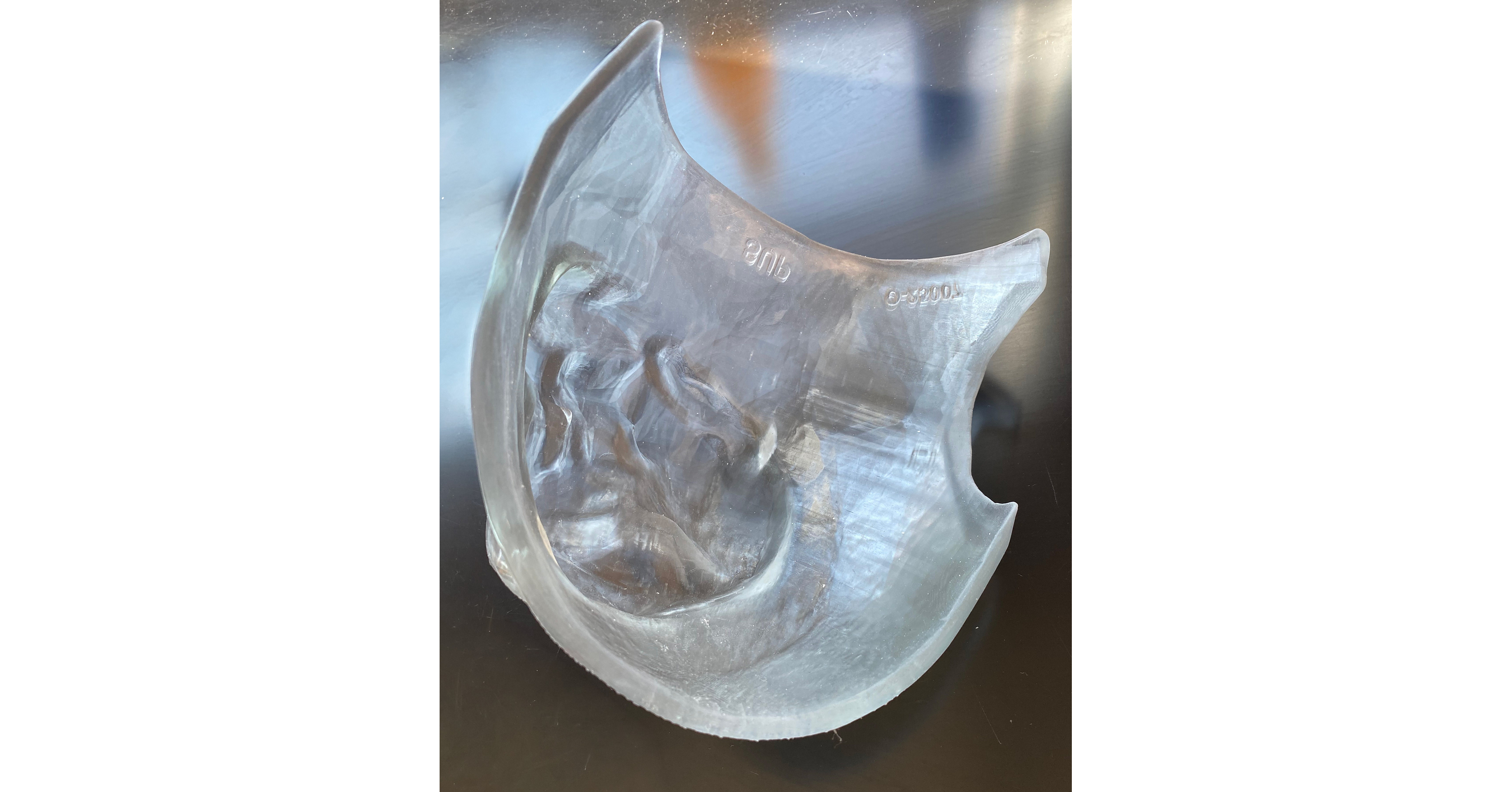
Myrava received FDA 510(k) clearance for its patient-specific 3D-printed bolus device, a radiotherapy accessory designed to improve radiation-dose control, treatment precision and patient comfort. The device can be manufactured at point-of-care facilities and is reusable for the same patient during a treatment cycle, expanding Myrava's FDA-cleared personalized-device portfolio. The clearance supports commercialization in radiation oncology, although Myrava disclosed no revenue, sales outlook or financial impact.
Analysis
This is not directly investable absent a listed parent, and the clearance alone does not establish reimbursement, hospital purchasing budgets, or clinical adoption. The relevant read-through is modestly positive for point-of-care additive manufacturing: a repeat-use consumable embedded in a multi-fraction treatment workflow can create stickier hospital relationships than one-off anatomical models, provided it reduces therapist labor and treatment replanning. The near-term value accrues more to private Myrava than to public medtechs.
Second-order pressure falls on low-tech bolus suppliers and manual fabrication workflows, but the addressable revenue pool is likely too small initially to move large radiation-oncology incumbents. Watch Varian/Siemens Healthineers (SHL.DE), Elekta (EKTA-B.ST), and Accuray (ARAY) for workflow-integration or distribution responses: their installed-base control could determine whether customized bolus becomes a standalone purchasing category or a feature bundled into treatment-planning ecosystems. Material and printer suppliers such as Stratasys (SSYS) and 3D Systems (DDD) have optionality only if deployments translate into recurring printer/material demand; one device clearance is insufficient evidence.
Over the next 1-3 months, ASTRO customer references, announced health-system deployments, pricing per treatment course, and evidence of reimbursement neutrality are the only meaningful adoption catalysts. Over 6-18 months, the investable signal would be expansion from a localized fabrication service into a standardized multi-site workflow. The contrarian view is that hospitals may prefer centralized production or existing manual methods if turnaround, validation burden, and infection-control procedures erode claimed labor savings; lack of disclosed utilization or contracted sites would falsify the commercialization thesis.
AllMind Terminal
AI-powered research, real-time alerts, and portfolio analytics for institutional investors.
Request TrialMarket Sentiment
Overall Sentiment
strongly positive
Sentiment Score
0.72
Key Decisions for Investors
- No immediate position: the issuer is private and the disclosed event lacks pricing, contracted volume, reimbursement, and unit-economics data.
- Place SSYS and DDD on an adoption watchlist rather than buy them on this news; require evidence of at least several named health-system rollouts and recurring materials/printer orders within 6-12 months before attributing revenue upside.
- Monitor ARAY, SHL.DE, and EKTA-B.ST around ASTRO and subsequent earnings calls for customized-accessory workflow partnerships or competitive product announcements; a bundled solution would reduce standalone manufacturer economics but validate category demand.
- If SSYS or DDD rallies materially on broader healthcare-printing enthusiasm without disclosed order conversion, consider a tactical short only against confirmed revenue guidance: failure to show healthcare revenue acceleration over two reporting periods would be the catalyst, while a major OEM or hospital-network contract is the key squeeze risk.
More News
- Wall Street’s Nasdaq hits all-time high as AI frenzy gathers pace
- Data-Center Bet Makes ESDS One of India’s Best New Listings
- Asia stocks ride tech wave higher, oil stays subdued
- Trump Says US Team Met With Iranians at UNGA
- Paramount will need to release way more movies to make this merger work
- Sullivan: Wall Street admits it doesn't know where oil is headed. There's one stock they do agree on