
oToBrite Showcases 3D Stereo Vision Camera and Teams Up with YUAN for GMSL2™ to HSB Demo at ROBOTWORLD 2026
Source: PR Newswire
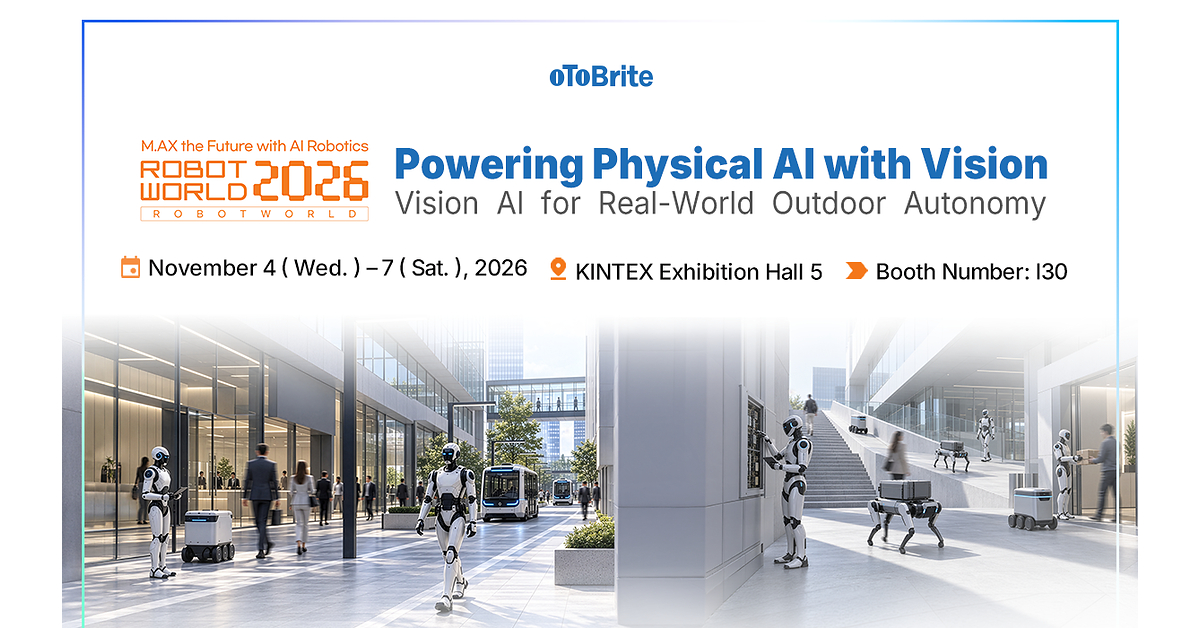
oToBrite will showcase a co-developed 3D stereo vision camera at ROBOTWORLD 2026, featuring sub-1 µs synchronization of 3MP global-shutter cameras and 60 mm or 120 mm baseline configurations; the 120 mm version supports depth perception up to 20 meters. oToBrite and YUAN will also demonstrate conversion from GMSL2 to NVIDIA Holoscan Sensor Bridge, connecting cameras to a Jetson Thor-powered platform. The announcement describes product demonstrations and capabilities but provides no sales, financial guidance, or market reaction.
Analysis
This is ecosystem validation, not evidence of a material commercial win. For indie Semiconductor (INDI), the useful signal is that its ISP is being integrated into a third-party stereo-vision module; that may improve credibility in robotics and autonomous-vehicle design cycles, but the article provides no customer commitments, production volumes, or revenue contribution. The key second-order question is whether the ISP becomes a repeatable component across camera designs or remains a one-off co-development.
NVIDIA (NVDA) gets a modest ecosystem benefit if the demo helps developers connect sensors to Jetson Thor, but a demonstration alone does not establish platform adoption or incremental compute demand. oToBrite and YUAN may gain near-term visibility; broader beneficiaries would be sensor-interface and robotics suppliers only if deployments scale. Conversely, integrated-vision competitors face more pressure from turnkey sensor-to-compute workflows than from this individual module.
Near term, the November showcase is a sentiment catalyst, not a fundamental one. Over 1–3 months, look for named customer programs, design-win status, or production timing. Over 6–18 months, robotics deployments could create a new outlet for automotive-grade vision components, but conversion depends on system qualification, reliability, and unit economics. The contrarian point: the market may over-credit a trade-show demo, while underappreciating its value as evidence of ecosystem compatibility. No earnings impact is verifiable from the supplied information.
AllMind Terminal
AI-powered research, real-time alerts, and portfolio analytics for institutional investors.
Request TrialMarket Sentiment
Overall Sentiment
mildly positive
Sentiment Score
0.20
Ticker Sentiment
Key Decisions for Investors
- Do not trade INDI solely on the demo announcement. Treat it as a watch item; verify whether the camera is a production design win and whether INDI discloses associated volume, timing, or revenue.
- For INDI, reassess on company commentary about automotive/embedded design wins and segment revenue or guidance. The thesis weakens if follow-up materials remain demo-focused or management indicates no production conversion.
- For NVDA, regard the announcement as a small ecosystem-positive, not a standalone estimate revision catalyst. Look for evidence of Jetson Thor customer deployments and sensor-to-compute adoption before adding exposure on this basis.
- Monitor the November event and subsequent customer announcements for repeat integrations beyond this collaboration. Without independent demand evidence, avoid assigning a meaningful robotics revenue premium.
More News
- SK Hynix says the memory-chip shortage will last until 2030—and more than half its production is booked for the next two years
- Google parent Alphabet tumbles after profit disappoints, warns AI is battering its cash flow
- Nvidia's $12.9 billion Hugging Face deal draws DOJ scrutiny
- Alphabet set to report third-quarter earnings after the bell
- Anthropic is about to go public. Here are the proxies that could benefit
- Google alters its cloud playbook, enlisting partners to sell more AI chips