
Steel Dynamics: Strong Expectations Already Priced In
Source: seekingalpha.com
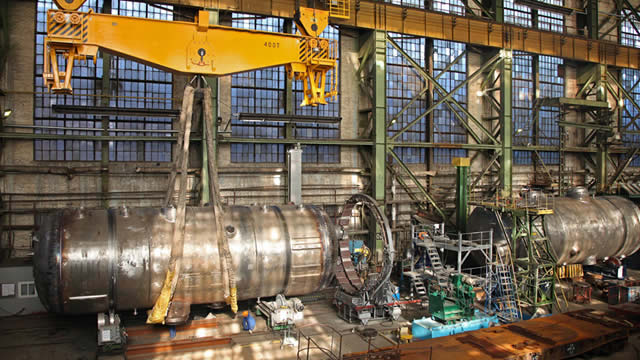
Steel Dynamics' Q3 results missed expectations, despite revenue rising 35% to $6.5B, EBITDA increasing 79% to $1.19B, and utilization reaching 92%. Tariffs have insulated steel operations from foreign competition and supported prices, but fabrication margins are pressured because the company cannot fully pass through higher raw steel costs. The aluminum ramp remains on track to reach profitability by 2027; shares have rallied more than 60% over the past year.
Analysis
The key exposure is not simply “tariff beneficiary”: tariff-supported steel pricing can widen the gap between upstream steel economics and downstream fabrication margins. That makes STLD’s consolidated results more sensitive to the mix of steel shipments versus fabricated products, and leaves a potential internal offset to the headline steel strength. Competitors with less exposure to fabrication could look relatively better if that spread persists; steel-consuming manufacturers face the opposite input-cost pressure.
After a substantial rerating, the earnings miss raises the risk that strong absolute results are insufficient unless forward pricing, shipments, or segment margins also improve. In the next 1–3 months, watch realized steel prices versus scrap and other metallic costs, fabrication margins, and guidance—not utilization alone. A tariff rollback or weaker demand could quickly compress domestic price premiums. Over 6–18 months, aluminum profitability is optionality rather than a current earnings floor: execution, ramp costs, and market pricing need verification before assigning much value.
Contrarian angle: tariff protection can support near-term pricing, but it may also encourage capacity response and invite policy reversal, limiting the durability of the premium. The evidence provided does not establish valuation or the scale of the fabrication drag, so this supports caution on chasing rather than a high-conviction outright short.
AllMind Terminal
AI-powered research, real-time alerts, and portfolio analytics for institutional investors.
Request TrialMarket Sentiment
Overall Sentiment
mixed
Sentiment Score
0.15
Ticker Sentiment
Key Decisions for Investors
- Avoid adding to STLD solely on backward-looking strength; consider trimming an overweight or using a defined-risk put spread after checking option pricing and liquidity. The setup is a tactical hedge, not a valuation-based short.
- Reassess after the next segment disclosure: require evidence that fabrication margins are stabilizing and that steel price-cost spreads are holding. If those deteriorate alongside weaker guidance, increase downside protection; if they improve, the cautious thesis weakens.
- Track tariff developments and domestic-versus-import steel price premiums as near-term catalysts. A meaningful premium contraction would challenge the protected-pricing thesis; sustained premiums with resilient demand would argue against a bearish position.
- Treat the 2027 aluminum-profitability target as a watch item, not a near-term earnings catalyst. Verify ramp progress, associated costs, and segment disclosures before giving the outlook material weight.
More News
- Wall Street gains as healthcare stocks rally, oil prices fall
- Stocks making the biggest moves midday: Hasbro, Northrop Grumman, Equifax, General Motors & more
- Stocks making the biggest moves premarket: RTX, General Motors, Northrop Grumman, Steel Dynamics & more
- Australian data center operator NextDC's shares plunge 40% after it slashes earnings forecast
- Elon Musk says Tesla and SpaceX are weighing a $3.5 trillion merger—without him in the room
- Neoclouds Lose Silver Lining as Elice, CoreWeave Dive: Evening Briefing Americas
From AllMind Research
- Anthropic IPO Preview: Valuation, Timing, and What to Watch
- Shein After the IPO: Venue, Valuation, and What Must Be Proved
- What AI Research Tools Should a Small Hedge Fund Buy First?
- Weekly Update: New Reporting Features, UI Improvements, and Chat Optimizations
- Selecting an AI Research Platform for Institutional Investors