
Latest Oil Market News and Analysis for Oct. 19
Source: Bloomberg
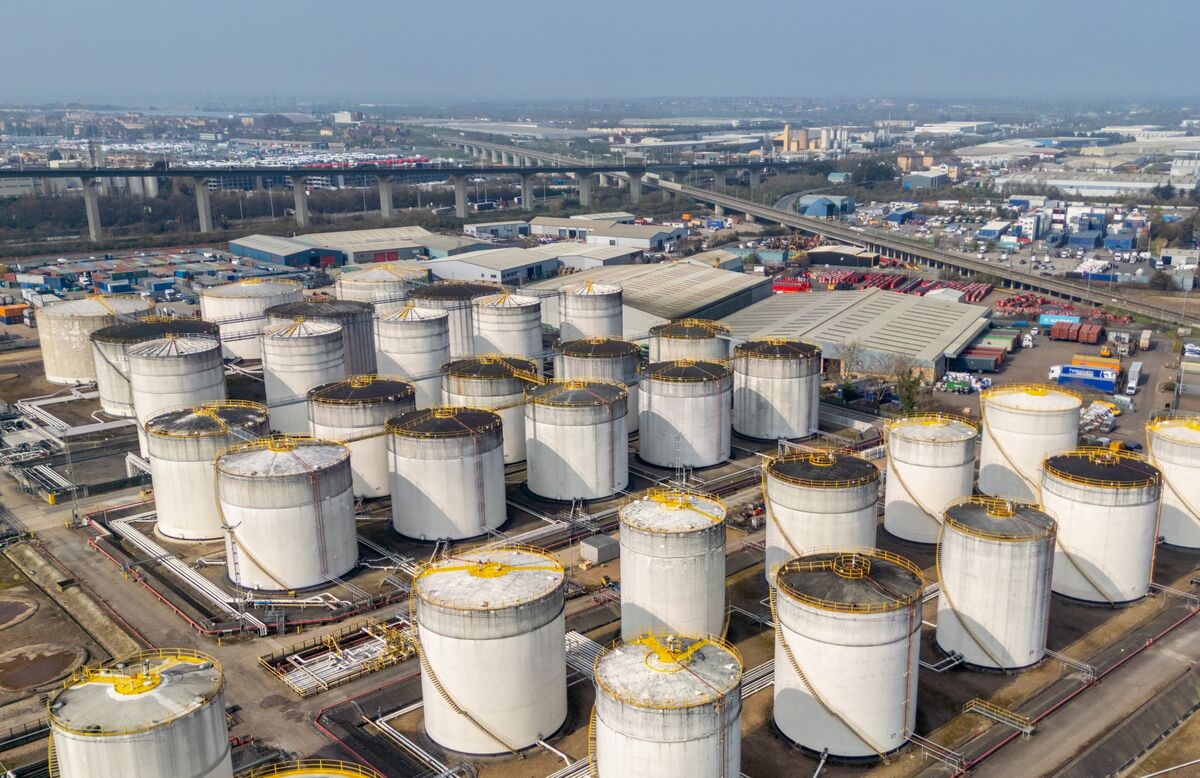
Brent traded below $110 a barrel after reaching that level Friday for the first time since May; WTI was near $101, while European natural gas rose as much as 2%. Fighting in the Middle East and Ukraine is clouding prospects for a return to normal crude flows. Reported incidents included a Saudi helicopter crash near Yemen, Houthi targeting of export hub Yanbu, and two tankers reportedly hit in the Persian Gulf.
Analysis
The key distinction is between a risk premium and a physical shortage. Reported attacks can lift prompt prices and freight/insurance costs immediately, but durable crude tightness requires evidence of delayed loadings, reduced exports, or longer vessel routes. Without that confirmation, the weekend premium is vulnerable to a fast unwind; avoid treating the price level alone as proof of lost supply.
If disruption persists, the second-order winners are upstream producers and energy-exporting regions, while fuel-intensive airlines, shipping, road transport, and petrochemical producers face margin pressure. Refiners are not a clean short: higher crude costs can be offset by stronger product cracks, depending on inventory and pass-through. A sustained oil shock also raises inflation risk and could delay rate cuts, pressuring long-duration equities even outside energy.
Over days, watch verified tanker/loadings data, war-risk insurance and freight rates, and whether prices hold the post-spike gains. Over 1–3 months, actual export interruptions—not incident headlines—determine whether the premium persists. Over 6–18 months, sustained high prices could accelerate demand substitution and efficiency, ultimately capping producer upside. The contrarian risk is that markets price escalation before physical flows change; a ceasefire, safe passage, or uninterrupted export data would expose crowded, momentum-driven oil positions.
AllMind Terminal
AI-powered research, real-time alerts, and portfolio analytics for institutional investors.
Request TrialMarket Sentiment
Overall Sentiment
mixed
Sentiment Score
-0.10
Key Decisions for Investors
- Do not chase outright crude after the jump. Consider a defined-risk Brent call spread only if independent shipping or export data confirms disruption; the thesis is falsified by stable loadings and a retreat in war-risk freight/insurance costs.
- Keep a conditional relative-value bias toward energy producers over fuel-intensive transport if crude remains elevated, but size modestly until pass-through and product-margin data confirm who absorbs the cost. Avoid a blanket short of refiners.
- Treat airlines, shipping and petrochemicals as watch-list shorts rather than immediate trades: require evidence of sustained fuel-cost pressure or guidance/margin revisions. A rapid Brent reversal would invalidate the setup.
- Monitor European gas separately from crude. A brief price response without evidence of supply impairment is not sufficient to broaden the position into a European gas trade.
More News
- Putin reportedly suggests summit with Trump and Xi to decide fate of Ukraine
- Ukraine launches over 1,000 drones at Russia, setting oil facilities ablaze
- Trump defends Russian sanctions relief, lashes out at Zelenskyy
- China’s Coal Output Drops as Concerns Build Over Winter Supply
- Asian stocks skid, Wall Street and bonds aided by oil slip
- Brent crude hovers near $109 a barrel as Ukraine resumes energy strikes, tankers attacked in Middle East
From AllMind Research
- Anthropic IPO Preview: Valuation, Timing, and What to Watch
- Shein After the IPO: Venue, Valuation, and What Must Be Proved
- What AI Research Tools Should a Small Hedge Fund Buy First?
- Best AI Stock Research Tools for Professional Investors
- Weekly Update: Adding Live MBO Level 3 Data - Liquidity Heatmap, OFI Charts, and More