
Nike Q1: The Company Of The Past Is Gone
Source: seekingalpha.com
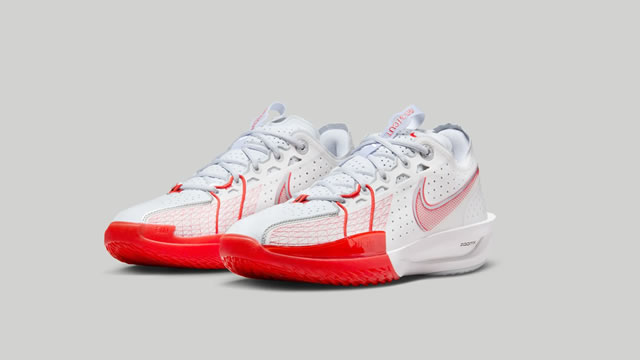
Nike reported a 4% Q1 revenue decline, with pronounced weakness in Europe and Greater China, while guidance came in materially below consensus. Although expense control supported margins, higher demand-creation spending did not halt sales declines, underscoring execution and competitive pressures. Despite a 76% five-year share-price decline, the stock still trades at 21x forward earnings, leaving the valuation viewed as unattractive.
Analysis
The key risk is that Nike’s cost discipline is masking a deteriorating brand/product cycle rather than creating a durable earnings floor. Incremental marketing spend without a volume response implies weaker return on demand-creation investment; if management must eventually choose between restoring wholesale distribution, accelerating product innovation, and protecting gross margin, consensus EPS is likely still too high. A 21x forward multiple leaves limited room for this transition to be treated as a temporary reset, particularly if North America follows international markets into sustained promotional activity.
Competitive share gains should accrue disproportionately to On Holding (ONON), Deckers’ HOKA franchise (DECK), and Adidas (ADS.DE), whose product cycles and specialty-channel momentum are more favorable. The less obvious transmission is to sporting-goods retailers: a Nike-led reset in wholesale allocations or markdowns could pressure near-term footwear gross margins at DICK’S (DKS) and JD Sports (JD.L), though brands with scarce high-velocity inventory should gain shelf space and bargaining power. Watch retailer commentary on Nike sell-through and average selling prices before treating inventory normalization as evidence of a demand recovery.
Over the next 1-3 months, downward estimate revisions and reduced confidence in the timing of a China/Europe inflection are the likely catalyst path. Over 6-18 months, the central issue is whether new product launches can restore full-price sell-through without relying on promotions; failure would turn the valuation debate into a structural multiple de-rating. The bearish thesis is falsified by two consecutive quarters of stable-to-positive constant-currency revenue, expanding full-price sell-through, and guidance that supports EPS without further cuts to brand investment.
AllMind Terminal
AI-powered research, real-time alerts, and portfolio analytics for institutional investors.
Request TrialMarket Sentiment
Overall Sentiment
strongly negative
Sentiment Score
-0.58
Ticker Sentiment
Key Decisions for Investors
- Maintain an underweight/short NKE bias into the next earnings cycle; target a 15-17x forward EPS valuation range if revenue deterioration persists, with risk control on evidence of two consecutive quarters of improving constant-currency growth and gross-margin stability.
- Pair trade: long ONON and/or DECK versus short NKE over a 3-6 month horizon. The trade isolates premium-performance footwear share gains from broad discretionary beta; reassess if ONON/DECK report decelerating direct-to-consumer growth or materially higher promotional intensity.
- Avoid treating a post-earnings NKE decline as a value entry solely on the five-year drawdown. Add only after independently verifiable indicators—full-price sell-through, inventory turns, and wholesale partner reorder trends—confirm that marketing investment is converting to demand.
- Monitor DKS and JD.L earnings for footwear markdown and inventory commentary. A broad promotional reset would be a secondary short-risk signal for exposed retailers, while constrained premium-brand shelf allocation would reinforce the ONON/DECK relative-long leg.
More News
- Nike Warns Sales Slump Will Worsen This Fiscal Year
- One of our most recent defensive buys cleared a hurdle and its stock jumped
- Nike's troubles are mounting, and sales could fall further
- Nike issues bleak forecast, plans to slash more jobs after sales disappoint
- Nike falls as revenue miss overshadows earnings beat
- Nike Investors Focused on China, CEO Ahead of Earnings