
Gate Sentry Introduces SoloPass: The End of Gate Codes, Keypads, and Kiosks; displacing age-old technology
Source: PR Newswire
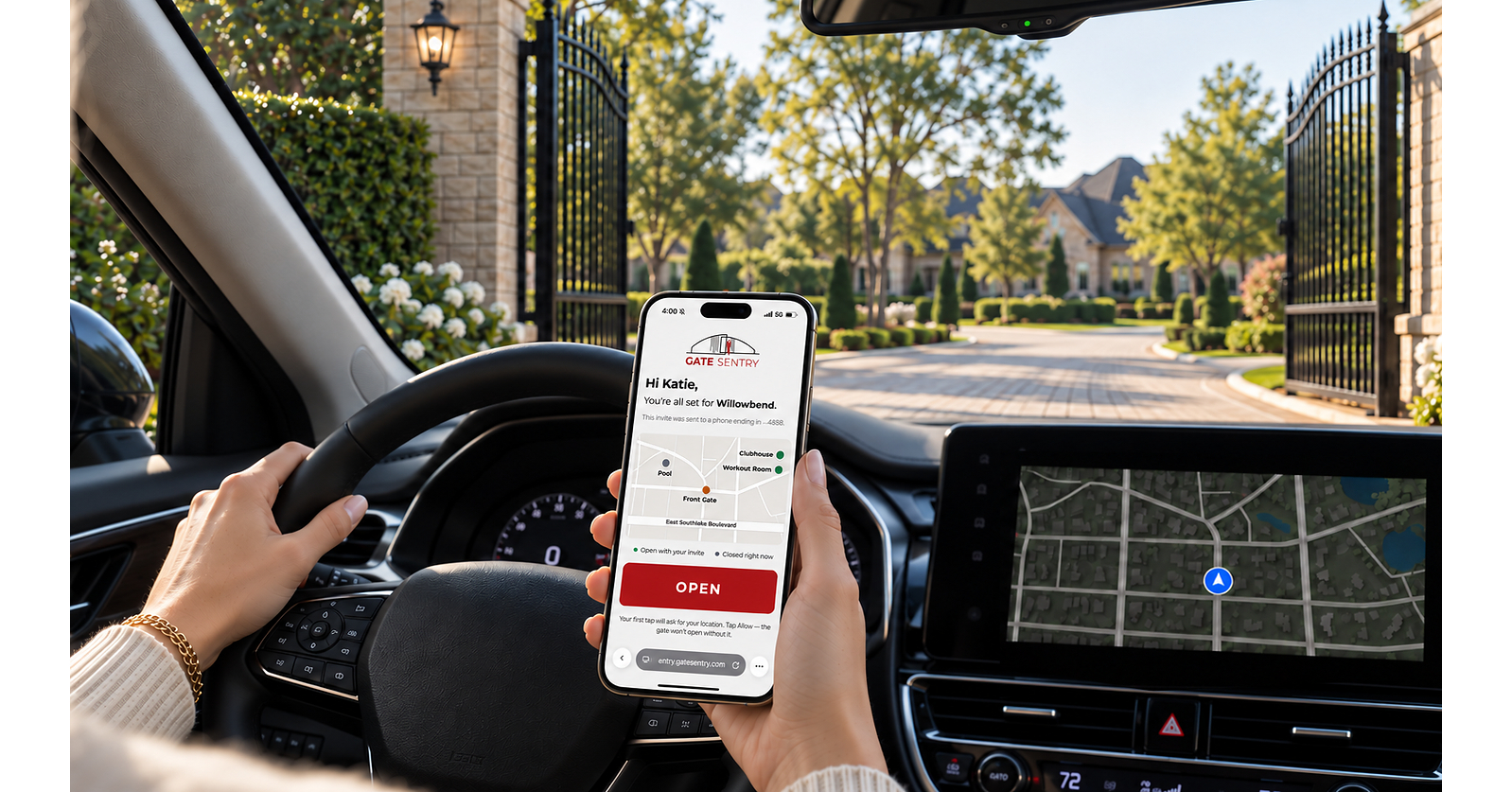
Gate Sentry launched SoloPass, a visitor-access product that replaces entrance codes and visitor-facing hardware with device-bound smartphone passes, delivered by text or email and opened with one tap. Passes can be single-use or expire after a set duration; the company says the approach can reduce installation and maintenance costs and limit credential sharing. SoloPass is available now for gated communities, multifamily, commercial, industrial, and other properties; the article provides no sales, pricing, or adoption figures.
Analysis
The investment question is not whether a visitor can tap a phone, but whether Gate Sentry can replace enough installed equipment to change property-level economics and win recurring software revenue. The claimed savings apply most directly to visitor-facing devices; gates, controllers, connectivity, and integration may remain, limiting the addressable hardware displacement. Incumbent access-control vendors and installation/maintenance providers could face pressure on keypad and kiosk refreshes, but may blunt it with hybrid offerings or bundle mobile credentials into existing systems. Property managers benefit only if lower service costs and easier visitor access outweigh migration, integration, and support costs.
Security is a product claim, not yet evidence of lower loss rates: device binding and expiry may reduce casual credential sharing, while compromised phones or email/SMS accounts, connectivity failures, and access-rule errors remain relevant. One outage or unauthorized-entry incident could slow adoption. Near term, this is a weak signal for public equities: the release provides no adoption, pricing, customer-retention, or independently verified cost data, and no listed company identity is supplied. Over 1–3 months, watch for named deployments and integrations; over 6–18 months, the structural test is whether properties retire hardware at renewal rather than merely adding a mobile option. The contrarian risk is that “hardware-free” describes the visitor interface, not the full access-control stack.
AllMind Terminal
AI-powered research, real-time alerts, and portfolio analytics for institutional investors.
Request TrialMarket Sentiment
Overall Sentiment
mildly positive
Sentiment Score
0.20
Key Decisions for Investors
- No immediate directional trade: Gate Sentry is not mapped to a public ticker, and the release alone does not establish a material earnings impact for access-control incumbents.
- Set a watch item on access-control hardware vendors and installation providers: seek evidence that deployments replace kiosks/keypads, not just add mobile credentials. Consider relative underweight only if reported orders, backlog, or renewal demand show sustained displacement.
- For any future Gate Sentry exposure, verify paid-property count, recurring revenue and retention, implementation costs, gate/controller compatibility, and measured reductions in service calls or hardware spending before underwriting scalable margins.
- Falsifiers for the disruption thesis include continued customer demand for physical credentials, costly integrations that erase property savings, material outage or unauthorized-access incidents, or incumbent vendors retaining contracts through hybrid systems.
More News
- Singapore's Temasek warns of the ‘biggest risk’ facing markets right now
- GIC Private Ltd, Medline 10% owner, sells over $721m in shares
- A 32% beat, a +6% jump: the IT solutions name our models picked in July
- Nvidia Is on the Verge of a $6 Trillion Market Value
- Controversial $110 billion mega-merger of Paramount and Warner Bros. finally closes
- What Marvell's rosy long-term guidance means for our AI chip stocks