
Oregon's Clean Energy Grid Depends on a Skilled Electrical Workforce as 2026 License Renewals Approach
Source: PR Newswire
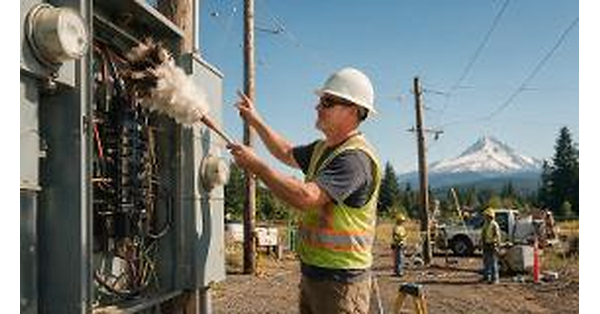
Oregon electrical licenses for six limited classifications, including renewable energy technicians, are due for renewal by October 1, 2026. The release highlights the need for licensed, trained electricians as the state expands renewable generation, battery storage, grid modernization and electrification infrastructure. This is primarily a workforce licensing reminder and is not expected to have a material market impact.
Analysis
This is not a fundamental catalyst for CETY. The issuer is a continuing-education provider with no demonstrated linkage to CETY's order book, project pipeline, or addressable market; treating workforce-renewal messaging as renewable-infrastructure demand would be a category error. For small-cap clean-tech names, the relevant gating variables remain project financing availability, interconnection timing, equipment backlog conversion, and customer capex—not broad statements about installer training.
The only potentially investable read-through is longer-dated: electrician scarcity can raise installed-cost inflation and delay distributed-energy and storage deployments, pressuring developers and EPCs before it benefits equipment vendors. Over 6-18 months, companies with standardized, lower-labor-intensity systems could gain relative share, but there is insufficient evidence that CETY has that advantage or meaningful Oregon exposure. Near term, this release should have no valuation impact; any CETY price/volume spike attributable to it would more likely represent low-float technical activity than a change in earnings power.
Contrarian view: labor constraints are not uniformly bullish for the energy-transition complex. If wage and subcontractor costs rise faster than incentives and utility tariffs, marginal projects become uneconomic, reducing equipment demand despite favorable policy narratives. The thesis would turn constructive only if CETY discloses funded contracts, backlog growth, gross-margin resilience, and cash runway sufficient to bridge project-payment cycles; absent those data, the risk is dilution rather than upside rerating.
AllMind Terminal
AI-powered research, real-time alerts, and portfolio analytics for institutional investors.
Request TrialMarket Sentiment
Overall Sentiment
neutral
Sentiment Score
0.10
Key Decisions for Investors
- No new CETY position on this item; classify it as non-material promotional/news-flow risk rather than an operating catalyst.
- Set an alert for CETY's next filing or earnings release: revisit only if contracted backlog or revenue guidance rises materially while gross margin holds or expands. A revenue announcement without payment terms, financing details, or working-capital disclosure is not sufficient.
- For any existing tactical CETY exposure, use abnormal volume without a contemporaneous SEC filing as an opportunity to reduce risk; small-cap clean-tech liquidity can reverse sharply once attention fades over days to weeks.
- Monitor renewable EPC and distributed-storage project commentary over the next 1-3 months for labor-cost escalation and commissioning delays. Confirmation would be a sector-level margin headwind, not a direct long signal for CETY.
More News
- Why is Constellation Energy stock sliding today?
- Constellation and Amazon Announce 20-Year Power Purchase Agreement Adding 190 Megawatts of Nuclear Capacity at Calvert Cliffs
- Greer urges G20 to back Trump tariff agenda, takes aim at China
- California Gov. Gavin Newsom bans AI 'robo bosses' in landmark state law, reversing his earlier veto
- US judge approves settlement allowing Paramount to acquire Warner Bros
- Why is Nidec stock plunging today?