
India's Weakest Monsoon Since 2015 Hits Farmers, Drags on Economy
Source: Bloomberg
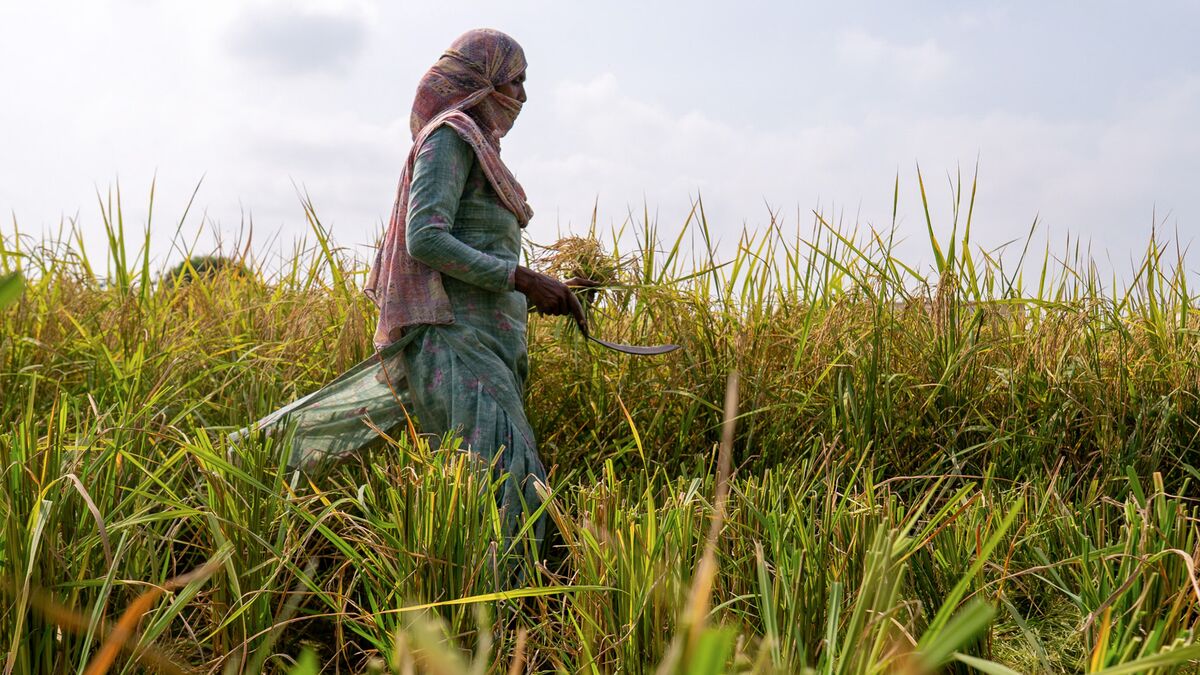
India recorded its weakest monsoon rainfall since 2015, following erratic precipitation during the wet season. The shortfall threatens agricultural harvests and broader economic growth, while reducing rural household spending during the wedding and festival season. Retailers dependent on farm-income demand, including sari sellers in northern India, are monitoring sales closely.
Analysis
The market transmission is likely to run through rural disposable income and food inflation simultaneously—a more damaging mix for Indian equities than either alone. Lower farm cash generation can delay post-harvest purchases of two-wheelers, tractors, consumer durables and branded discretionary goods, while higher staple prices force lower-income households to trade down from packaged products. HINDUNILVR, DABUR and ITC face volume/mix risk; Hero MotoCorp and Mahindra & Mahindra have more direct rural-demand sensitivity, although M&M's auto and farm-equipment diversification limits pure downside.
The second-order issue is monetary policy. If weather-driven food inflation remains elevated into the next two CPI prints, the RBI has less room to ease even if broader growth softens; that pressures rate-sensitive domestic cyclicals and challenges the premium multiple on India-focused ETFs. INDA and EPI may therefore underperform EM peers over a 1-3 month window if consensus earnings estimates have not yet reflected weaker festive demand, particularly for consumer, rural finance and small-cap holdings.
Consensus may overstate the persistence of the hit: irrigation, government support measures, reservoir levels and a rapid normalization in food prices can cushion the income shock. The cleaner signal is not rainfall alone but October-November rural sales, FMCG volume commentary, two-wheeler registrations and food CPI. A sustained acceleration in food CPI alongside subpar rural-volume growth would turn a seasonal disruption into a 6-12 month earnings-downgrade cycle.
AllMind Terminal
AI-powered research, real-time alerts, and portfolio analytics for institutional investors.
Request TrialMarket Sentiment
Overall Sentiment
moderately negative
Sentiment Score
-0.45
Key Decisions for Investors
- For the next 1-3 months, express a defensive India tilt via long ITC versus short HINDUNILVR in equal beta-adjusted notional: ITC's diversified earnings and cigarette pricing power should be relatively more resilient than a premium packaged-goods volume story. Exit if HINDUNILVR reports resilient volume growth or food CPI decelerates materially over the next two releases.
- Avoid adding to Hero MotoCorp and rural-exposed consumer names ahead of festive-season sales data; use disappointing October-November registration or channel checks as confirmation for a tactical underweight. The thesis is invalidated by strong rural registrations despite food-price pressure, suggesting farm income/support has offset weather damage.
- For broad exposure, prefer an INDA/EEM relative-value short rather than an outright India short while RBI-policy uncertainty is elevated; target a 3-6% relative move over 1-3 months, with a stop if Indian food CPI moderates and RBI communication shifts toward easing.
- Monitor M&M rather than shorting it outright: weak tractor volumes could create a tactical entry opportunity only if automotive margins and order trends remain intact. The required data are monthly tractor volumes, festive bookings and management commentary on rural financing; absent those, the diversified business makes the weather thesis too imprecise for a directional short.
More News
- Oil falls as Middle East exports recover easing supply worries
- Goldman Sachs pushes Fed rate hike forecast to December
- South Korea’s exports hit record high on AI boom
- In photos: China's Xi hardens Taiwan warning as country celebrates week-long National Day holiday
- China’s Property Crisis: From Evergrande Collapse to Beijing’s Latest Measures
- Greer urges G20 to back Trump tariff agenda, takes aim at China