
Rockwell Automation: CompactLogix 5390-Steuerung erweitert Integrated Architecture-Portfolio
Source: PR Newswire
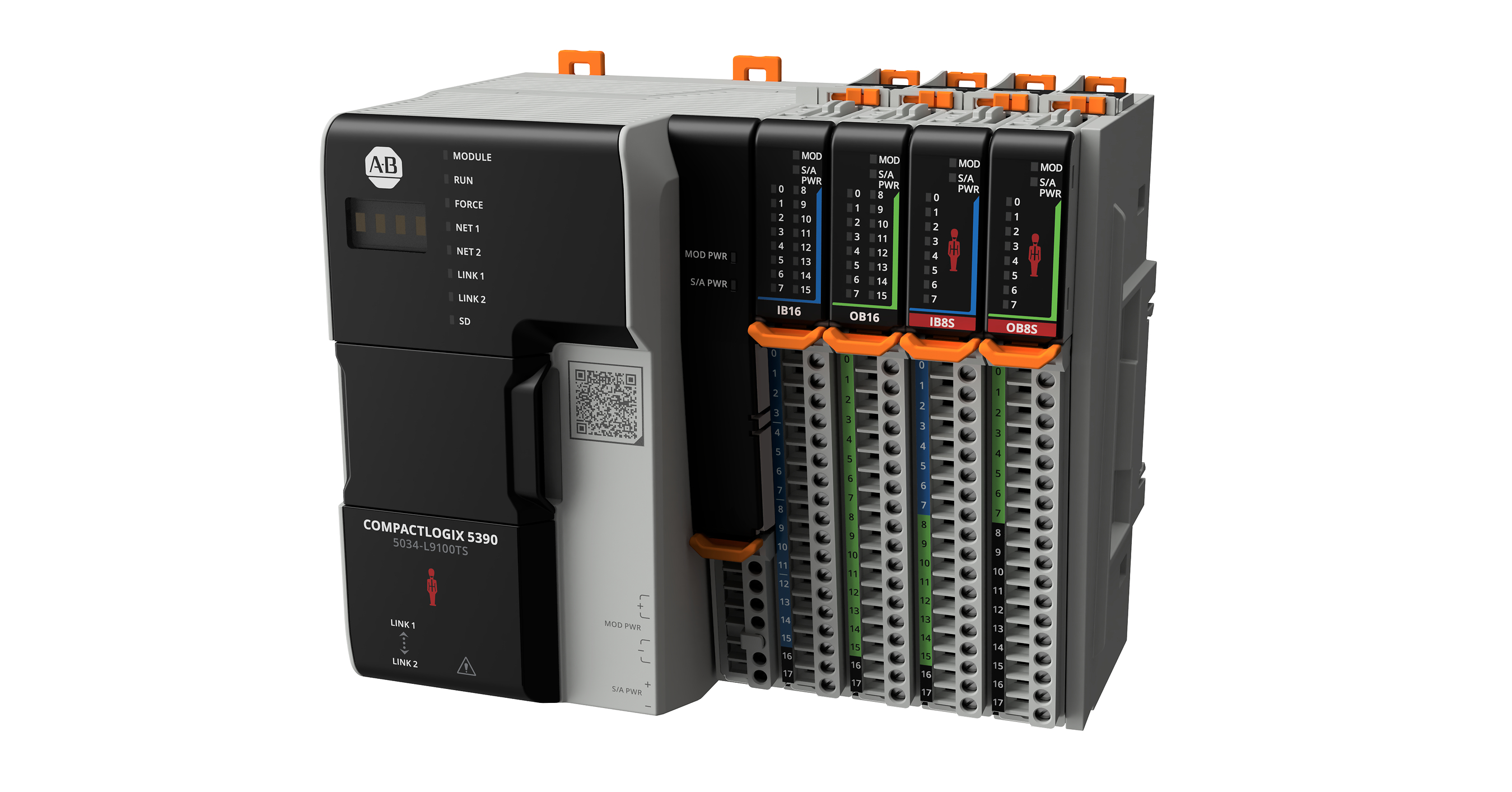
Rockwell Automation launched the CompactLogix 5390 controller, adding integrated safety and cybersecurity features aligned with IEC 62443-4-2 and compliant with the EU Cyber Resilience Act. It supports PointMax I/O and has a 43% smaller footprint than earlier CompactLogix 5380 controllers; the company says it can simplify machine design and support scalable automation. The announcement provides no sales outlook or financial figures.
Analysis
The investment case is incremental, not yet an earnings catalyst. The strategic value is the attempt to turn cybersecurity and functional-safety requirements into a reason for OEMs to standardize on Rockwell’s broader control-and-software ecosystem. If engineering reuse and simpler commissioning prove real, the payoff could extend beyond controller sales through higher attachment of Rockwell I/O, motion, drives, networking and software, and greater switching costs. The converse is that tighter ecosystem integration may not overcome OEM concerns about cost, interoperability or dependence on one vendor; Siemens, Schneider Electric, ABB and Mitsubishi Electric remain credible alternatives.
The stated 43% footprint reduction versus the prior 5380 is a design attribute, not evidence of lower total machine cost or superior economics. Some demand may be replacement within Rockwell’s own portfolio rather than incremental share, and launch claims provide no pricing, order, conversion or margin data. IEC 62443-4-2 alignment and support for EU Cyber Resilience Act needs are potentially useful procurement advantages, but should not be treated as proof of certification or guaranteed compliance for a complete machine.
Near term, likely limited fundamental impact absent evidence of meaningful shipments. Over 1–3 months, watch product availability, OEM design wins, customer conversion and management commentary on controls demand and software attachment. Over 6–18 months, successful standardization could support retention and cross-selling; slower adoption or price competition would dilute the benefit. The thesis weakens if customers favor competing platforms, rollout is delayed, or Rockwell’s controls growth and margins fail to reflect improved demand. No valuation or consensus data are supplied, so a directional earnings trade is not justified.
AllMind Terminal
AI-powered research, real-time alerts, and portfolio analytics for institutional investors.
Request TrialMarket Sentiment
Overall Sentiment
mildly positive
Sentiment Score
0.25
Ticker Sentiment
Key Decisions for Investors
- No trade on the launch alone; treat ROK as a watch item until adoption or incremental revenue is independently visible.
- Track quarterly controls orders/growth, product availability, OEM design wins, and whether Rockwell reports stronger attachment of I/O, motion, drives or software. These are the missing data needed to establish financial materiality.
- For a 1–3 month catalyst check, seek customer or channel evidence that cybersecurity and compact design are changing platform selection—not merely replacing older Rockwell controllers. Reassess if rollout slips or management commentary indicates weak conversion.
- For a 6–18 month thesis, consider adding ROK exposure only if cross-selling and retention improve without margin deterioration; falsify the thesis if controls performance or margins weaken despite the launch.
More News
- Why did investors react so negatively to Schneider-PTC deal? M&A expert weighs in
- US fines Bank of America $1.2bn for money laundering, sanctions violations
- South Korean carmaker Hyundai plans 'strategic' investment of $15.5 billion in India by 2032
- Applied Materials’ $5 billion AI lab aims to cut chip development time in half—and restore Silicon Valley’s edge
- Wells Fargo CFO on Earnings, Deals, Consumer Strength
- Bank of America hit with more than $1.2 billion in penalties over money-laundering violations