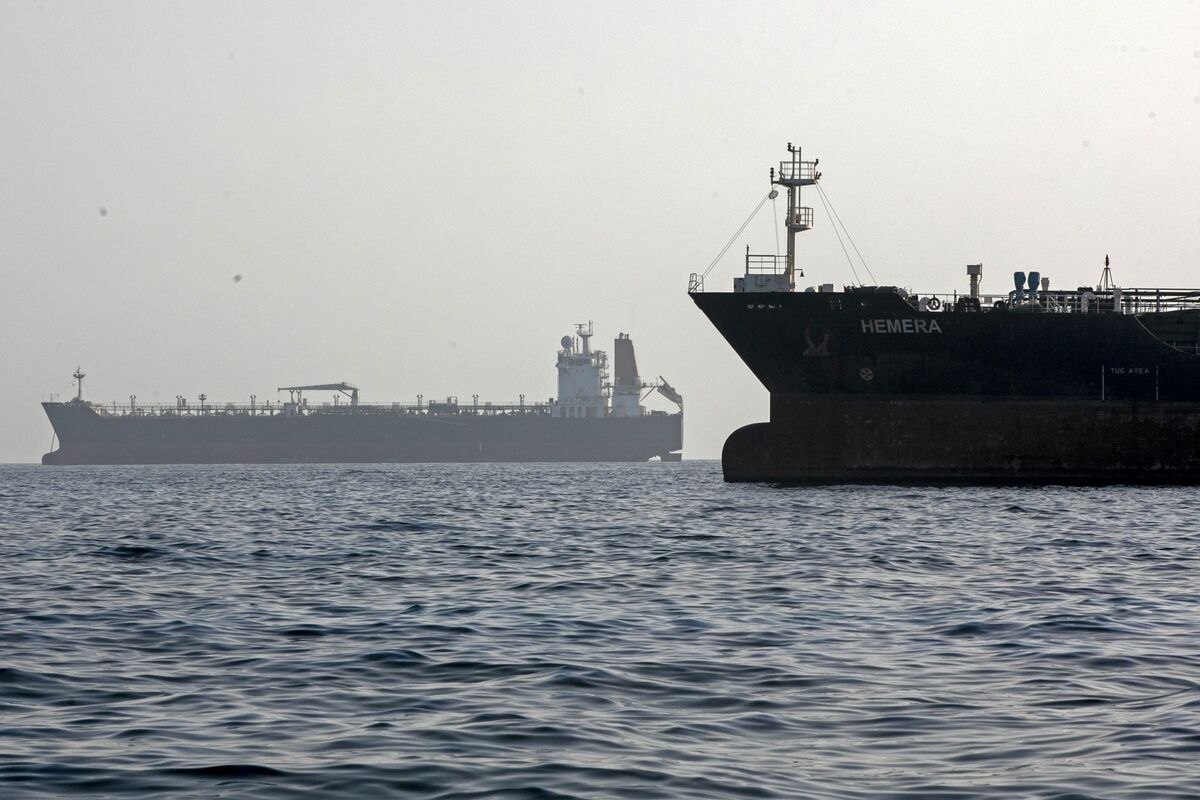
The piece frames a discussion around whether geopolitics materially affects investors, arguing that while tail risks are increasing, they are not the only driver of market outcomes. No specific economic data, policy action, or asset-price-moving event is disclosed in the provided text.
Geopolitical risk is less about a clean directional call and more about a volatility regime shift: it raises the odds of correlated selloffs, wider credit spreads, and commodity-specific dislocations. The first-order move is usually in energy and defense, but the second-order effect is a higher risk premium for firms with fragile supply chains, long inventory cycles, or cross-border revenue exposure; that tends to hit small caps and cyclicals harder than the headline indices.
The consensus error is to treat these events as binary and short-lived. In practice, even contained escalations can leave a lingering mark on shipping insurance, input costs, and capex plans, which supports firms with pricing power and domestic procurement exposure over the next 1-3 months. The more durable effect over 6-18 months is re-industrialization and defense budget persistence, not just a one-day oil move.
The market is usually weakest on convexity: tail risk is cheap until it isn't. If implied volatility is still subdued, the better expression is not an outright equity short but a defined-risk hedge or a relative-value pair against the most geopolitically sensitive factors. What would falsify the thesis is a rapid de-escalation, stable freight/energy prices, and a drift lower in implied vol after the next few catalysts.
AI-powered research, real-time alerts, and portfolio analytics for institutional investors.
Request TrialOverall Sentiment
neutral
Sentiment Score
0.00
