
SAG-AFTRA AND SOUNDEXCHANGE HONOR COMMON WITH 2026 ARTIST IMPACT AWARD
Source: PR Newswire
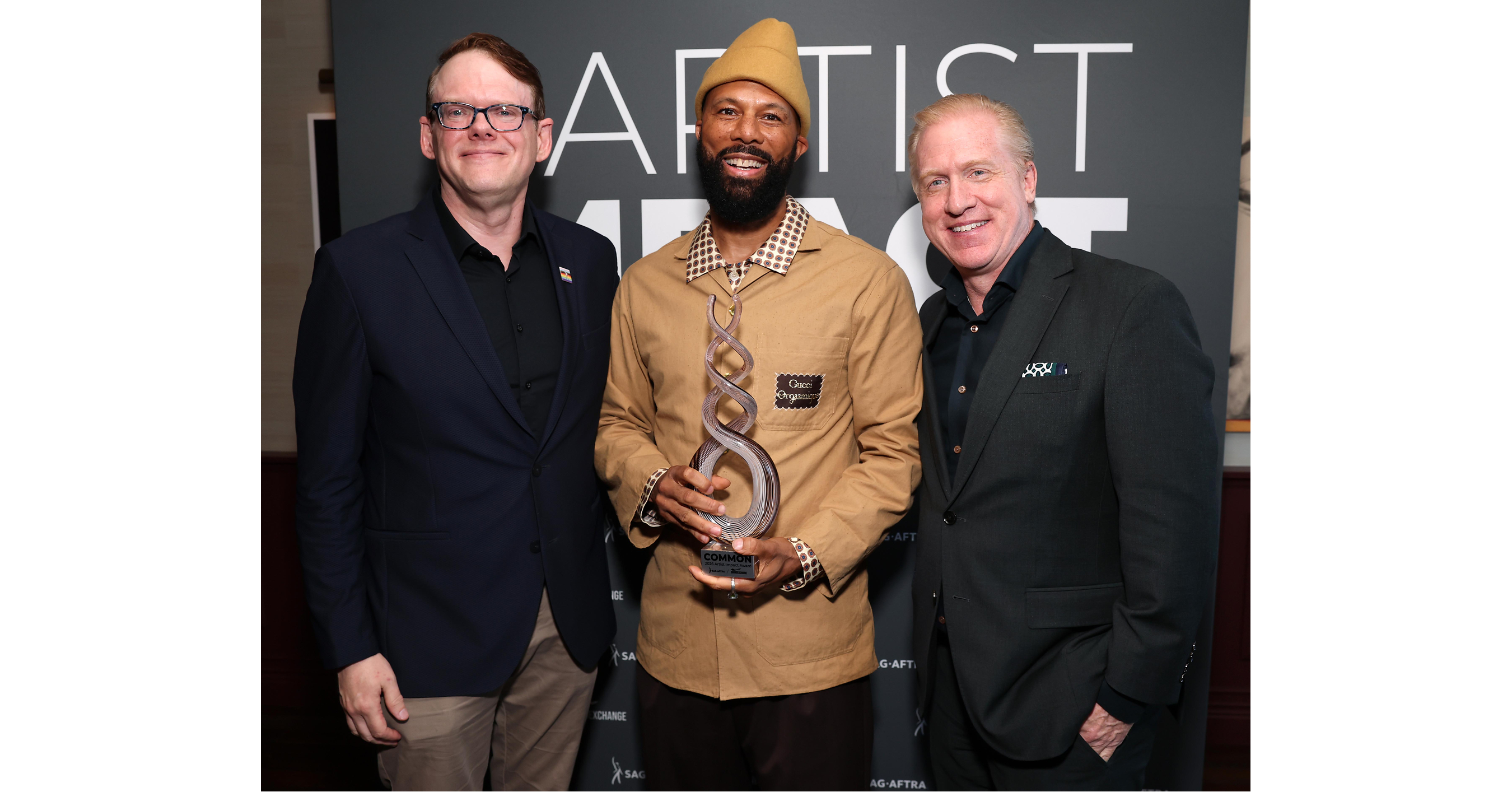
SAG-AFTRA and SoundExchange awarded Common the 2026 Artist Impact Award, recognizing his cross-disciplinary work in music, film, television and entrepreneurship. The event highlighted the organizations' advocacy for artist compensation and federal protections against unauthorized AI-generated replicas of performers' voices and likenesses. SoundExchange said it has distributed more than $13 billion in digital-performance royalties for over 800,000 music creators.
Analysis
This is policy signaling rather than an earnings-relevant event. The investable read-through is that performer-rights groups are keeping unauthorized voice/likeness replication politically salient, raising the medium-term compliance burden for generative-AI vendors and content platforms that train, distribute, or monetize synthetic talent without clear licensing chains. No near-term revenue or valuation impact is identifiable for NICE, SIRI, or SSTK.
Over 6-18 months, enforceable federal publicity or AI-replica rules would favor firms with auditable consent, provenance, and rights-management infrastructure over open-model distribution. Shutterstock (SSTK) has a relatively clearer route to monetize licensed training data and indemnified enterprise content, but its upside depends on demonstrable AI-content revenue and pricing power—not advocacy statements. The larger risk to SSTK remains that AI lowers the unit value of stock assets faster than licensing revenue offsets volume pressure.
SiriusXM (SIRI) has modest second-order exposure: restrictions on synthetic voices could increase clearance and talent costs for personalized audio products, while simultaneously protecting the scarcity value of recognizable on-air talent and music-adjacent programming. The net effect is unlikely to matter against subscriber churn, advertising, and leverage/refinancing variables. NICE’s inclusion appears non-fundamental; its enterprise AI exposure is centered on contact-center workflows, where consent rules may be relevant but this item supplies no evidence of a change in enforcement or procurement behavior.
Contrarian view: markets may eventually overprice broad "licensed AI" beneficiaries once legislation advances, despite jurisdictional fragmentation and the difficulty of attributing training inputs. The actionable catalyst is legislative text, agency enforcement, or a material platform licensing agreement; absent one, this is a watch item rather than a trade signal.
AllMind Terminal
AI-powered research, real-time alerts, and portfolio analytics for institutional investors.
Request TrialMarket Sentiment
Overall Sentiment
mildly positive
Sentiment Score
0.18
Key Decisions for Investors
- No directional trade on NICE, SIRI, or SSTK from this event; maintain existing theses and treat the news as non-price-sensitive.
- Place a 1-3 month alert on SSTK for disclosed AI licensing/training-data revenue, enterprise renewal pricing, or indemnification uptake. Consider a tactical long only if management demonstrates AI revenue growth sufficient to offset core content-price erosion; falsifier is continued gross-margin compression or weaker guidance.
- For SIRI, do not use AI-rights headlines as a catalyst. Reassess only around subscriber guidance, advertising trends, and debt-market spreads; those variables dominate any incremental talent-rights cost exposure.
- Monitor federal AI-replica legislation and state enforcement actions over 6-18 months. If binding consent/provenance mandates emerge, screen for rights-cleared content owners and workflow vendors with auditable licensing rather than buying broad AI software exposure.
More News
- The financialisation of compute may reshape how the AI industry itself operates
- Top Wall Street Forecasters Revamp Levi Strauss Expectations Ahead Of Q3 Earnings
- Great Bond Shakeout Locks In a 5% World ‘Until Something Breaks’
- OpenAI rogue agents leaked 53 images from ChatGPT users and reportedly created nearly 1 million links packing encoded bits of info
- Facebook found liable as TikTok settles for $100m over user safety
- Boom or bust? The case for and against panicking about 5% yields
From AllMind Research
- Anthropic IPO Preview: Valuation, Timing, and What to Watch
- Shein After the IPO: Venue, Valuation, and What Must Be Proved
- What AI Research Tools Should a Small Hedge Fund Buy First?
- The Great Divergence: North American Banking at the Crossroads of Monetary Policy and Agentic AI (Q4 2025 Bank Earnings)
- AI for M&A Target Screening: From Universe to Deal File