
Settling Workers' Compensation Claims Too Early in Georgia Explained in HelloNation Featuring Workers' Compensation Lawyer Barton Solomon
Source: PR Newswire
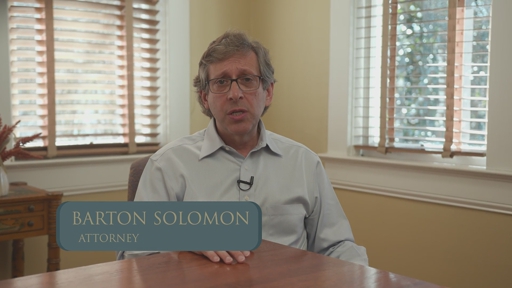
A HelloNation article featuring Georgia workers' compensation lawyer Barton Solomon warns that settling before maximum medical improvement (MMI) can leave injured employees responsible for future treatment costs and inadequately compensated for lost wages or permanent disability. It says Georgia settlements are generally binding once finalized and recommends assessing medical needs, lost earning capacity, and settlement terms before agreeing.
Analysis
This is educational/lead-generation content, not evidence of a change in Georgia claim behavior, settlement practice, or insurer loss trends. The investable mechanism is conditional: if more claimants delay settlement until medical outcomes are clearer, carriers could see longer claim duration and delayed file closure, with potential increases in legal expense or ultimate claim severity; conversely, better-informed claims may reduce premature settlements that later reopen into disputes. The net effect on workers’ compensation loss costs is ambiguous and likely immaterial absent a measurable shift in claim frequency, duration, or incurred-loss development. Any exposure would be diluted across diversified commercial P&C insurers, so there is no defensible issuer-level signal here. Immediate impact: negligible. Over 1–3 months, watch for broader evidence—Georgia claim-duration or settlement data, insurer commentary, or a relevant legislative/court change. Over 6–18 months, a sustained rise in case duration or reserve development could matter more than isolated legal-marketing content. Contrarian read: the piece frames delay as protective, but waiting can also prolong wage-replacement and treatment costs; it does not establish that later settlements lower total system costs. The thesis is falsified as a market concern if carrier disclosures show stable workers’ compensation reserve development and claim duration, or if no policy or behavioral change emerges.
AllMind Terminal
AI-powered research, real-time alerts, and portfolio analytics for institutional investors.
Request TrialMarket Sentiment
Overall Sentiment
neutral
Sentiment Score
-0.05
Key Decisions for Investors
- No trade on this item alone. The source provides no independently verifiable evidence of changed claim outcomes or insurer economics.
- Watch diversified commercial P&C insurers’ workers’ compensation loss-development, reserve commentary, and claim-duration disclosures over the next 1–3 months; escalate only if several carriers report a consistent deterioration.
- Do not use a broad insurance ETF as a proxy trade absent confirmation: workers’ compensation exposure is diluted, and the article identifies no affected public company.
- Reassess over 6–18 months if Georgia legal or regulatory changes, or measurable settlement-duration trends, indicate a durable shift in claim costs; stable development would invalidate the concern.
More News
- Before Tera’s 95% Crash, Punches Were Thrown and Warnings Missed
- Why is Intuitive Surgical stock sliding today?
- 'Cannot play hide and seek': Singapore minister's warning over haze sends agricultural stocks lower
- US food importer sues Trump over 50 percent tariffs on Canadian goods
- Kroger and Albertsons: the food fight every dealmaker should be watching
- CNBC Daily Open: The Musk universe is planning its latest crossover