
SAMDUO accompagne la prochaine étape de l'électrification en Europe, qui concerne le secteur résidentiel
Source: PR Newswire
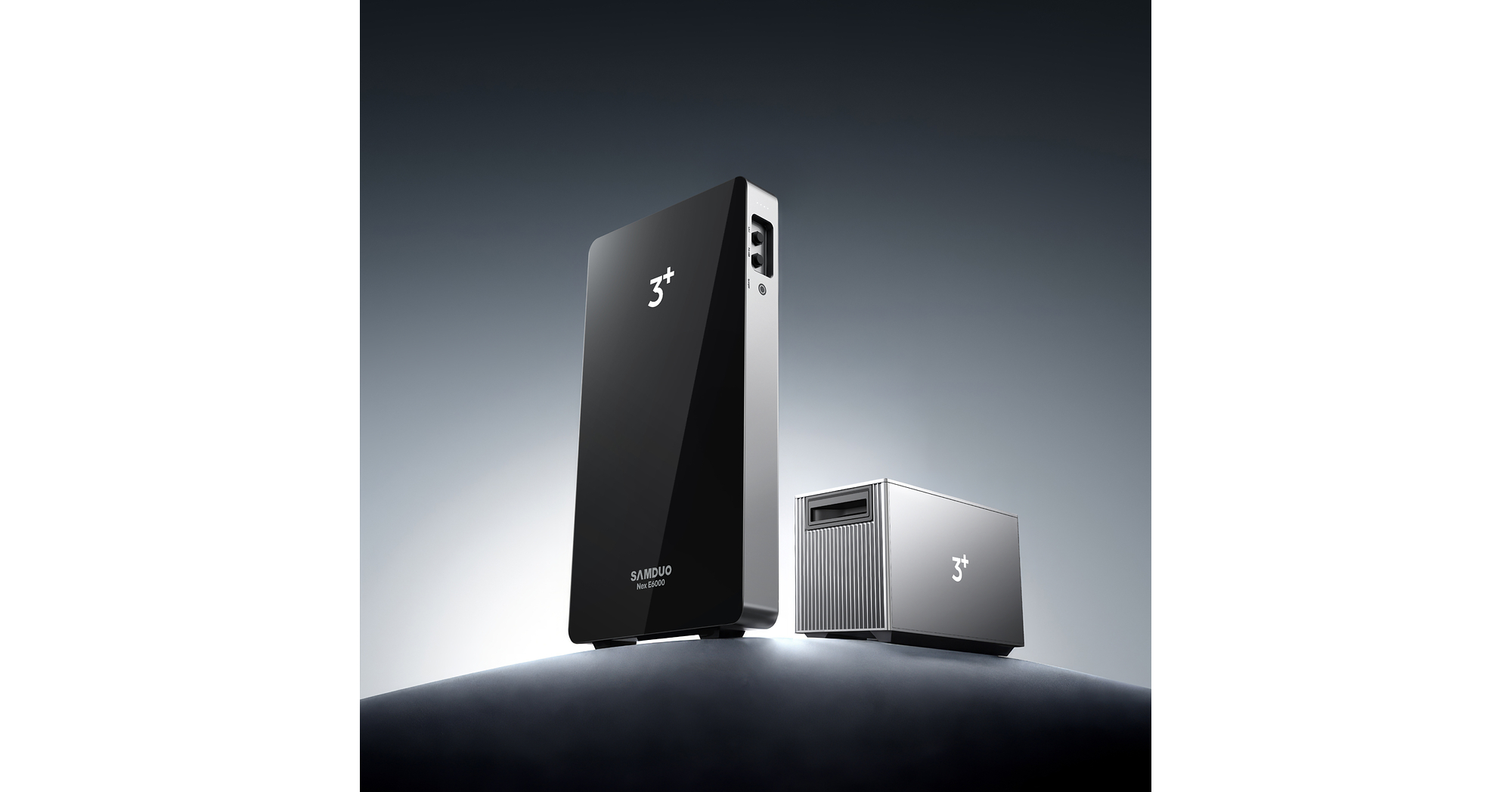
SAMDUO is expanding its Nex E-Series residential energy-storage systems, including the Nex E6000 and E6000H, across priority European markets including the Netherlands, Germany and France, while strengthening its UK presence. The systems combine scalable battery storage with intelligent energy management that responds to electricity tariffs, solar-generation forecasts, household consumption patterns and battery status. The announcement highlights growing residential electrification demand but provides no sales, capacity, pricing or financial targets.
Analysis
This is promotional rather than independently validated demand evidence, so it does not alter earnings estimates for listed European energy-storage exposures. The investable implication is the broader shift from hardware-only residential solar economics toward software-controlled load shifting: value accrues to platforms that can aggregate flexible household batteries, EV chargers and heat pumps into grid services, not necessarily to small battery brands facing commoditized cells and installer-channel pressure.
Near term (days to 1-3 months), household-storage equities remain more sensitive to European power-price volatility, rooftop-solar installation data and subsidy/net-metering changes than to product announcements. Germany and the Netherlands are the key read-through markets: declining export compensation increases battery attachment rates, but weak day-ahead price spreads or higher financing costs can quickly impair payback periods. Enphase (ENPH), SolarEdge (SEDG) and Tesla (TSLA) have differentiated ecosystem exposure; CATL (300750 CH) and LG Energy Solution (373220 KS) capture volume but have less direct upside from energy-management software.
Over 6-18 months, residential flexibility could become a meaningful competitive issue for European utilities. Utilities with customer access and virtual-power-plant capabilities—E.ON (EOAN GR), Octopus Energy is private—can monetize flexibility and reduce churn, while pure retail suppliers without distributed-energy offerings risk margin pressure as customers self-consume more and arbitrage tariffs. The contrarian view is that interoperability fragments monetization: inverter, battery, charger and utility APIs remain siloed, limiting the premium consumers will pay for "smart" management versus lower-cost storage.
The thesis is falsified if German/Dutch battery attachment rates fail to improve despite lower export tariffs, or if regulatory changes preserve retail price spreads without allowing household assets to participate in balancing markets. Watch EU battery-import pricing, residential-installation data, and utility tariff reforms rather than treating vendor expansion claims as a demand signal.
AllMind Terminal
AI-powered research, real-time alerts, and portfolio analytics for institutional investors.
Request TrialMarket Sentiment
Overall Sentiment
mildly positive
Sentiment Score
0.28
Key Decisions for Investors
- No standalone trade on SAMDUO; set a watch alert for German and Dutch residential-storage attachment-rate data and net-metering reforms over the next 1-3 months before assigning sector demand upside.
- Prefer a 6-12 month long ENPH / short SEDG relative position only after confirmation of improving European channel inventory: ENPH has stronger software/ecosystem optionality, while both remain exposed to weak installer demand. Exit if ENPH European revenue guidance deteriorates or SEDG inventory days re-expand.
- For European utility exposure, screen EOAN GR versus more commodity-like retail peers for 6-18 month distributed-energy upside; require evidence of regulated flexibility-market access and disclosed customer-acquisition economics before initiating.
- Avoid extrapolating residential-storage growth into broad battery-cell longs. Use CATL or LG Energy Solution only if power-price spreads and installation volumes confirm volume growth; otherwise cell oversupply and price competition can offset unit demand gains.
More News
- What next for France as riots rattle markets? Three questions facing investors ahead of more protests
- AI Doubts Spread Cracks in Equities, Credit Markets: Evening Briefing Americas
- Stocks Fall as Oil Rally Keeps a Lid on Treasuries
- Energy markets are adapting to the Iran war as a ‘forever conflict’ while oil producers keep supplies flowing and avoid ‘mutually assured destruction’
- Looters hit 3,000 French businesses. Within hours, the haul was trending on Vinted under the riot’s date
- Kinder Morgan, Energy Transfer and Williams could benefit from cheap natural gas
From AllMind Research
- Anthropic IPO Preview: Valuation, Timing, and What to Watch
- Shein After the IPO: Venue, Valuation, and What Must Be Proved
- What AI Research Tools Should a Small Hedge Fund Buy First?
- Can Hedge Funds Use ChatGPT? A Control Framework
- Palantir (PLTR) Q4 2025 Earnings: 70% Revenue Growth, Then an 11% Single-Day Crash