
Dress for Success Arizona Receives $400,000 Grant from The Bob & Renee Parsons Foundation to Expand EducateHER Program
Source: PRWeb
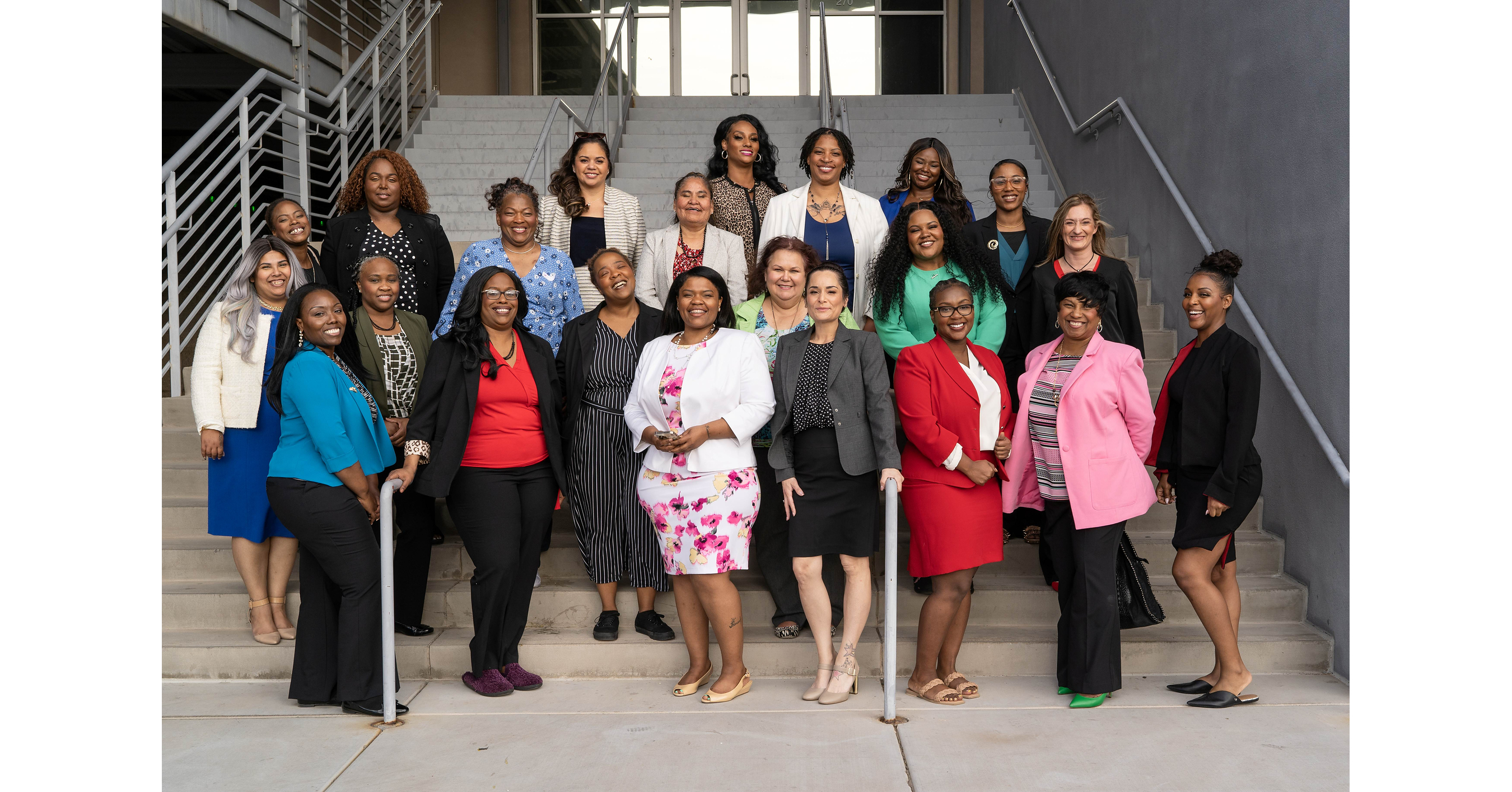
The Bob & Renee Parsons Foundation awarded Dress for Success Arizona a $400,000, two-year grant—the largest funding commitment in EducateHER’s history. The program will expand tuition scholarships and support for childcare, transportation, technology and emergency expenses, helping more women, especially single mothers, complete career certificates and pursue sustainable-wage jobs.
Analysis
This is a local workforce-capacity signal, not a material listed-company catalyst. The grant may ease practical barriers to training and improve completion odds, but the funding is too small and geographically narrow to support a near-term change in Arizona labor supply, wage trends, or public-company earnings. Any beneficiaries—regional employers hiring certificate holders, or education and childcare providers—are diffuse and the program’s placement, completion, and wage outcomes are not yet established.
The more relevant second-order question is whether philanthropy-funded wraparound support complements public workforce programs or merely fills gaps that state and federal funding would otherwise cover. If completion and job-placement data are strong, the model could support incremental employer labor availability over a multi-year horizon; it would not by itself justify a broad education-sector or Arizona exposure. The press release’s impact claims should be treated as hypotheses until cohort-level outcomes are reported.
Near term, no identifiable earnings catalyst or public-market trade follows. Over 1–3 months, monitor whether additional funders or institutions replicate the model. Over 6–18 months, the investable signal would require independently verifiable credential completion, placement into in-demand roles, retention, and wage gains. The thesis weakens if enrollment expands without comparable completion and placement, or if employers do not recognize the credentials.
AllMind Terminal
AI-powered research, real-time alerts, and portfolio analytics for institutional investors.
Request TrialMarket Sentiment
Overall Sentiment
mildly positive
Sentiment Score
0.20
Key Decisions for Investors
- No direct trade: the grant is philanthropic, local, and not tied to a mapped public company; avoid extrapolating it into a broad Arizona, education, or labor-market position.
- Set an alert for published cohort data on enrollment, credential completion, job placement, retention, and post-program wages; distinguish outcomes from program participation counts.
- If results are independently verified and replicated, reassess regional employers facing persistent skilled-labor shortages as potential beneficiaries; do not assume a meaningful margin or hiring effect without employer-level evidence.
- Falsification/watch item: expansion in enrollment without improved completion or placement, or evidence that credentials do not translate into sustained-wage employment, would undermine the proposed labor-supply benefit.
More News
- The world needs Ukraine’s grain. Its farmers are running out of reasons to plant
- Israel’s economy prospers despite years of war, but prices worry voters
- French yields are near levels not seen since 2002. Why that could give U.S. Treasurys a boost
- Why is the Chinese stock market missing the AI rally
- Taiwan president says defence spending boost aims to ‘deter war’
- What's behind the recovery rally in tech stocks — plus, Elon Musk's very good week
From AllMind Research
- Anthropic IPO Preview: Valuation, Timing, and What to Watch
- Shein After the IPO: Venue, Valuation, and What Must Be Proved
- What AI Research Tools Should a Small Hedge Fund Buy First?
- Capital IQ Alternatives for Research and Deal Work
- Research Workflows, Report Format Selection, and Interactive Synthesis