
A New Distressed-Debt Club Gives Litigious Creditors an Edge
Source: Bloomberg
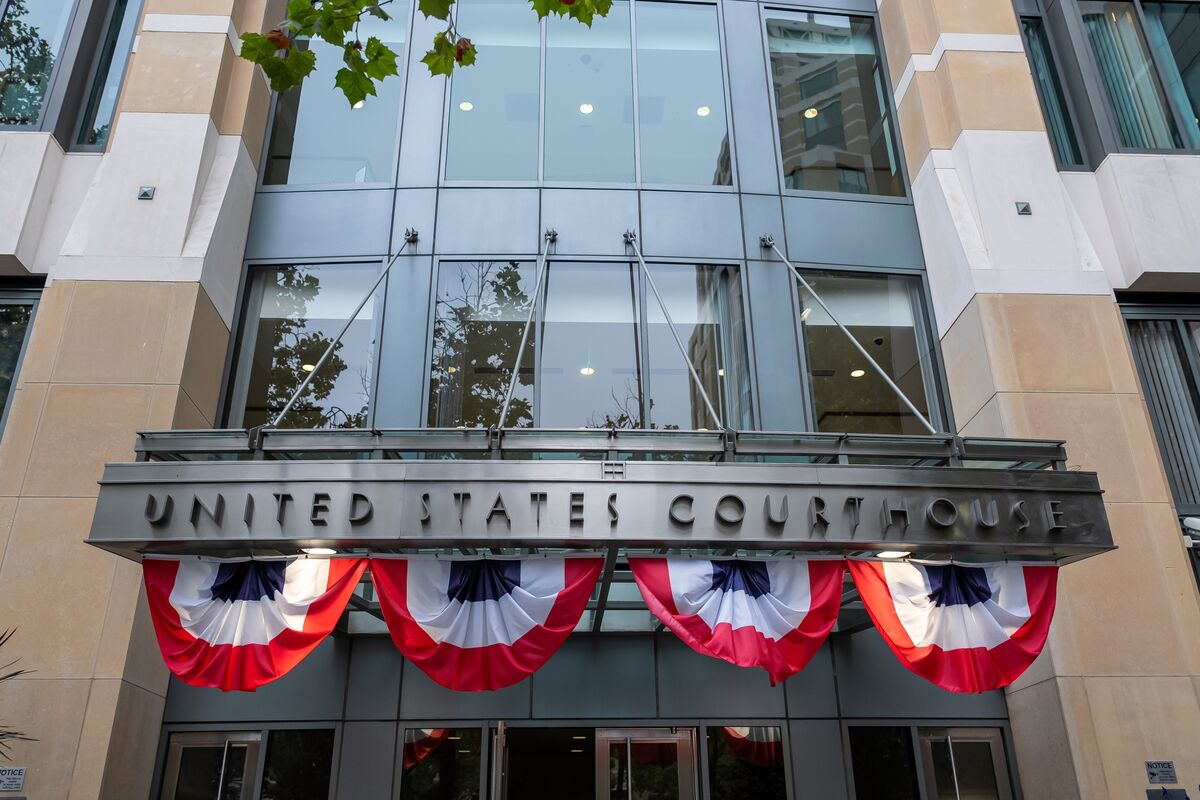
A group of Altice International lenders has formed a litigation committee ahead of formal restructuring negotiations, seeking preferential treatment in exchange for assuming the risk of taking the telecom company to court. The development highlights an increasingly aggressive distressed-debt playbook in which creditors prepared to litigate may gain an advantage over other lenders, potentially complicating restructurings and recoveries.
Analysis
The emergence of pre-negotiation litigation blocs increases recovery dispersion within the same capital structure and raises the effective cost of distressed refinancing. The second-order effect is not simply higher legal expense: issuers facing an organized holdout group may lose the ability to execute fast exchange offers, priming transactions or maturity extensions, which can turn a liquidity issue into a filing. This favors funds with scale, documentation expertise and litigation budgets, while smaller creditors may accept discounted cash-outs rather than fund a protracted process.
For public equities, the read-through is selectively negative for highly levered, sponsor-owned issuers with opaque restricted-payment baskets, valuable non-guarantor subsidiaries, or near-term maturities; their debt should carry a larger restructuring-time premium over the next 6-18 months. WEN's relevant exposure is indirect: a franchisee failure can create localized royalty, rent-guarantee and development-pipeline friction, but it is not evidence of a corporate balance-sheet problem absent a measurable rise in closures, refranchising costs or bad-debt reserves. The near-term equity reaction should therefore be limited unless management discloses material franchisee concentration or cuts unit-growth guidance.
Consensus may underprice the feedback loop between aggressive creditor tactics and issuer behavior. Sponsors and management teams are likely to respond by moving earlier to liability-management transactions, increasing the value of covenant analysis but also making legacy unsecured claims less predictable. The thesis is falsified if courts begin consistently limiting preferential participation rights or if refinancing markets reopen sufficiently to allow issuers to repay rather than restructure contested debt.
AllMind Terminal
AI-powered research, real-time alerts, and portfolio analytics for institutional investors.
Request TrialMarket Sentiment
Overall Sentiment
mildly negative
Sentiment Score
-0.30
Ticker Sentiment
Key Decisions for Investors
- Do not initiate a directional WEN position on this information alone; set an alert for quarterly disclosure of franchisee closures, development commitments, royalty receivables and refranchising charges. A guidance reduction tied to franchisee health would justify reassessing a 3-6 month WEN short.
- Screen US high-yield issuers with 2026-27 maturities, sponsor ownership and structurally senior unrestricted subsidiaries; favor long protection or underweight positions where bond documentation permits asset transfers or priming debt. Target 6-12 month catalysts around refinancing attempts and liability-management announcements.
- For distressed-credit books, prioritize positions where the fund can join coordinated creditor groups and where covenant protections are independently verified; avoid small, passive holdings in contested capital structures because litigation-funded preferential treatment can impair recoveries even when aggregate enterprise value is unchanged.
- Use any broad tightening in CDX HY as an entry window for selective protection on weak-documentation credits rather than as a blanket macro short. The risk is a sustained refinancing-market reopening, evidenced by successful unsecured issuance and declining new-issue concessions.
More News
- The SaaS debt trap
- DraftKings CEO doesn’t know why his stock loves bad prediction market news. Wall Street says it’s rational
- Top Cyber Stocks as AI Safety Concerns Drive Security Demand
- Dozens of people sue GLP-1 drug companies over alleged vision loss
- Protests for Germany’s car industry as job losses loom
- We're protecting big profits in tech, and buying more non-tech in this oversold market