
Irgang Group Announces New Leases for Retail Properties in Arizona, North Carolina, Georgia and New Jersey, as well as Update on Mixed-Use Building in New York
Source: PR Newswire
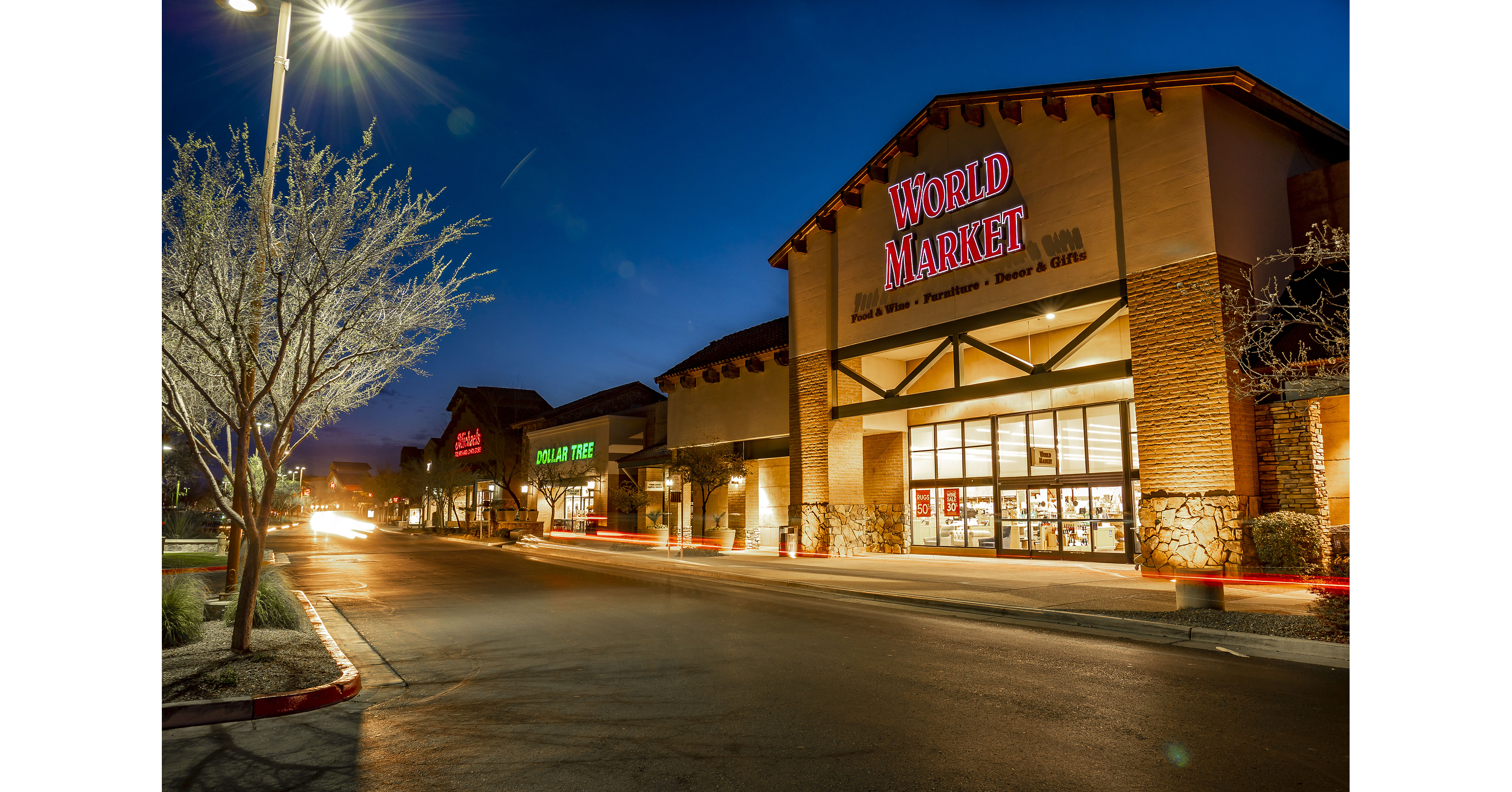
Irgang Group announced retail leasing activity that brings Gilbert Gateway Towne Center in metro Phoenix, Poplin Place near Charlotte, and Union Lake Crossing in New Jersey to 100% occupancy or near-full occupancy. New and expanded tenants include Paris Baguette, Nothing Bundt Cakes, Ulta Beauty, Kroger, Inspira Health, Rainbow Shops and Dave's Hot Chicken, with several openings expected in late 2026 or Q1 2027. The company also reported advancing restaurant lease discussions at its 174,000-square-foot Harlem mixed-use tower, while Bronx development work continues on a project with 292 affordable apartments and about 28,000 square feet of commercial space.
Analysis
This is a local leasing datapoint, not an earnings catalyst for the listed tenants. The more useful read-through is that necessity-led and value-oriented retail formats continue to absorb legacy soft-goods and discretionary vacancies, supporting shopping-center traffic and landlord negotiating leverage in suburban Sunbelt markets. That backdrop favors traffic beneficiaries such as KR, TGT, ROST and BURL more than mall-dependent apparel concepts, but the leased square footage is immaterial to their consolidated revenue.
ULTA's placement alongside off-price and mass-market anchors reinforces its lower-risk unit-growth model: new stores can leverage pre-existing trip frequency rather than create destination traffic. The relevant 1-3 month catalyst is whether ULTA's next earnings call raises net-store openings or reiterates sales productivity despite a more promotional beauty environment; one store does not change estimates, but a sustained pipeline into power centers could protect its long-duration unit count and lease economics.
The negative second-order signal is for CATO and other weaker apparel tenants: replacement demand is increasingly coming from food, healthcare and services rather than apparel retail, limiting the value of their former boxes and underscoring structurally weaker landlord/tenant bargaining power. Kroger's renewal plus fuel investment is modestly supportive of its defensive traffic moat, though fuel-margin volatility means this should not be extrapolated into a material EPS revision. No broad retail trade is warranted from a promotional press release absent rent data, tenant sales productivity, or evidence that these openings displace competing locations.
AllMind Terminal
AI-powered research, real-time alerts, and portfolio analytics for institutional investors.
Request TrialMarket Sentiment
Overall Sentiment
mildly positive
Sentiment Score
0.38
Ticker Sentiment
Key Decisions for Investors
- Maintain ULTA as a watch-list long rather than trade on this item; add only if the next earnings release confirms comparable-sales resilience and unit-growth guidance, with a 6-12 month thesis tied to store productivity rather than incremental openings.
- Favor a 6-18 month long ROST or BURL versus short CATO basket exposure where available: retail real estate is being reallocated away from weaker apparel toward value, services and food. Falsify if off-price comparable sales weaken materially or CATO demonstrates sustained positive comp growth and store-level margin recovery.
- Keep KR as a defensive consumer-staples holding, not a new catalyst-driven position. Reassess if identical-sales trends excluding fuel decelerate or gross-margin pressure from price investment offsets traffic gains over the next two earnings reports.
- Do not infer a tradable signal for TGT, KSS, DLTR, BOOT, HUM or AAPL; the disclosed locations and lease activity are too small relative to enterprise scale, and the private landlord provides no direct public-market vehicle.
More News
- Apple brings touch to the Mac, reversing years-old stance on touchscreen laptop
- The 2,000-Nit OLED in Apple’s New MacBook Is a Big Deal
- The Inside Story of Why Apple Finally Brought a Touch Display to the Mac
- FTC demands Walmart, Uber, Delta and others hand over data on personalized pricing: Reuters
- Apple’s new touchscreen MacBook Pros may be late, but they have one big advantage
- Amazon Adds an Alexa Photo Frame and a Bedside Clock to Its Echo Family