
XD THERMAL desarrolla arquitectura de refrigeración integrada para plataforma europea de autobuses eléctricos
Source: PR Newswire
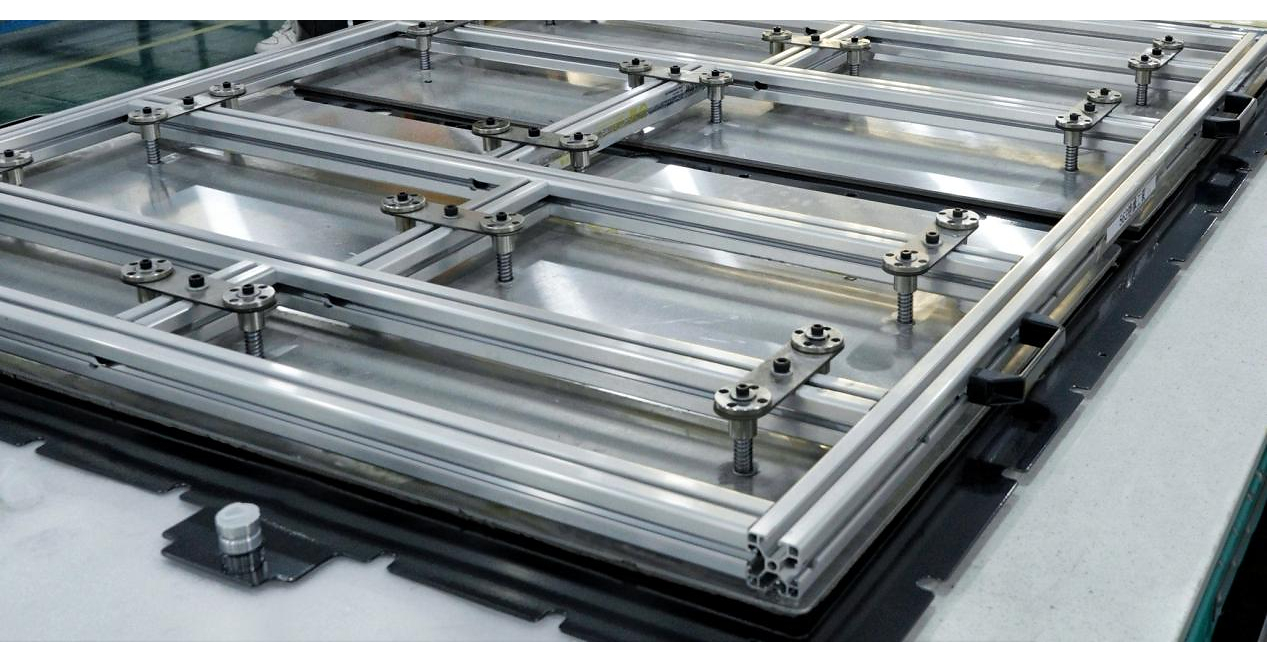
XD THERMAL completó el desarrollo de una arquitectura integrada de refrigeración líquida de doble cara para una plataforma europea de autobuses eléctricos, para módulos de batería de 35,3 kWh. El prototipo se entregó en ~6 semanas y el diseño alcanzó fase de producción en ~2 meses; la integración en la carcasa redujo componentes de refrigeración en ~25% y simplificó el ensamblaje. La validación del sellado a nivel de sistema y el proceso de recubrimiento multifuncional se verificaron con pruebas escalonadas de fugas de aire/helio para apoyar la transición de prototipo a producción en volumen.
Analysis
This reads less like a demand catalyst and more like a proof point that thermal management is moving from a component purchase to a system-level design moat. The economic lever is not the battery itself but the ability to reduce parts count, assembly touches, and warranty exposure; that should favor suppliers that can own sealing, coating, and validation as a package, while pressuring standalone cold-plate and bracket content over time. For public markets, the immediate impact is muted, but the structural implication is higher content capture per platform for the handful of vendors that can industrialize this reliably.
The second-order effect is on operating leverage: if the architecture really scales across multiple vehicle sizes, the winner is whoever can amortize testing, tooling, and process control across programs. That is why commercial-vehicle thermal names with manufacturing depth could see margin expansion even if unit volumes stay modest; the flip side is that low-volume bus programs may not move consolidated financials for large OEMs much at all. The bigger upside likely sits in heavy-duty trucks and fleet electrification, where thermal durability directly affects uptime and residual value.
Contrarianly, the market may be overestimating the ease of translating a prototype win into factory yield. Integrated cooling raises hidden risks in coating uniformity, seal integrity, and field failure rates; if any of those slip, warranty reserves can overwhelm the BOM savings. The cleanest falsifier is a delay in production validation or evidence that the design needs rework after pilot builds, which would turn this into a prototype story rather than a scalable margin story.
AllMind Terminal
AI-powered research, real-time alerts, and portfolio analytics for institutional investors.
Request TrialMarket Sentiment
Overall Sentiment
mildly positive
Sentiment Score
0.25
Key Decisions for Investors
- Small starter long MOD on any pullback; 6-12 month horizon. Thesis: commercial-vehicle thermal content and system integration can expand gross margin if this trend shows up in backlog and production mix. Falsify if EV/thermal revenue growth stalls for two straight quarters.
- No immediate trade in European bus OEMs (VLVLY, DTRUY) on this headline alone; use them only as watchlist names into IAA Transportation and next order-cycle updates. This is an enabling-tech signal, not demand proof.
- Set an alert on IAA partnership announcements and pilot-to-series conversion metrics for thermal-management suppliers. If follow-on awards do not appear within 1-3 months, treat the move as prototype noise and fade any momentum in the supplier group.
- If you want a relative-value expression, prefer long thermal-management content leaders over broad auto suppliers with limited EV thermal exposure. The edge is in platform integration, not vehicle assembly beta.
More News
- One Singapore ship was sunk, but here's why others are still transiting the Strait of Hormuz
- Order to limit Starshield for Ukraine came from inside White House: Reuters reports
- EU Seeks New Trade Powers to Cut Trade Deficit
- The IPO drought is driving private equity-owned companies to the debt market to pay investors
- CoreWeave credit default swaps hit distress levels as investors sour on AI debt
- FDA approves Enspryng for thyroid eye disease treatment
From AllMind Research
- Anthropic IPO Preview: Valuation, Timing, and What to Watch
- Shein After the IPO: Venue, Valuation, and What Must Be Proved
- What AI Research Tools Should a Small Hedge Fund Buy First?
- Can ChatGPT or Claude Replace a Research Platform?
- How the 2026 Milan-Cortina Winter Olympics Will Reshape Company Revenues and Stock Performance