
UT MD Anderson and P-Cure collaborate to advance first compact upright dual-modality proton and helium ion therapy platform
Source: PRWeb
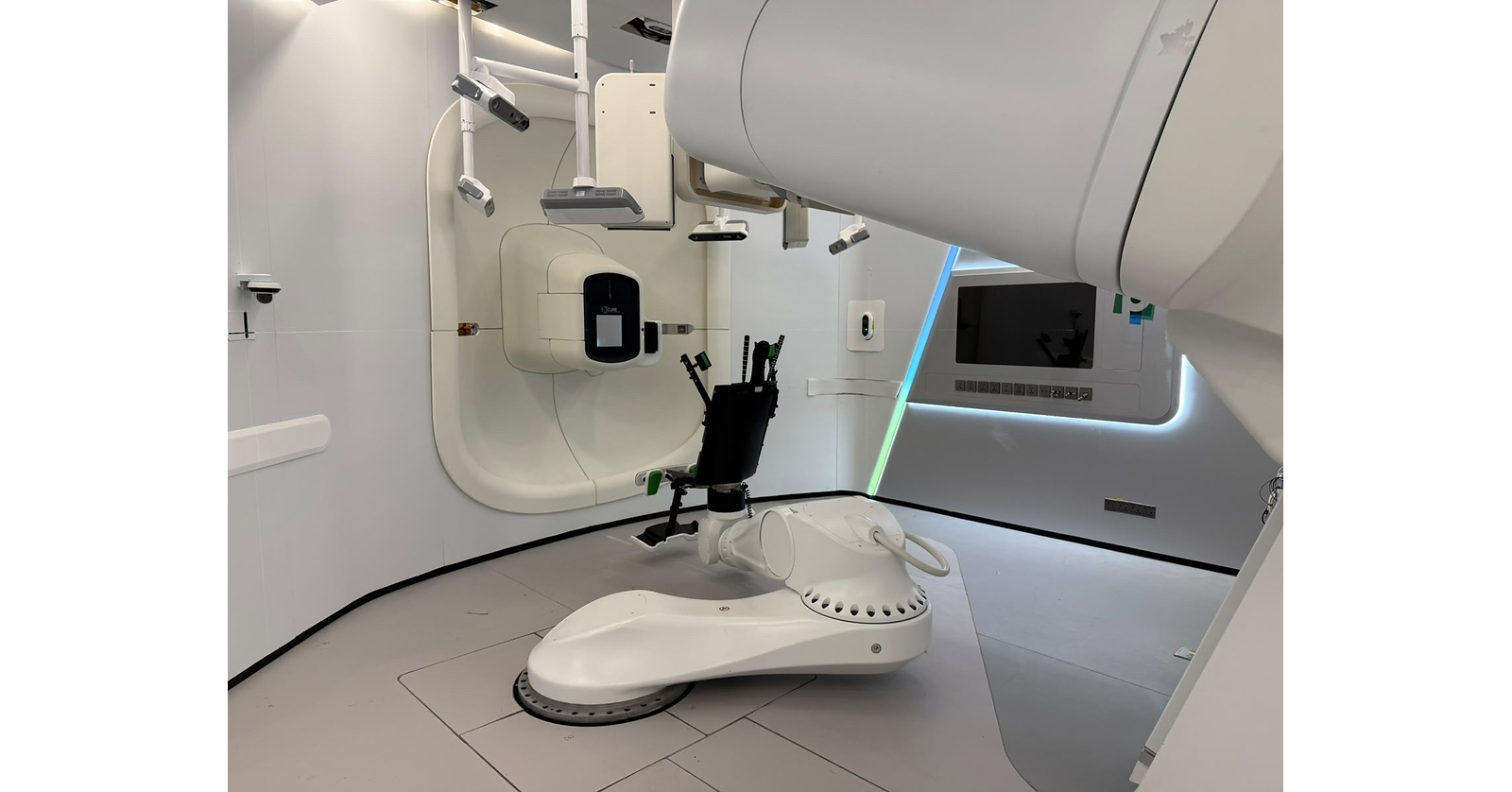
UT MD Anderson and P-Cure formed an alliance to evaluate P-Cure’s FDA-cleared compact proton therapy system and investigate helium ion therapy through preclinical and clinical research. Their long-term goal is a compact upright platform that delivers either proton or helium ions; helium therapy’s clinical value and adoption remain to be established. UT MD Anderson may receive payments tied to clinical milestones and commercial sales.
Analysis
The investable signal is not helium therapy today; it is whether a compact upright architecture can make proton treatment economics workable at hospitals that cannot support conventional facilities. If independently validated, that could expand the addressable market rather than simply take share from existing proton centers—but it could also pressure incumbent vendors’ pricing and weaken the case for large-footprint systems. Potential competitors include IBA, Varian, Hitachi and Mevion; the article provides no comparative cost, throughput or clinical data to establish a winner.
The timeline is long: initial proton utility and operational evaluation may inform adoption over the next 1–3 months only if concrete study details or customer commitments emerge; helium remains preclinical-to-future-clinical, with regulatory and reimbursement hurdles implying a multi-year path. The MD Anderson institutional conflict is disclosed and managed, but reinforces the need to distinguish collaboration from independent proof. The claim of a first North American helium system is conditional, not evidence of clinical readiness.
There is no direct listed-equity exposure identified: P-Cure is private and MD Anderson is not a public-market security. Accordingly, the announcement alone does not support a sector trade. The contrarian point is that investors may overvalue the helium option while undervaluing the nearer-term commercial test: installed-system cost, treatment throughput, clinical outcomes and reimbursement. Failure to show advantages on those measures would leave the platform competing on novelty rather than durable economics.
AllMind Terminal
AI-powered research, real-time alerts, and portfolio analytics for institutional investors.
Request TrialMarket Sentiment
Overall Sentiment
mildly positive
Sentiment Score
0.30
Key Decisions for Investors
- No immediate trade: neither named party offers direct public-equity exposure, and the release supplies no independently verified financial or clinical outcome data.
- Set an alert for measurable proton-platform evidence: named customer installations, capital and operating-cost comparisons, patient throughput, utilization, and peer-reviewed clinical or operational results. Reassess competing equipment vendors only when these data are available.
- Treat helium as a long-dated option, not a near-term revenue catalyst. Upgrade the thesis only on disclosed preclinical results followed by a defined clinical protocol, regulatory pathway, and credible reimbursement evidence.
- Falsification/watch items: study results fail to demonstrate clinical or workflow advantage; no commercial deployments follow validation; or reimbursement and facility economics prevent adoption. In that case, the compact-platform disruption thesis weakens.
More News
- Binance CFO exits days after catastrophic $6 billion crypto hack
- Decisive election. Dramatic stock swings. How we handled the market last week
- Berkshire Hathaway more than doubles buybacks in third quarter as earnings decline
- Berkshire shares surge as Wall Street swoons amid AI fears
- Paraguay’s ousted president charged over banking scandal
- CoreWeave seeks truce with Texas Governor-elect Hinojosa