
TSMC: Irrational Fears Don't Make Much Sense
Source: seekingalpha.com
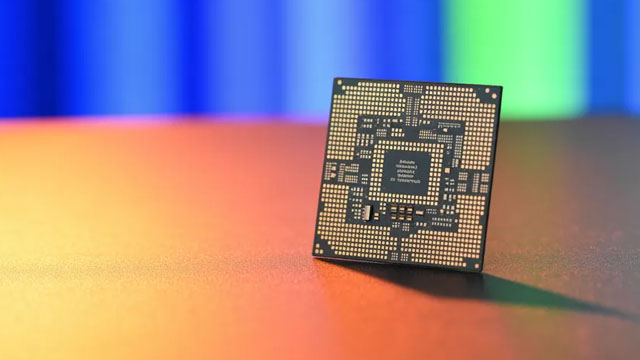
TSMC guided to 2026 capital expenditure of $60–$64 billion, aligned with hyperscaler demand and the AI-driven investment surge. Despite heightened scrutiny of its dominant AI-foundry position and a 17x earnings multiple, the article cites backlog, pricing power and margin levers as support for a robust long-term outlook.
Analysis
The key question is conversion, not demand: large commitments only create equity value if advanced-node utilization and pricing absorb the associated depreciation and ramp costs. That leaves room for earnings to lag revenue even while AI demand remains strong. Hyperscalers’ returns on AI spending are a second-order risk: weaker monetization could delay or resize orders, while TSMC’s concentrated role in leading-edge supply makes any customer digestion disproportionately consequential. Samsung Electronics and Intel could gain strategic value if customers prioritize supply diversification, though qualification and execution—not announcements—would determine whether that pressures TSMC’s pricing.
Near term, sentiment can stay supported by demand and guidance, but the 1–3 month test is management commentary on utilization, margins, and customer order visibility. Over 6–18 months, the upside case requires incremental capacity to earn attractive returns; the downside is capital intensity outpacing profitable demand. Taiwan geopolitical disruption is a low-frequency, high-severity risk that valuation alone cannot offset. The apparent valuation discount may be underpricing durability, or may simply reflect the market demanding proof that growth converts into returns. Verify the basis and period for the cited earnings multiple before treating it as a reliable valuation anchor.
AllMind Terminal
AI-powered research, real-time alerts, and portfolio analytics for institutional investors.
Request TrialMarket Sentiment
Overall Sentiment
mildly positive
Sentiment Score
0.35
Ticker Sentiment
Key Decisions for Investors
- Consider a staged, unlevered long in TSM on broad semiconductor weakness rather than chasing a demand-driven rally; add only if earnings updates confirm advanced-node utilization and margin resilience. The payoff is exposure to sustained leading-edge demand; the principal risk is capex and depreciation rising faster than profitable output.
- For the next 1–3 months, track quarterly gross-margin guidance, advanced-node utilization or ramp commentary, customer order revisions, and evidence of AI spending monetization. Strong demand without margin follow-through is not confirmation of the equity thesis.
- Falsify the constructive view if TSM cuts forward demand or margin expectations, reports persistent ramp-related margin pressure, or customers materially defer leading-edge orders. Reassess rather than averaging down; no numeric price trigger is supportable from the supplied data.
- Keep Samsung Electronics and Intel on a competitive watchlist: treat customer qualification wins and demonstrated leading-edge execution as meaningful only when they translate into share, pricing, or order changes—not on capacity announcements alone.
More News
- Nvidia reportedly wants all its HBM suppliers to use TSMC’s 3nm process
- The AI Conundrum: Massive AI Panic While TSMC's Profits Soar 69%
- Opinion: The Most Important Number in Taiwan Semiconductor's Earnings Report Was 68%
- Nvidia: The Real Competitive Advantage Isn't About The Chip
- BlackRock, GIC among investors chasing Indian telecom major Jio's IPO as anchor bids top $26 billion
- Nscale, Anthropic Eye $45 Billion Cloud Deal as AI Trade Rebounds
From AllMind Research
- Anthropic IPO Preview: Valuation, Timing, and What to Watch
- Shein After the IPO: Venue, Valuation, and What Must Be Proved
- What AI Research Tools Should a Small Hedge Fund Buy First?
- Weekly Update: Advanced Search Filters, Redesigned Ticker Dashboard, and Improved Search Experience
- How to Build an Automated Research Process for a Fund