
HUAWEI WATCH D3 maakt vroege primeur op ESC Congress 2026: Een nieuw tijdperk in bloeddrukbeheer vanaf de pols
Source: PR Newswire
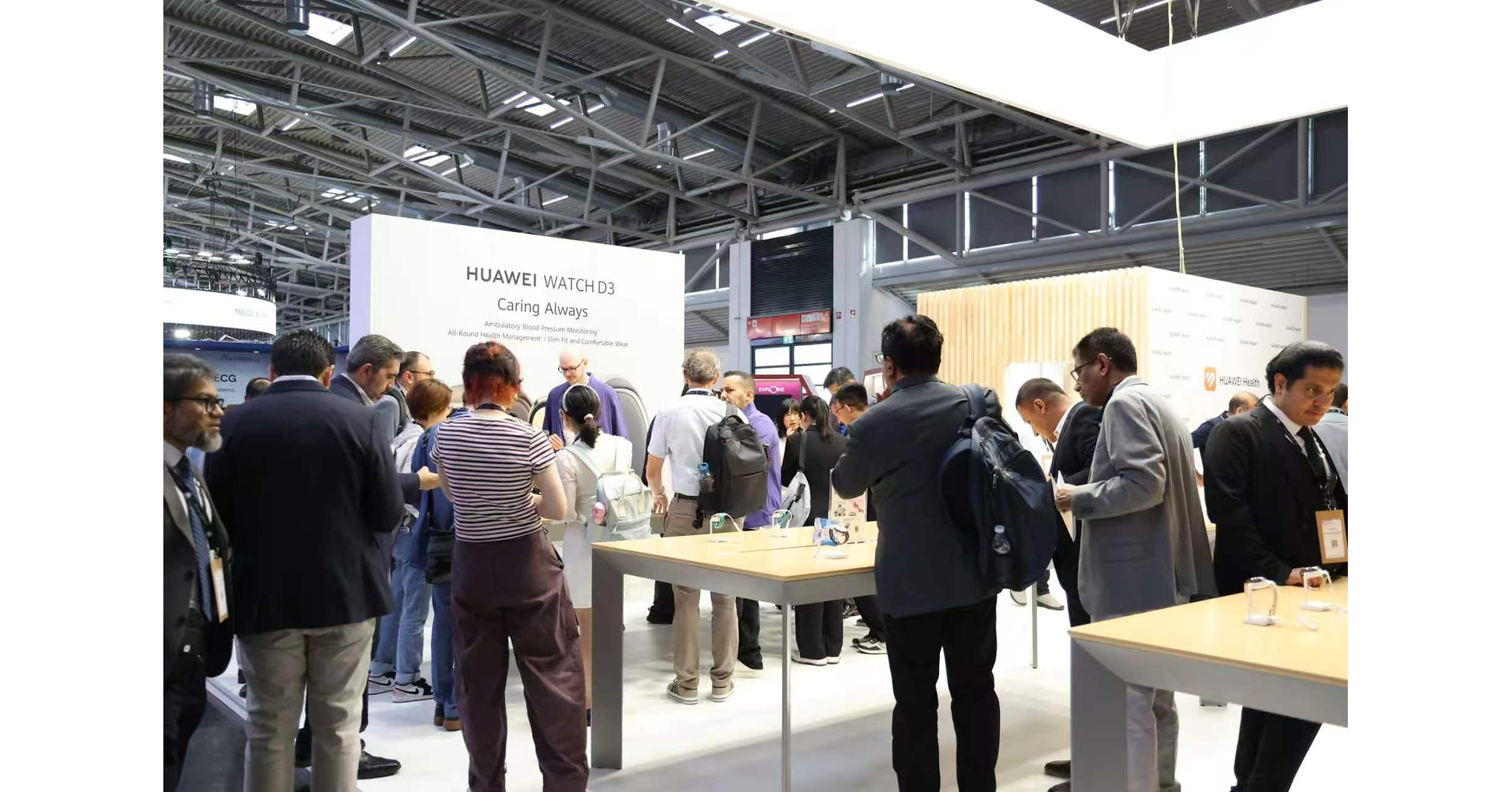
Huawei previewde op het ESC Congress 2026 in München zijn volgende generatie pols-ambulante bloeddrukmeter, de HUAWEI WATCH D3, met verdere doorbraken in bloeddrukmetingen (o.a. pre/post sporten) en extra meetherinneringen bij hoge hoogte en plots temperatuurwissels. Het apparaat is in de EU gecertificeerd onder CE MDR voor o.a. afzonderlijke en ambulante bloeddrukmetingen, met toevoegingen zoals uitgebreide Health Glance-gegevens en verbeteringen in slaap en emotioneel welzijn. De aankondiging is vooral product-/innovatiegericht; er worden geen financiële cijfers of prijs-/lanceringstermen met bedragen gegeven.
Analysis
The real signal here is not a single product launch; it is the continued collapse of the moat around "medical-grade" sensing in consumer wearables. Once a watch can credibly claim ambulatory blood-pressure tracking, the category shifts from fitness accessory to quasi-clinical monitoring platform, which raises the strategic value of the health stack for AAPL, Samsung, and Xiaomi. That said, the economic payoff is likely to accrue through ecosystem stickiness and higher ASPs, not through a near-term step-up in unit demand.
The first-order losers are traditional home-monitoring incumbents and lower-end wearable vendors that compete mainly on hardware. A clinically certified wrist device can siphon off the younger, higher-compliance patient cohort that previously bought separate cuffs, while also compressing pricing power across consumer health wearables as feature parity accelerates. But there is a second-order offset: if this broadens monitoring compliance, it could expand downstream demand for telehealth, device data integration, and physician workflow software rather than just displace hardware.
The market may still be overestimating how quickly this turns into revenue. The bottleneck is not measurement capability; it is sustained usage, calibration discipline, and whether clinicians or payers treat the data as actionable rather than decorative. Over the next 1-3 months, this is mostly a sentiment and product-cycle story; over 6-18 months, the key falsifier is whether competing OEMs follow with similar certification and whether there is any evidence of reimbursement or care-pathway integration. If not, the feature remains a marketing moat, not a profit pool.
AllMind Terminal
AI-powered research, real-time alerts, and portfolio analytics for institutional investors.
Request TrialMarket Sentiment
Overall Sentiment
mildly positive
Sentiment Score
0.15
Key Decisions for Investors
- No immediate direct trade on Huawei-linked exposure; treat this as a category watch item rather than a standalone earnings catalyst.
- Long AAPL on weakness as the liquid proxy for health-feature monetization over 6-18 months; use a staggered entry and size modestly until the next Watch cycle clarifies whether blood-pressure monitoring becomes a platform feature. Risk/reward: mid-single-digit multiple support if health becomes a retention lever; thesis falsified if Apple misses the feature race or health attach does not improve.
- If accessible with acceptable liquidity, pair long AAPL / short OMRNY on any enthusiasm-driven rally in home monitoring names. The thesis is hardware commoditization plus ecosystem capture; stop if OMRNY shows accelerated subscription or distribution gains. Time horizon: 3-12 months.
- Set an alert for any evidence of payer, employer, or clinician workflow adoption of wrist-based BP data. Without that, upside to the med-tech complex is limited and the move should fade within 1-2 quarters.
- Use the next earnings season to screen for commentary from wearable OEMs on health-feature attach rates; if there is no follow-on roadmap, reduce any tactical long in consumer hardware health beneficiaries.
More News
- Christine Lagarde: IMFC Statement
- Why did CoreWeave stock get crushed this week? Look to this corner of the debt market for clues
- Palantir patient data tech rejected by many NHS trusts in England
- Diageo's Toxic Spill Hits Pristine River in Scottish Whisky Country
- AI stock sell-off ramps up over debt-fueled data center spending fears: ‘Full-blown crisis of confidence'
- Tesla is taking $250,000 deposits for a Roadster with SpaceX thrusters. The FAA says it isn’t an aircraft
From AllMind Research
- Anthropic IPO Preview: Valuation, Timing, and What to Watch
- Shein After the IPO: Venue, Valuation, and What Must Be Proved
- What AI Research Tools Should a Small Hedge Fund Buy First?
- Can ChatGPT or Claude Replace a Research Platform?
- How the 2026 Milan-Cortina Winter Olympics Will Reshape Company Revenues and Stock Performance