
US 10-Year Breaches 5% Yield Mark: Evening Briefing Americas
Source: Bloomberg
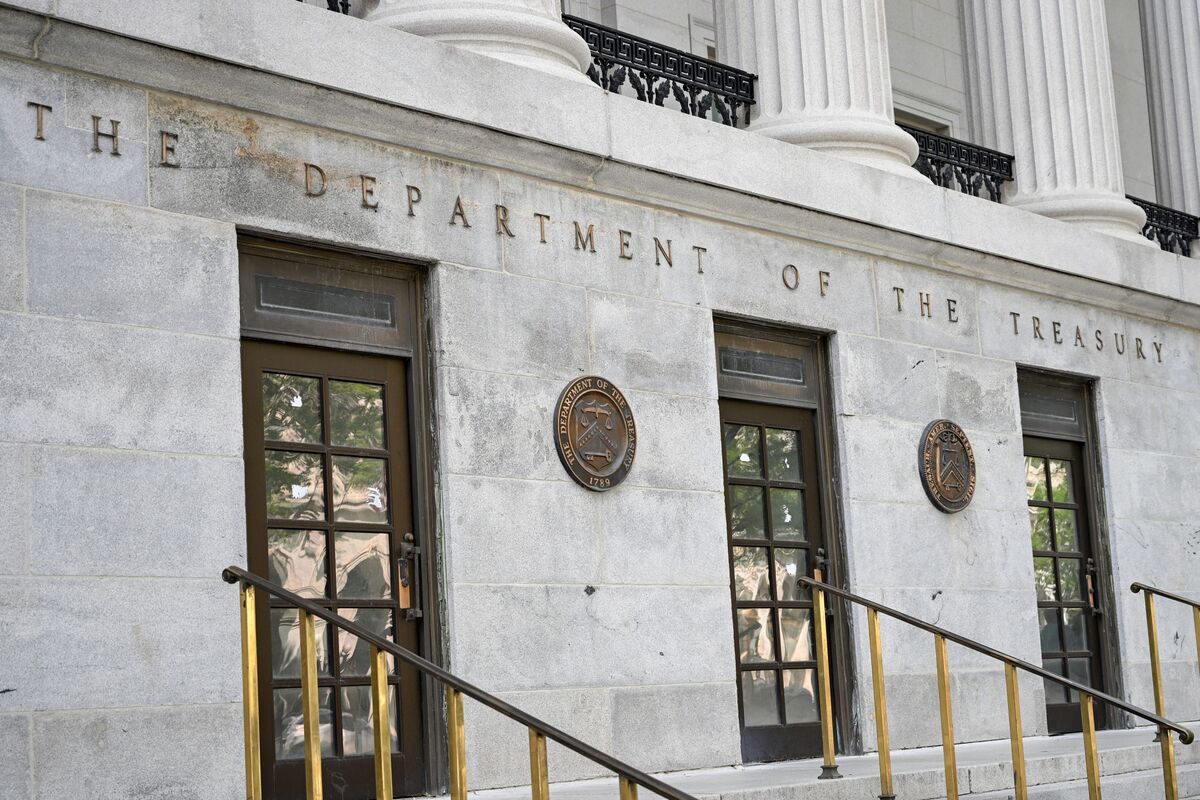
The US 10-year Treasury yield rose nearly 5bps to an intraday 5.01%, its first breach of the 5% threshold since 2023, pressuring global bond prices and raising borrowing costs for mortgages and corporations. Brent crude approached $110/bbl as the US-Israel war with Iran, disruption in the Strait of Hormuz, and Houthi threats toward the Bab al-Mandeb Strait intensified supply-route risks. The combination of elevated yields, higher energy prices and persistent inflation risks creates a material risk-off backdrop for global markets.
Analysis
The important transmission is not simply a higher discount rate; it is the simultaneous tightening of household, corporate and sovereign refinancing channels. A sustained 5%+ 10-year rate would reset mortgage-rate expectations toward 7%+, prolonging housing turnover weakness and pressuring rate-sensitive consumer categories, while reducing the value of banks' longer-duration securities portfolios. KRE, homebuilders (XHB) and highly levered small caps (IWM) have materially greater downside convexity than the broad market if real yields—not just inflation breakevens—continue rising.
Energy-driven inflation is especially problematic because it raises nominal yields while eroding consumer discretionary income. Airlines (JETS), parcel/logistics operators and chemicals are vulnerable to fuel-cost pass-through lags; integrated energy and oil services should outperform because elevated crude supports upstream cash flow and international drilling budgets. The more non-obvious beneficiary is defense: prolonged regional disruption raises replenishment demand and budget urgency, favoring RTX, LMT and NOC over cyclicals whose multiples depend on lower long-end rates.
Over the next days, the key distinction is whether the move is an oil-risk premium or a Treasury-demand/fiscal event. A retreat in crude would not necessarily repair duration if Treasury auctions remain weak or term premium continues widening; that outcome is bearish for both long bonds and equity duration, particularly QQQ and unprofitable technology. Conversely, a decisive de-escalation around maritime transit, combined with contained wage/inflation data, could trigger a sharp short-covering rally in TLT because positioning is likely increasingly one-sided.
The contrarian risk is that markets over-extrapolate a geopolitical price spike into persistent inflation. Demand destruction, emergency inventory releases, or reopened shipping capacity could compress crude rapidly within 1-3 months; if inflation expectations fall faster than growth expectations, quality duration and megacap technology would rebound. This thesis is falsified by a sustained rise in 10-year real yields above recent highs, weak Treasury auction bid-to-cover ratios, or inflation expectations remaining elevated after energy prices normalize.
AllMind Terminal
AI-powered research, real-time alerts, and portfolio analytics for institutional investors.
Request TrialMarket Sentiment
Overall Sentiment
strongly negative
Sentiment Score
-0.62
Key Decisions for Investors
- Maintain a 1-3 month pair: long XLE or XOP / short JETS, sized dollar-neutral. Energy retains direct commodity leverage while airline margins absorb fuel inflation with delayed fare pass-through; target 10-15% relative return, with a stop if Brent falls below $90 or regional shipping disruption materially eases.
- Buy 2-3 month KRE put spreads or pair short KRE / long XLF. Regional-bank duration and commercial-real-estate sensitivity make KRE the cleaner long-yield expression; cap risk through spreads, and exit if the 10-year yield closes below 4.60% alongside stable bank deposit data.
- Underweight rate-sensitive cyclicals through a short IWM / long SPY pair over the next 1-3 months. Higher refinancing costs disproportionately impair smaller issuers with floating-rate debt and limited pricing power; reassess after the next CPI release and Treasury refunding/auction cycle.
- Do not initiate an outright TLT short after the initial yield break. Instead, place an alert to buy TLT call spreads if crude retreats and the 10-year fails to hold 5%; the asymmetric risk is a geopolitical de-escalation producing a rapid duration rally despite still-elevated fiscal concerns.
- Add selectively to RTX, LMT and NOC on market-wide risk-off weakness for a 6-18 month horizon. The trade requires confirmation through order backlog, missile/interceptor replenishment demand and appropriations progress; reduce exposure if conflict de-escalation coincides with delayed defense funding.
More News
- Saudi Arabia built the East-West pipeline in the 1980s in case Iran closed Hormuz. Tehran-backed militias still blasted it, sending oil prices up
- The Pentagon admits that Iranian strikes damaged and destroyed hundreds of buildings at U.S. bases across the Middle East
- Mark Carney pitches Canada to global investors as ‘much more than being next to the United States’ and a reliable partner that ‘respects rule of law’
- Trump says calls for more control on AI are a ‘SICK conspiracy’
- Chip Stocks Fall After AI Leaders Call for Development Slowdown
- US 10-year yields reach 5%, highest since 2023