
Rokid Launches AIUI Studio Globally at IFA Berlin 2026, Making AI Glasses Creation More Accessible for Everyone
Source: PR Newswire
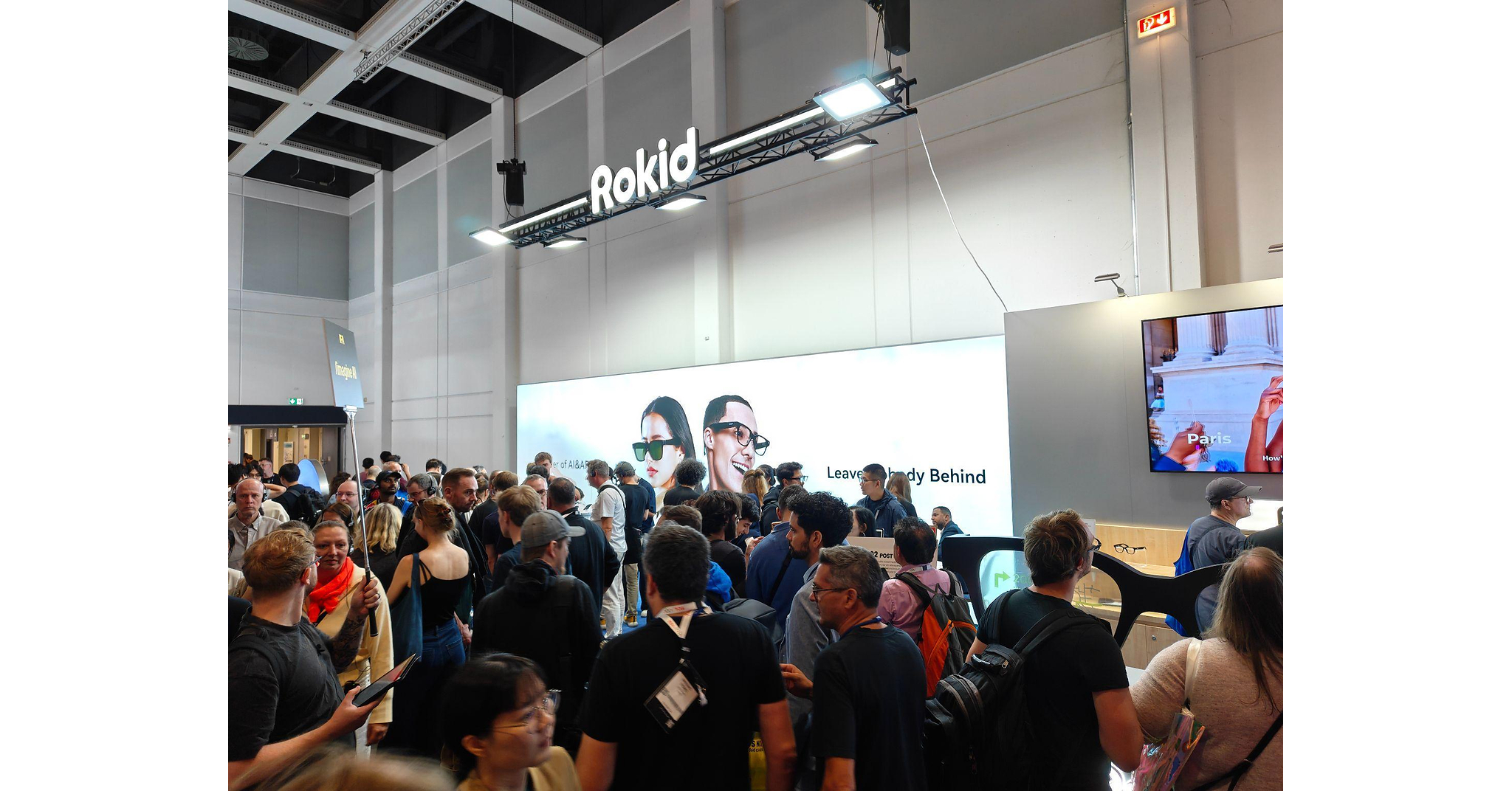
Rokid globally launched AIUI Studio at IFA Berlin 2026, a browser-based agentic AI development platform that lets users build and publish spatial applications for its AI glasses, including through plain-language prompts without coding. The company said its developer ecosystem exceeds 35,000 registered developers and 500 agents, while expanding European distribution through a dedicated UK website and retail partners including Krys, Selfridges Tech Bar, and Coolblue. Rokid also received three IFA awards and highlighted accessibility applications for visually impaired users.
Analysis
The strategic value is not the development tool itself but whether it reduces the application deficit that has constrained consumer AR adoption. If third-party agents become differentiated and device-specific, Rokid could improve retention and create a modest ecosystem moat; however, low-code tooling also lowers switching costs because comparable workflows can be replicated across competing hardware. Near term, this is not a material public-equity earnings event, but it reinforces competitive pressure on Meta (META), Snap (SNAP), and Vuzix (VUZI) to demonstrate that their wearable platforms can attract repeat developer and consumer engagement rather than merely ship hardware.
The more investable second-order beneficiary is Qualcomm (QCOM): broader on-device AI use raises the value of low-latency, power-efficient edge compute, provided consumer usage moves beyond demonstrations into daily inference-heavy tasks. Conversely, cloud-model vendors receive less direct benefit if developers optimize for local execution; the relevant metric is not registered developers or published agents, but active devices, agent usage per device, and inference mix. Retail distribution can improve physical trial conversion, yet it also introduces inventory and return-risk if consumer expectations run ahead of practical battery life, utility, and privacy acceptance.
Consensus may overstate the importance of developer-count announcements in a fragmented smart-glasses market. The critical 6-18 month test is whether a small set of high-frequency use cases—translation, navigation, accessibility, field service, or commerce—produces measurable attach rates and repeat use; absent that, broader app availability may raise support costs without improving unit economics. A rapid META hardware/software integration cycle, or Apple entering the lighter-weight glasses category, would likely compress smaller-platform ecosystem value before it can monetize.
AllMind Terminal
AI-powered research, real-time alerts, and portfolio analytics for institutional investors.
Request TrialMarket Sentiment
Overall Sentiment
moderately positive
Sentiment Score
0.42
Key Decisions for Investors
- No standalone trade on Rokid-related news: the company is private and disclosed ecosystem metrics do not establish active-user, revenue, or gross-margin impact.
- Maintain QCOM as the liquid watch-list beneficiary; consider adding only after evidence of sustained smart-glasses unit growth or management quantifies wearable-edge AI design wins. Thesis fails if handset/IoT guidance weakens or wearable demand remains promotional rather than recurring.
- Avoid chasing VUZI on ecosystem-readthrough headlines; its valuation sensitivity is to commercial order conversion and cash burn, not sector-wide developer activity. Reassess after quarterly bookings, gross margin, and liquidity data.
- For a 6-12 month relative-value expression if consumer AI-glasses adoption data accelerates, prefer long QCOM versus short an AR hardware pure-play basket led by VUZI: QCOM captures component content across multiple OEMs while smaller vendors bear inventory, channel, and platform-monetization risk.
More News
- Here’s the ‘core economic flaw’ in the AI bull case as stock and bond trades unravel, according to a top economist
- How Pepsi fell behind in the cola wars—and then lost KFC
- 5 big analyst AI moves: ’Uniquely catalyst-rich’ months ahead for SpaceX
- The experience economy keeps defying expectations. Maybe we’ve been looking at it all wrong
- Brookfield to open Qatar office as it expands Middle East operations
- The U.S. military and NASA have power problems. Nuclear microreactors might solve both
From AllMind Research
- Anthropic IPO Preview: Valuation, Timing, and What to Watch
- Shein After the IPO: Venue, Valuation, and What Must Be Proved
- What AI Research Tools Should a Small Hedge Fund Buy First?
- Capital Intensity as Gravity: The AI Trade Enters Its Industrial Era (Looking at Q3 2025 Earnings in Tech)
- AI Portfolio Monitoring: Build an Alert Policy Analysts Can Audit