
Qatar Reinvents LNG Trade to Restore Global Clout Even as Iran War Drags
Source: Bloomberg
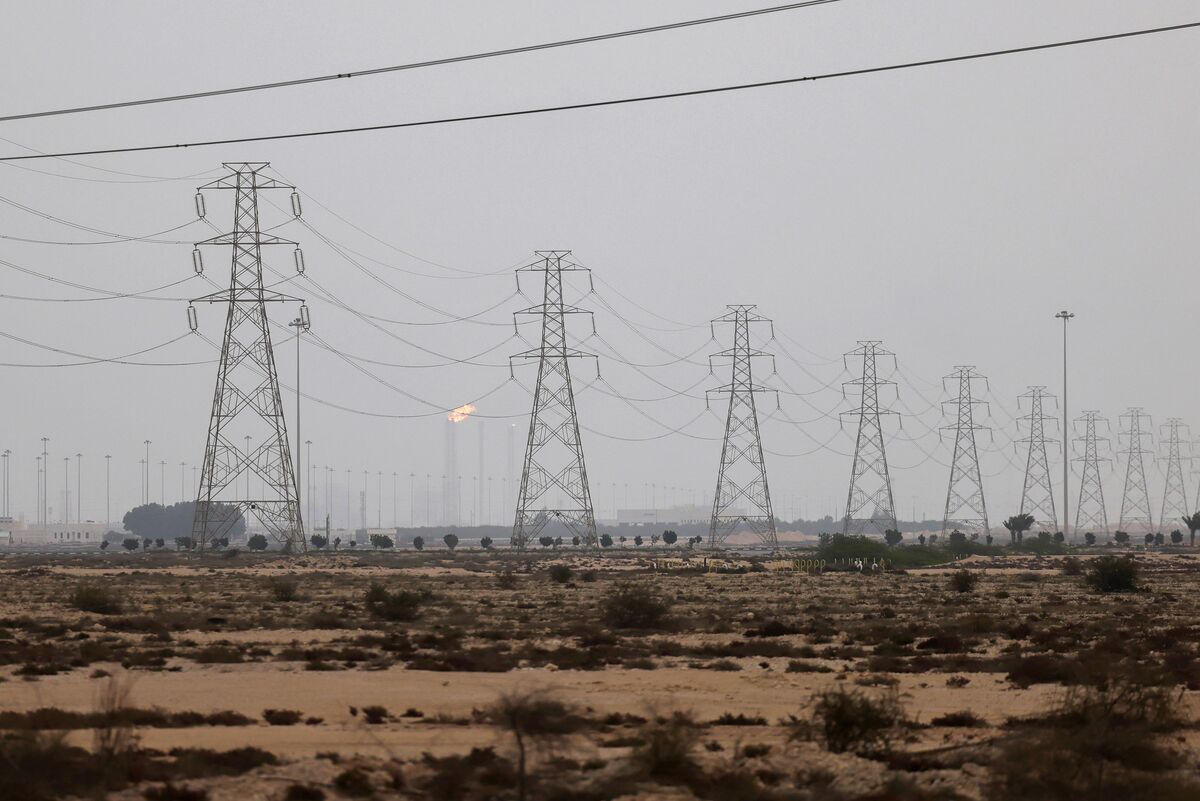
QatarEnergy’s LNG shipments had all but stopped by late August after a projectile attack on one tanker outside the Strait of Hormuz, six months into a war disrupting the Persian Gulf. With pressure from energy-starved clients and Qatar’s delivery-dependent economy, senior executives are considering Al Rayyan, one of the fleet’s oldest vessels, as a potential workaround to keep cargoes moving.
Analysis
The key market question is not whether an old vessel can make one voyage, but whether insurers, port authorities and charterers will accept that workaround at repeatable scale. If not, each failed or delayed cargo raises the reliability premium for Atlantic Basin LNG and can tighten prompt European and Asian gas markets even without a lasting global supply shortfall. A successful voyage would ease immediate panic, but should not be treated as restored export capacity until vessel tracking confirms repeated loadings and deliveries.
The beneficiaries are alternative flexible suppliers, including US LNG exporters such as Cheniere Energy, and non-Qatari cargo holders able to redirect volumes. The benefit is conditional: long-term contracts and destination flexibility determine who captures spot-market upside, and higher gas prices can also suppress demand or accelerate fuel switching. Buyers may respond by paying for redundancy, building inventories and diversifying contracts—supportive for competing suppliers over 6–18 months, but potentially destructive to Qatar’s share if disruptions persist.
Near term, the main reversal risk is a verified, sustained resumption of Qatar cargoes or a credible security/insurance corridor through Hormuz. The opposite tail is further vessel damage or refusal of cover, which could turn an episodic logistics problem into a persistent supply-risk premium. There is not enough evidence here to underwrite a durable shortage or an equity-level earnings revision; cargo volumes, destination mix, insurance terms and the vessel’s successful operating record need verification.
AllMind Terminal
AI-powered research, real-time alerts, and portfolio analytics for institutional investors.
Request TrialMarket Sentiment
Overall Sentiment
mildly negative
Sentiment Score
-0.30
Key Decisions for Investors
- Treat this as a conditional prompt gas-risk signal, not a structural shortage call. Consider a small, defined-risk position in prompt European gas exposure only if tracking data shows continued Qatar loading disruption; exit or reassess on sustained cargo resumption and easing regional risk premiums.
- Watch for relative upside in flexible non-Qatari LNG suppliers, including Cheniere Energy, but do not assume spot-price gains flow directly to earnings. Verify contract exposure, available capacity and any company guidance before taking an equity position.
- Avoid a broad LNG-shipping short: older vessels may be part of the workaround, while disruption can raise freight and insurance costs unevenly. Monitor war-risk premiums, charter availability and repeat voyages by Al Rayyan before trading shipping equities.
- Falsification and catalyst checks: confirmed recurring Qatar loadings and deliveries, insurer acceptance, and easing prompt-versus-deferred gas spreads would weaken the thesis; further attacks, cover exclusions or prolonged cargo stoppages would strengthen it.
More News
- Taiwan agrees to buy 30% of gas from Alaska LNG project, Trump says
- Oil rises amid growing Mideast tensions between Iran-backed Houthis and Saudi Arabia
- Houthis Hit Saudi Aramco Headquarters in Missile Attack
- Airport attacks put aviation in crosshairs of geopolitical conflicts
- Namibia battles cattle disease outbreak as EU suspends several meat imports
- China's exports likely grew by double-digits in September
From AllMind Research
- Anthropic IPO Preview: Valuation, Timing, and What to Watch
- Shein After the IPO: Venue, Valuation, and What Must Be Proved
- What AI Research Tools Should a Small Hedge Fund Buy First?
- Weekly Update: AI-Powered Report Editing, Investor Relations, and Enhanced Search
- Automating Financial Model Updates: A Source-Controlled Workflow