
Notre Dame researchers are developing AI technology to interpret nonverbal communication
Source: PR Newswire
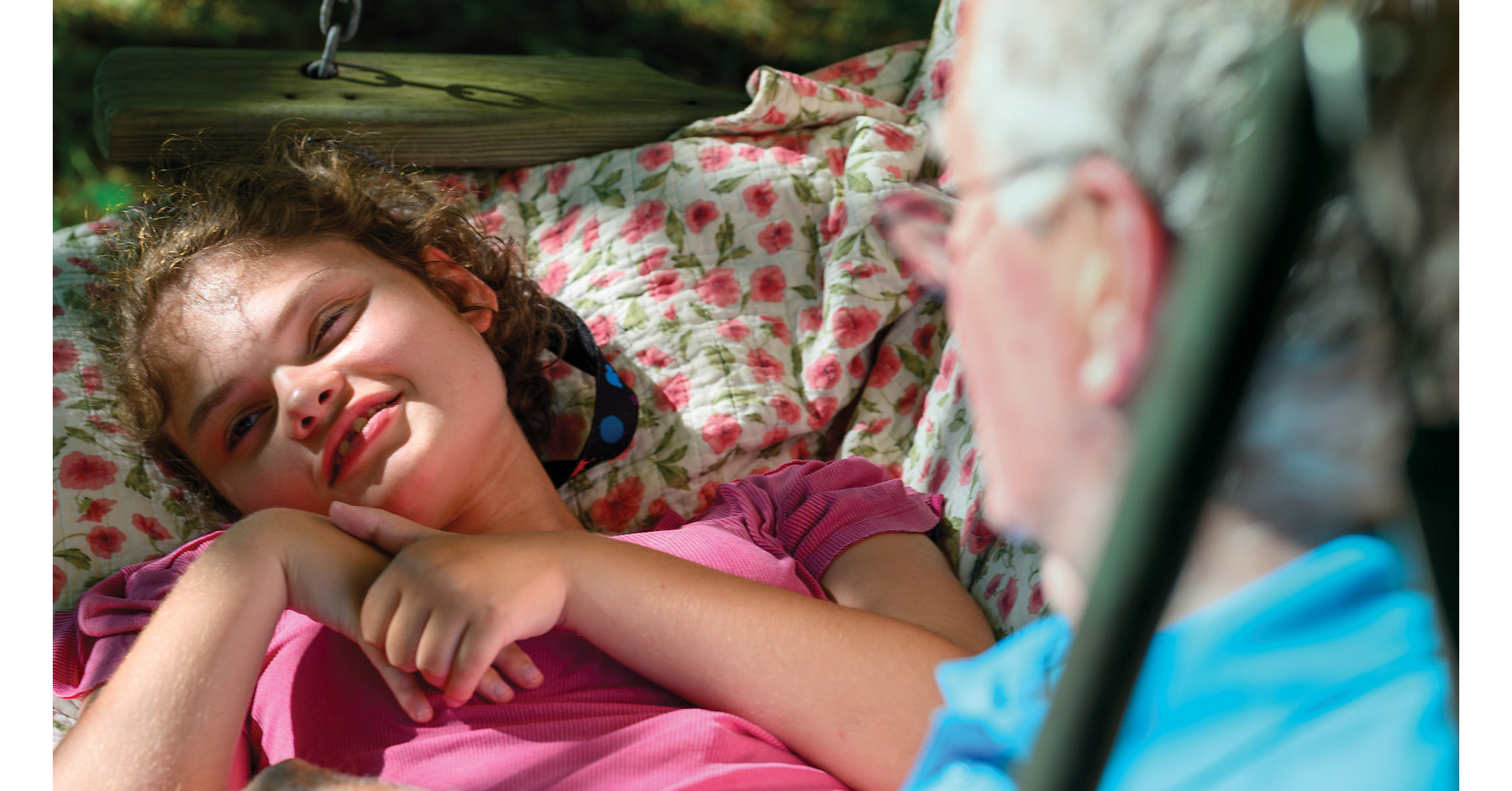
University of Notre Dame researchers are developing Voice4PIMD, a personalized AI system intended to interpret nonverbal cues from people with profound intellectual and multiple disabilities and relay them to caregivers. The research remains at an early stage, with additional family testing beginning through LOGAN Community Resources in South Bend; researchers are also exploring uses for autism and dementia.
Analysis
This is an early research signal, not evidence of a commercial product or near-term revenue stream. The investable question is whether individualized communication tools can reduce caregiver time and improve continuity of care enough to support adoption by disability-service providers, schools, or health systems. That outcome depends less on model capability than on reliable, low-burden data collection, caregiver onboarding, and trust: false interpretations could undermine adoption and create meaningful privacy, consent, and liability concerns.
If the approach validates, potential beneficiaries are assistive-technology providers and vendors serving long-term care or special-needs settings; the second-order opportunity is better longitudinal data for care planning. Conversely, labor savings are not automatic: facilities may lack budgets or staff capacity to train and maintain person-specific systems. Broader applications to autism or dementia remain hypotheses, not validated extensions.
Near term (days to weeks), expect negligible public-market read-through. Over 1–3 months, watch for disclosed study design, participant numbers, independent validation, caregiver usability, and funding or institutional partners. Over 6–18 months, evidence of sustained accuracy across changing caregivers and settings would matter more than model demonstrations. The thesis is falsified by poor real-world reliability, high setup burden, weak family/provider uptake, or privacy constraints that prevent continuous sensing. No company-specific valuation or earnings impact is supportable from this announcement.
AllMind Terminal
AI-powered research, real-time alerts, and portfolio analytics for institutional investors.
Request TrialMarket Sentiment
Overall Sentiment
mildly positive
Sentiment Score
0.25
Key Decisions for Investors
- No trade on the announcement alone: the work is early-stage university research with no identified commercial partner, product, or financial disclosure.
- Add assistive communication and care-technology vendors to a watchlist, but require evidence of validated outcomes, procurement interest, and a viable reimbursement or payer pathway before taking exposure.
- Treat privacy, consent, and misclassification risk as adoption gates; monitor whether future studies report real-world accuracy, false-alert rates, caregiver workload, and performance as caregivers or environments change.
- Avoid extrapolating the proposed autism and dementia applications into a broad healthcare-AI thesis until each population has separate validation.
More News
- US stock market hits all-time high as investors bet big on AI
- Singapore's Temasek warns of the ‘biggest risk’ facing markets right now
- A 32% beat, a +6% jump: the IT solutions name our models picked in July
- Nvidia Is on the Verge of a $6 Trillion Market Value
- What Marvell's rosy long-term guidance means for our AI chip stocks
- U.S. stock futures steady after tech rally lifts S&P 500, Nasdaq to records