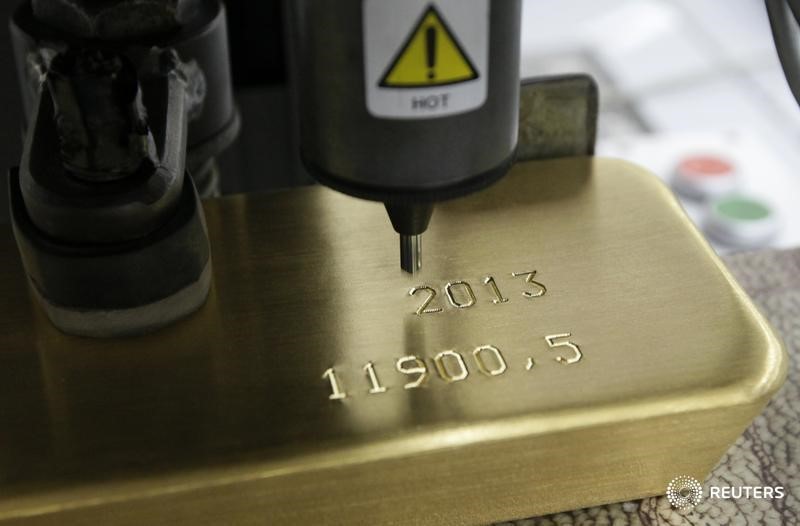
Gold is trading at $4,362.47 on the 1-hour chart, with ADX at 43.98, SuperTrend resistance at $4,414.40, and price below the $4,510.80 high-volume node, signaling a strong bearish trend. RSI at 29.19 suggests oversold conditions and a possible relief rally, but the article frames any bounce as a likely bull trap unless price reclaims $4,400+ on strong volume. Invalidation for the bearish setup comes above $4,414.40; downside targets are $4,340 and $4,300.
The immediate beneficiary of the macro backdrop is not the headline index but the parts of the market most sensitive to a de-escalation in risk premia: AI hardware, semiconductor beta, and crowded growth factors. If geopolitical stress fades even modestly over the next 1-3 sessions, systematic funds that de-risked on vol will likely re-add exposure fastest to names like SMCI and APP because they sit at the intersection of momentum, retail participation, and high short-interest reflexivity. That creates a second-order squeeze dynamic: the market does not need a full risk-on regime shift for these names to outperform; it only needs implied volatility to compress and futures to stabilize.
The more interesting setup is that a relief rally in equities can coexist with a still-fragile commodity/rates mix. If gold is acting like a high-beta risk barometer rather than a pure safe-haven, then a failed bounce there would reinforce the idea that the market is pricing a temporary geopolitical premium, not a durable macro shock. In that scenario, the best near-term longs are the most crowded shorts in growth, while the worst longs are defensive havens that lose both on a risk-on move and on mean reversion in volatility.
The contrarian risk is that traders mistake a futures-led bounce for true institutional re-risking. A one- to three-day squeeze can be powered entirely by position-covering, but unless follow-through expands beyond tech into cyclicals and small caps, the move likely remains tactical. The key tells are volume breadth and whether downside hedges in index options get rolled lower; if not, the rally is vulnerable to fading once the initial short-covering exhausts.
AI-powered research, real-time alerts, and portfolio analytics for institutional investors.
Overall Sentiment
mildly negative
Sentiment Score
-0.35
Ticker Sentiment
