
Red Sea Global and Dr. Sulaiman Al Habib Medical Group Inaugurate The Red Sea Hospital
Source: PR Newswire
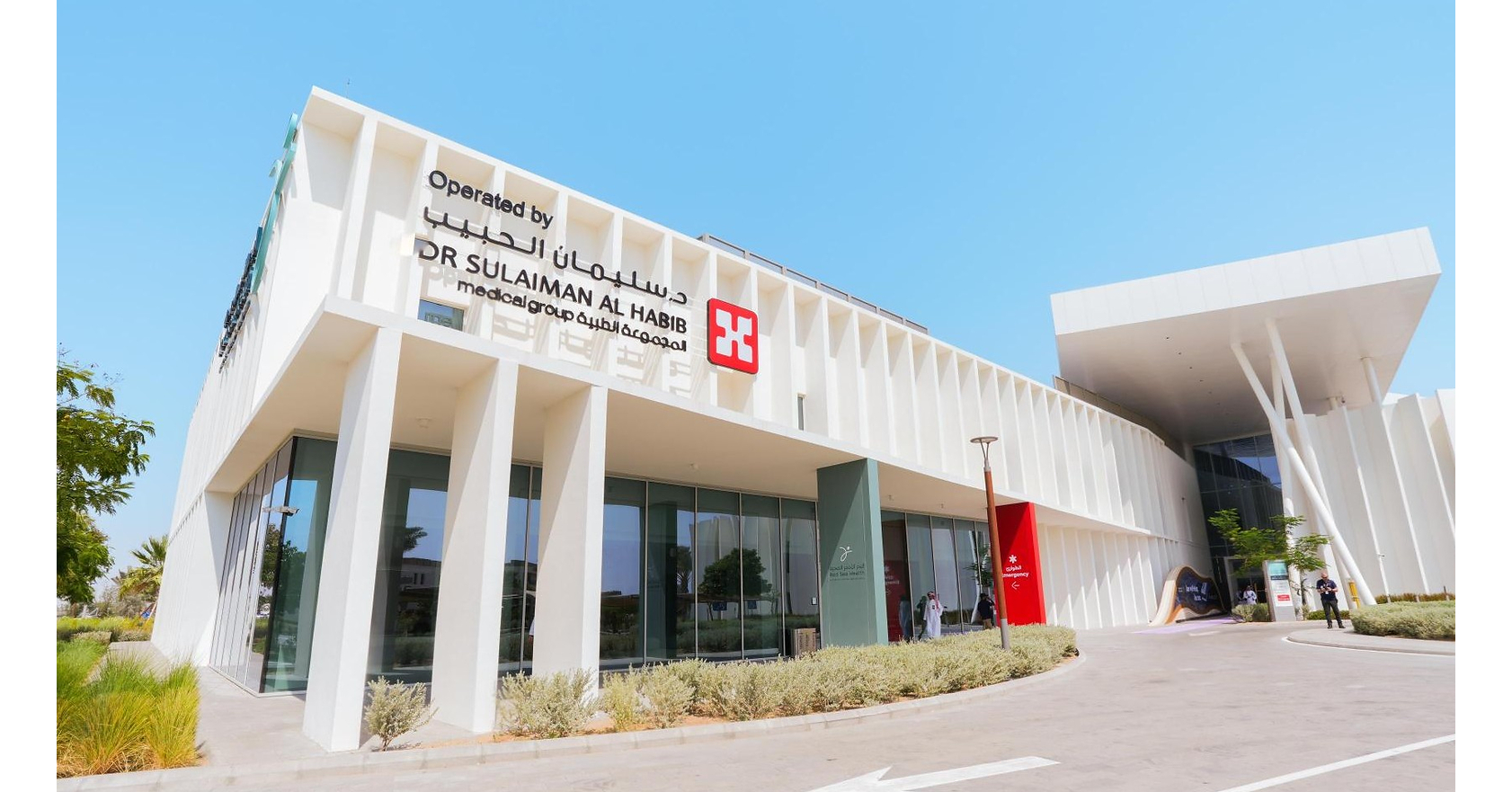
Red Sea Global and Dr. Sulaiman Al Habib Medical Group inaugurated The Red Sea Hospital in Saudi Arabia, adding emergency, inpatient, outpatient, surgical and digital-health capabilities to the Red Sea tourism destination. The facility will anchor RSG's Red Sea Health network, which is planned to include six pharmacies and dedicated rapid-response medical emergency services. The opening supports Saudi Vision 2030 tourism and healthcare-access objectives as the destination expands from 11 operating hotels, with six more resorts due to open on Shura Island in coming months.
Analysis
This is operationally positive for HMG’s brand and potential referral network, but the near-term earnings impact is likely immaterial unless the operating contract includes minimum-volume guarantees, capex reimbursement, or premium emergency-evacuation economics. Remote-destination hospitals typically face structurally elevated staffing, equipment-maintenance, and patient-transfer costs; absent a pass-through arrangement, the facility could dilute HMG margins during its ramp. The key diligence item is whether RSG bears fixed infrastructure and staffing-shortfall costs while HMG earns a management fee, which would make the asset capital-light and potentially accretive.
The more investable second-order implication is reduced operating risk for Saudi luxury-tourism buildout rather than a standalone healthcare demand signal. Reliable acute-care capacity lowers insurers’, tour operators’, and high-net-worth travelers’ perceived destination risk, supporting occupancy and room-rate realization only as resort inventory opens and international flight connectivity deepens over the next 12-24 months. This also improves the competitive position of integrated destination developers versus isolated luxury resorts, but the benefit accrues slowly and is unlikely to change listed-company estimates without evidence of bookings or contracted patient volumes.
Consensus may overread the government-backed opening as immediate revenue validation. Destination healthcare is a necessary enabling cost center before it becomes a profitable network; utilization could remain low outside peak tourism periods, while scarce clinical labor creates wage pressure. A positive thesis requires proof that HMG can cross-sell diagnostics, outpatient specialties, pharmacy, and telehealth rather than merely operate emergency capacity.
Near-term, treat this as a diligence catalyst rather than a directional trade. Watch HMG’s next results for new managed-facility revenue, consolidated EBITDA-margin movement, receivable days, and disclosed capex/lease commitments; a margin decline without contract-detail transparency would indicate that the operating burden sits with HMG.
AllMind Terminal
AI-powered research, real-time alerts, and portfolio analytics for institutional investors.
Request TrialMarket Sentiment
Overall Sentiment
moderately positive
Sentiment Score
0.42
Key Decisions for Investors
- No immediate directional position based solely on the inauguration; liquidity and contract economics are not provided, and the stated impact is too small to support an earnings revision.
- For investors able to trade the Saudi market, place HMG on a 1-3 month earnings-call watchlist: consider a long only if management confirms fixed management fees or RSG cost pass-through and guides to no dilution in consolidated EBITDA margin. Exit/falsify on evidence of incremental capex, rising receivable days, or a material margin step-down.
- Monitor Saudi tourism proxies and hospitality suppliers over 6-18 months for a broader destination-readiness signal, but require hard indicators—international arrivals, resort occupancy, ADR, and airline capacity—to establish exposure. Healthcare infrastructure alone does not justify a long tourism basket.
- Use any sharp HMG share-price rally attributed to this announcement as an opportunity to avoid chasing or tactically fade only where local borrow/liquidity permits; the downside case is utilization below fixed staffing cost, while upside requires undisclosed contract economics and meaningful network expansion.
More News
- All Iranian airlines to be 'shut down' from Wednesday, Bessent tells CNBC
- Taiwan benchmark Taiex rises to record intraday high as tech stocks advance
- AMD joins the $1 trillion club as chip rally surges - our AI Strategy saw it early
- Jamie Dimon says hyperscaler AI spending could hit $1 trillion next year
- Here's who we know is going to the Trump-Xi dinner so far
- UK to refuel Saudi jets to help counter Houthi attacks