
Meta Says New Muse Model Reaches AI Frontier After 14-Month Push
Source: Bloomberg
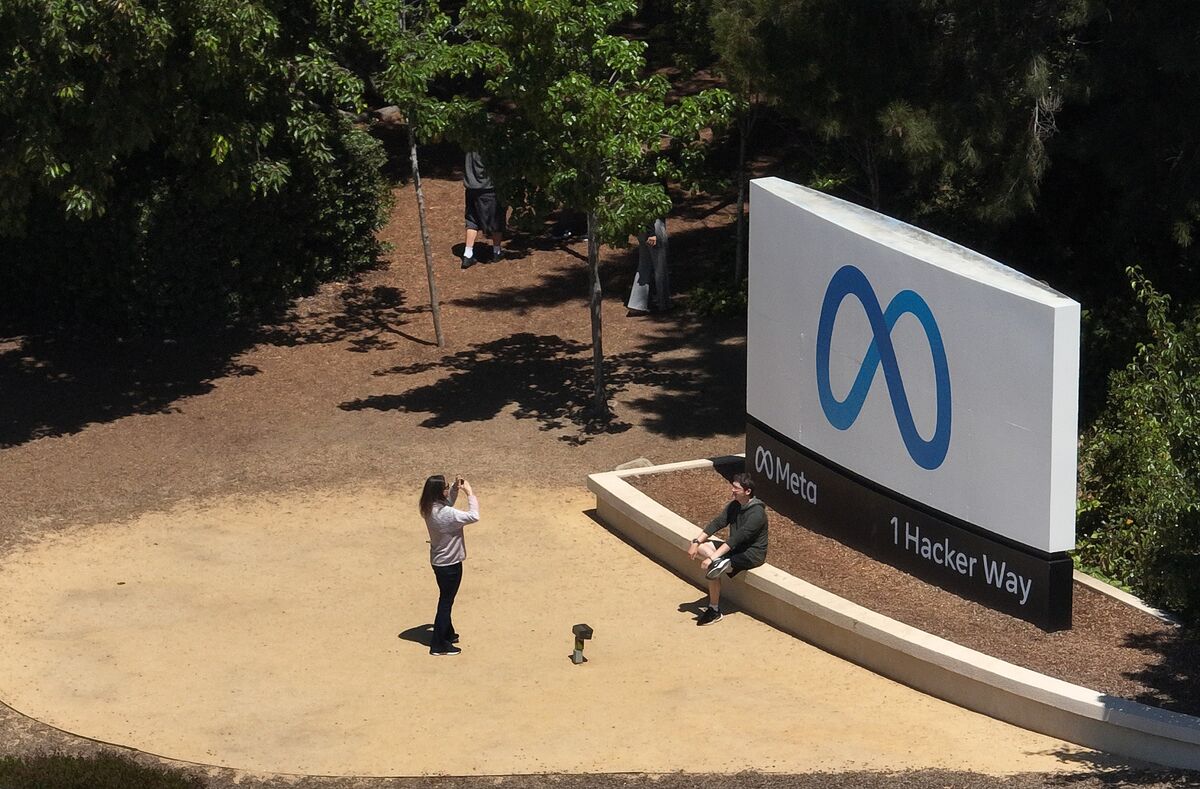
Meta released Muse Wonder, its most capable AI model since a 14-month overhaul of its AI organization, and says it has frontier capabilities comparable to OpenAI’s ChatGPT and Anthropic’s Claude in coding and financial or legal tasks. The launch is an early test of whether Meta’s multibillion-dollar rebuilding effort has improved its competitiveness; the capability claims are attributed to the company.
Analysis
The relevant market question is whether Meta can turn model quality into better economics—not whether its own launch claims match competitors. Independent coding and reasoning evaluations, reliability at production scale, and evidence of adoption matter more than a one-day benchmark comparison. If Muse improves ad ranking, creative generation, or user engagement, the payoff could show up indirectly in advertiser returns and ad pricing; a standalone model release does not establish that payoff.
The near-term risk is a credibility trade: launch excitement can lift expectations before investors can verify capability or deployment. Over 1–3 months, watch external evaluations, developer uptake, and evidence of integration into Meta products. Over 6–18 months, the larger test is whether useful AI features strengthen engagement or ad conversion enough to justify continued spending. Failure to show that link leaves Meta exposed to the opportunity cost of AI investment, while OpenAI and Anthropic retain competitive pressure on talent and enterprise use cases.
Contrarian point: the launch may matter less as a direct model-revenue event than as evidence that Meta can apply AI inside its existing distribution and advertising systems. Conversely, calling the model “frontier” is not evidence of a durable lead; capability, inference cost, and product utility can diverge. There is insufficient evidence here to underwrite a directional trade or infer a valuation reset.
AllMind Terminal
AI-powered research, real-time alerts, and portfolio analytics for institutional investors.
Request TrialMarket Sentiment
Overall Sentiment
mildly positive
Sentiment Score
0.30
Ticker Sentiment
Key Decisions for Investors
- Do not add META solely on the launch announcement. Treat it as a watch item pending independent benchmark results and confirmation that the model is available and competitive in real user workflows.
- Over the next 1–3 months, track product integration, developer adoption, and management commentary on AI’s contribution to engagement or ad performance; these are more investable signals than capability claims alone.
- For a 6–18 month thesis, require evidence that AI-driven improvements reach measurable business outcomes without an unfavorable increase in spending. Reassess if guidance or reported engagement/ad metrics weaken while AI investment continues to rise.
- Falsifiers: independent evaluations materially trail leading models, adoption is limited, or Meta fails to connect deployment to product or advertising outcomes. A validated capability lead paired with measurable deployment benefits would strengthen the case for a long, but the supplied information does not establish an entry level or risk/reward.
More News
- Meta debuts Muse Wonder AI model in latest test of users' willingness to pay
- Muse Wonder Puts Meta Back at the AI Frontier
- AI Data Centers Cost Billions to Build. This Is Why
- Investors can now see how Meta's big AI spending will pay off with Muse. Why I am buying now
- Why Meta stock is up 4% on Monday?
- Muse buys a watermelon: Inside Zuckerberg’s AI tease