
Wellness Insights in Your Hands in 60 Seconds: EYVA to Introduce Unique Touch-Based Metabolic Wellness Tracker to U.S. Market
Source: PR Newswire
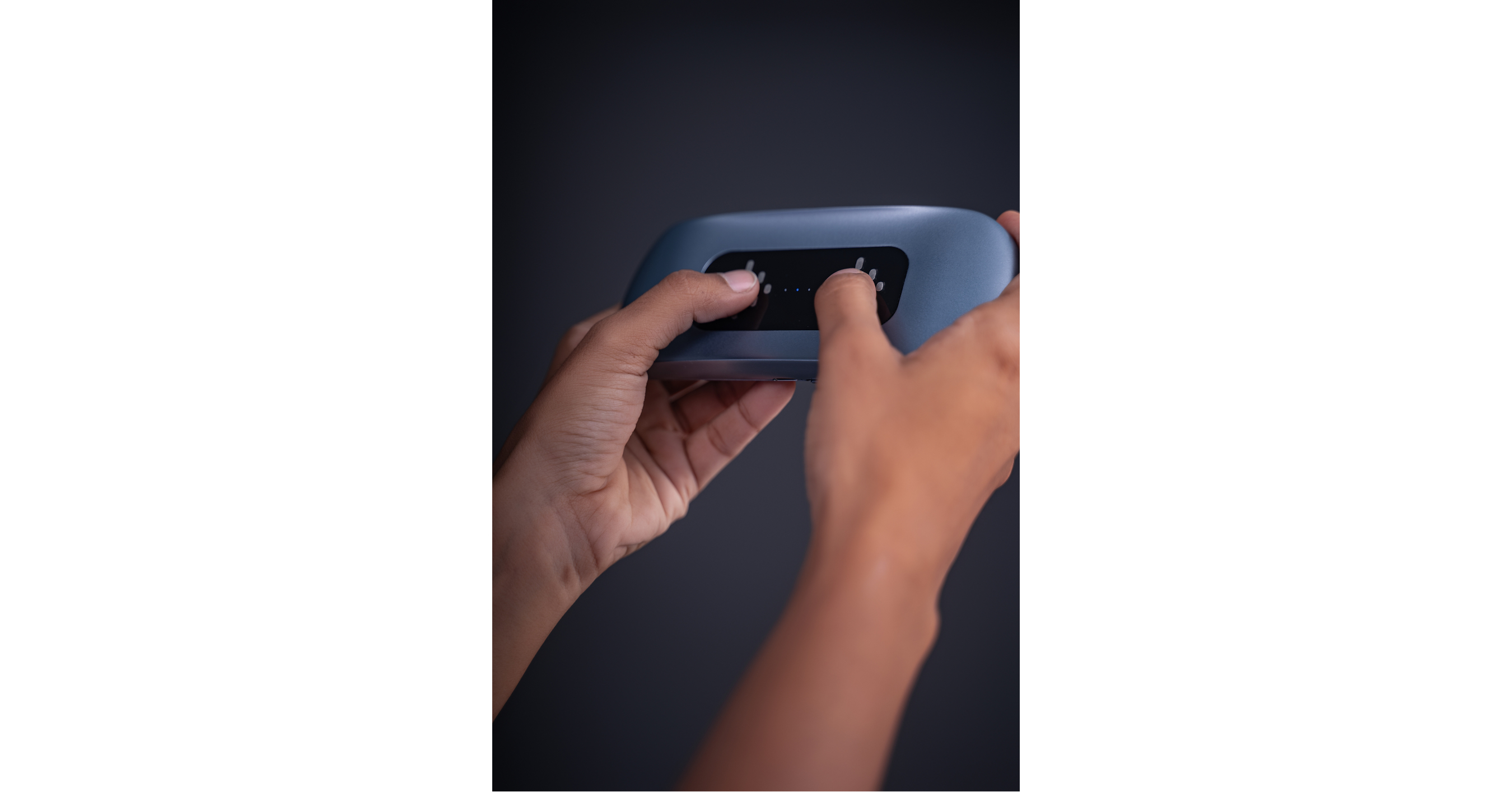
EYVA plans to introduce its EYVA Pro touch-based metabolic wellness tracker to the U.S., using a thumb test in ~60 seconds to produce three AI-driven scores (Metabolic, Cardiovascular, Respiratory) plus context like hydration and AQI. The company says it has built a base of 30,000 users in India since 2023 and has powered 3.5M wellness scores to date, with a Kickstarter campaign expected in September and $100-off benefits for the first 200 VIP backers.
Analysis
This is not a tradable event for the listed tickers; it is a category-signal, not a revenue event. The only meaningful market read-through is that consumer willingness to pay for “health intelligence” remains intact, which is modestly supportive for platform ecosystems with recurring attachment points—most plausibly AAPL’s wearables stack and, at the margin, consumer health subscription names like HIMS. But the category is structurally low-moat: the defensible asset is distribution and retained usage data, not the sensor story itself.
The bigger second-order effect is competitive compression. If a non-incumbent can ship a wellness score product through crowdfunding, then feature differentiation in adjacent wearables/software gets cheaper faster, pressuring smaller private DTC wellness startups and any public microcaps trying to sell AI-enabled health insights as a standalone proposition. Over 1-3 months, the main catalyst is not product launch but conversion quality: preorders, repeat engagement, and refund rates will determine whether this is a niche gadget or a durable cohort business.
Risk is regulatory creep. The more the messaging drifts from lifestyle tracking toward implied diagnosis, the higher the odds of FTC/FDA scrutiny or platform payment friction, which would cap scale well before any meaningful financial contribution. Falsifier for any bullish read-through: weak Kickstarter uptake, poor day-30 retention, or evidence that users treat it as a novelty rather than a habit.
Net: the market impact is underdone only if launch metrics surprise sharply to the upside; otherwise this is mostly noise. For public equities, the highest-conviction stance is to wait for hard conversion data rather than front-run a concept that can be copied quickly.
AllMind Terminal
AI-powered research, real-time alerts, and portfolio analytics for institutional investors.
Request TrialMarket Sentiment
Overall Sentiment
mildly positive
Sentiment Score
0.15
Key Decisions for Investors
- No immediate position in MDCE or WWRL; the signal is too indirect and the public-equity linkage is not supported by identifiable cash flows over the next 1-3 months.
- Set a watch item on Kickstarter launch metrics: if first-72-hour backers and conversion materially exceed typical niche hardware campaigns, reassess AAPL vs consumer discretionary exposure as a weak positive read-through; otherwise ignore.
- If you want a cleaner expression, keep a small tactical long AAPL on any post-launch pullback only if wearables demand data remains stable; the upside is modest, but the balance sheet and ecosystem make it the only plausible public proxy.
- Avoid shorting consumer wellness/AI-health names on this headline alone; the right bearish expression is to fade unprofitable DTC hardware only after proof of weak retention, not on announcement day.
More News
- Musk says Terrafab chip factory could outperform rivals despite challenges
- CBO chief warns it’s ‘probably not plausible’ that a strong economy alone can steady U.S. debt as 5%-6% growth is needed—more than Bessent’s 3% view
- Nvidia GPUs are everywhere. Here are the ways companies are accessing them
- Stocks saw new highs and big declines: How the volatile AI trade moved last week's market
- Will Warner Bros. kill Skydance — or will David Ellison kill Warner Bros?
- Cerebras Is About as Big as Nvidia's Data Center Business Was Nearly a Decade Ago. The Similarities Mostly End There.