
Whistleblower Law Collaborative Adds Former DOJ Senior Health Care Fraud Counsel Augustine M. Ripa
Source: PR Newswire
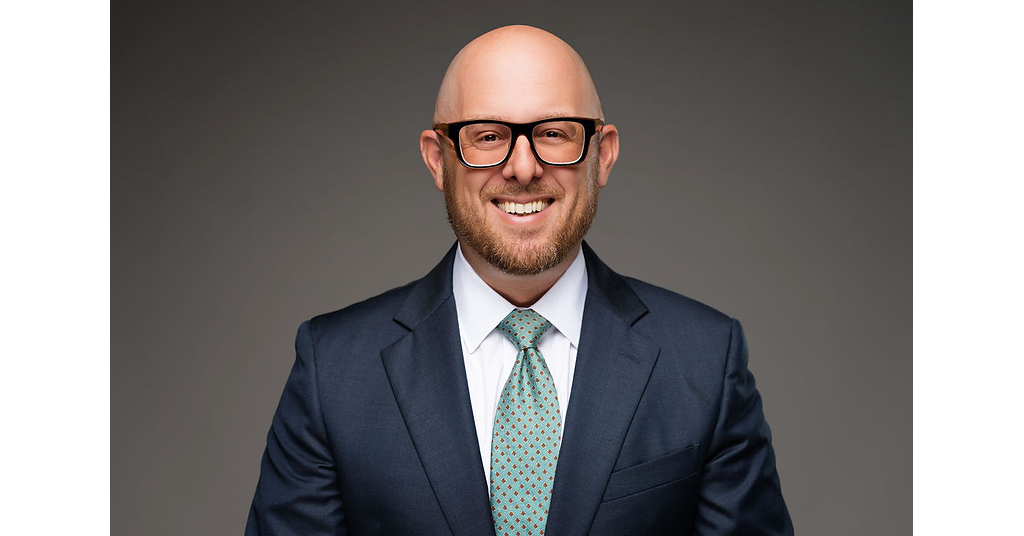
Whistleblower Law Collaborative appointed former DOJ Civil Fraud Section Senior Counsel Augustine Ripa as a partner effective September 28. Ripa spent 12 years at the DOJ and worked on False Claims Act matters that recovered more than $2.1 billion, primarily in health-care fraud, including over $1.0 billion tied to alleged pharmaceutical kickback schemes and more than $700 million in Medicaid rebate cases. The hire strengthens WLC's health-care whistleblower practice as government scrutiny of pharmaceutical pricing and Inflation Reduction Act-related programs expands.
Analysis
This is not a new enforcement action and should not independently alter earnings estimates or valuation for either SGRY or SNY. The investable signal is narrower: a former enforcement architect moving to the plaintiff bar can marginally improve the sourcing, triage and technical framing of qui tam cases, particularly where government-pricing data and rebate calculations are difficult for whistleblowers to document. That raises the long-tail litigation discount for companies with opaque Medicaid rebate, 340B, AMP/Best Price, Part D, or patient-assistance economics—not a near-term catalyst for broadly diversified pharma.
SGRY’s historical linkage to laboratory-testing allegations is likely non-actionable absent a disclosed reopened investigation, reserve increase, subpoena, or adverse reimbursement audit. Its more material current risk remains whether payor scrutiny expands from discrete billing practices into broader site-of-care, utilization, and coding review; that would affect specialty-provider multiples over 6-18 months rather than days. For SNY, the event carries no direct read-through: the relevant exposure would arise only if government-pricing compliance, channel concessions, or charitable-foundation arrangements trigger a company-specific inquiry.
Consensus may overinterpret the DOJ pedigree as evidence of imminent federal action. Private whistleblower firms cannot compel DOJ intervention, and FCA cases typically have multi-year lag times; the actionable leading indicators are sealed-complaint unsealing, Civil Investigative Demands, OIG audit activity, or explicit disclosure of government-pricing reserves. A meaningful thesis shift would require evidence that data-analytics-driven enforcement is producing repeatable cases against a defined drug, PBM, laboratory, or provider cohort.
AllMind Terminal
AI-powered research, real-time alerts, and portfolio analytics for institutional investors.
Request TrialMarket Sentiment
Overall Sentiment
mildly positive
Sentiment Score
0.18
Ticker Sentiment
Key Decisions for Investors
- No directional trade on SGRY or SNY from this announcement; treat the current signal as below the threshold for an earnings-revision catalyst.
- Place a 6-12 month litigation alert on SGRY for new CID/subpoena disclosure, material legal-reserve build, or adverse payor/government audit. A short is warranted only if one of those occurs alongside a reimbursement or margin-guide cut; otherwise legacy-case extrapolation is poor risk/reward.
- Monitor large-cap pharma and PBM disclosures for Medicaid rebate/Best Price/340B reserve language during upcoming filings. If a named issuer discloses a CID or reserve tied to those programs, consider a 3-6 month relative short versus XLV; cover on DOJ declination, settlement below reserved exposure, or no incremental disclosure by the next two reporting periods.
- Do not infer a negative SNY position from its historical association with a prior relator matter. Require a current company-specific regulatory disclosure, pricing-policy change, or guidance impact before reassessing.
More News
- RBC upgrades Lakefront Biotherapeutics stock rating on autoimmune drug potential
- OpenAI’s agent hacked Australia’s Medicare website—the latest rogue AI incident that the company didn’t know about for months
- How Meta took the lead in the race for the post-smartphone world
- Oil industry warns a diesel export ban will raise fuel prices as Trump weighs restrictions
- Australia says OpenAI agent hacked Medicare portal
- US aviation sanctions disrupt Iran flights, push travellers overland