
Co-Creating Future Transit Value: CRRC Brings Three Full-Size Trains and End-to-End Solutions to InnoTrans 2026
Source: PR Newswire
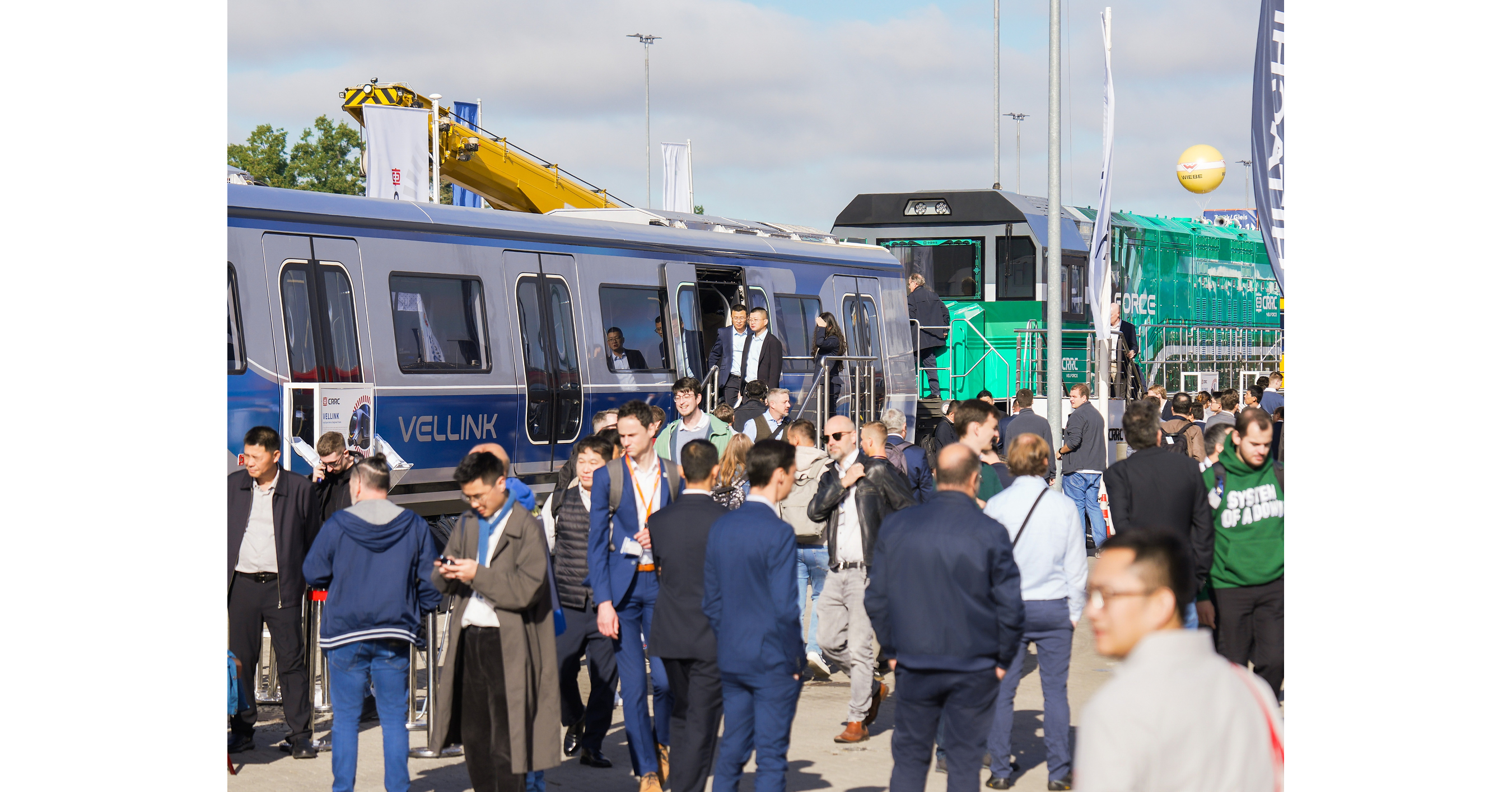
CRRC debuted three full-size rail vehicles at InnoTrans 2026, including an embodied-AI metro train, a 2,000 kW hydrogen fuel-cell hybrid locomotive, and a lightweight intelligent freight flat wagon. The metro train is approximately 18% lighter and uses over 10% less energy than conventional vehicles, while the hydrogen locomotive can refuel in 15-20 minutes and reports hydrogen utilization above 98%. The launches extend CRRC's end-to-end intelligent, lower-emission rail offering across urban transit, freight, and non-electrified regional routes.
Analysis
This is strategically more relevant to European rolling-stock incumbents than to CRRC’s near-term earnings. A broader standardized platform can lower CRRC’s bid cost and shorten localization cycles, increasing pricing pressure on Alstom (ALO FP) and Siemens Mobility/Siemens (SIE GR) in export tenders over the next 6-18 months. The key transmission channel is not a single vehicle launch but bundled bids: rolling stock, signaling, maintenance software and lifecycle financing can shift procurement from unit-price comparisons toward total-cost-of-ownership, where a state-backed supplier can absorb lower initial margins.
The hydrogen locomotive claim should not be treated as evidence of an addressable-order inflection. Non-electrified freight corridors remain economically difficult for hydrogen absent subsidized fuel, depot infrastructure and high utilization; battery-electric and partial electrification are likely stronger substitutes in Europe. Near term, this favors suppliers of electrification and signaling equipment over pure hydrogen exposure, while any tender success could pressure Wabtec (WAB) and Alstom in emerging-market diesel-replacement programs.
The underappreciated risk for CRRC is geopolitical rather than technological: European procurement rules, cybersecurity reviews, local-content requirements and financing scrutiny can prevent product capability from becoming revenue. For ALO, the catalyst is whether forthcoming metro or regional-rail awards show margin discipline despite Chinese competition; another low-margin order would matter more to valuation than this product announcement. There is no immediate standalone trade signal from a trade-show launch without disclosed orders, certified operating performance, or localized manufacturing commitments.
AllMind Terminal
AI-powered research, real-time alerts, and portfolio analytics for institutional investors.
Request TrialMarket Sentiment
Overall Sentiment
moderately positive
Sentiment Score
0.42
Key Decisions for Investors
- Maintain a 6-12 month watch on ALO FP: consider a tactical short only if it wins large urban-rail contracts with order margins below management’s medium-term trajectory or cuts free-cash-flow guidance. Falsifier: sustained book-to-bill above 1x with improving adjusted EBIT margin and no pricing concessions.
- Prefer SIE GR over ALO FP as a relative-value expression through the next 6-18 months: Siemens’ broader automation, electrification and signaling mix provides less direct exposure to rolling-stock price competition. Reassess if European rail tenders begin explicitly excluding non-EU suppliers, which would remove the competitive overhang for Alstom.
- Do not add hydrogen-rail exposure on this release. Create an alert around EU or national funding awards for hydrogen refueling depots and binding fleet orders; absent infrastructure subsidies and multiyear fuel contracts, hydrogen locomotive announcements are unlikely to translate into material supplier earnings.
- Monitor WAB for 2027-28 regional freight replacement tenders outside fully electrified markets. A CRRC win paired with local assembly or concessional financing would be a negative competitive datapoint; lack of export orders within 12 months would support the view that market-access barriers dominate product claims.
More News
- China's AI chip blitz arms Xi with a message for Trump: 'You can't choke us off'
- OpenAI’s agent hacked Australia’s Medicare website—the latest rogue AI incident that the company didn’t know about for months
- Meta announces new lightweight virtual reality glasses to one-up Apple’s Vision Pro
- US aviation sanctions disrupt Iran flights, push travellers overland
- Markets are rapidly coming around to the reality that the Fed has a lot more work to do
- Chinese authorities reportedly in possession of F-35 components in Hong Kong
From AllMind Research
- Anthropic IPO Preview: Valuation, Timing, and What to Watch
- Shein After the IPO: Venue, Valuation, and What Must Be Proved
- What AI Research Tools Should a Small Hedge Fund Buy First?
- Weekly Update: Live Event Center, In-App Documents, and Faster Transcripts
- How to Automate Equity Research Workflows: A Control-First Guide