
Field & Stream Lodge Co. Announces Expansion to Bend, Oregon and Big Bear, California
Source: PRWeb
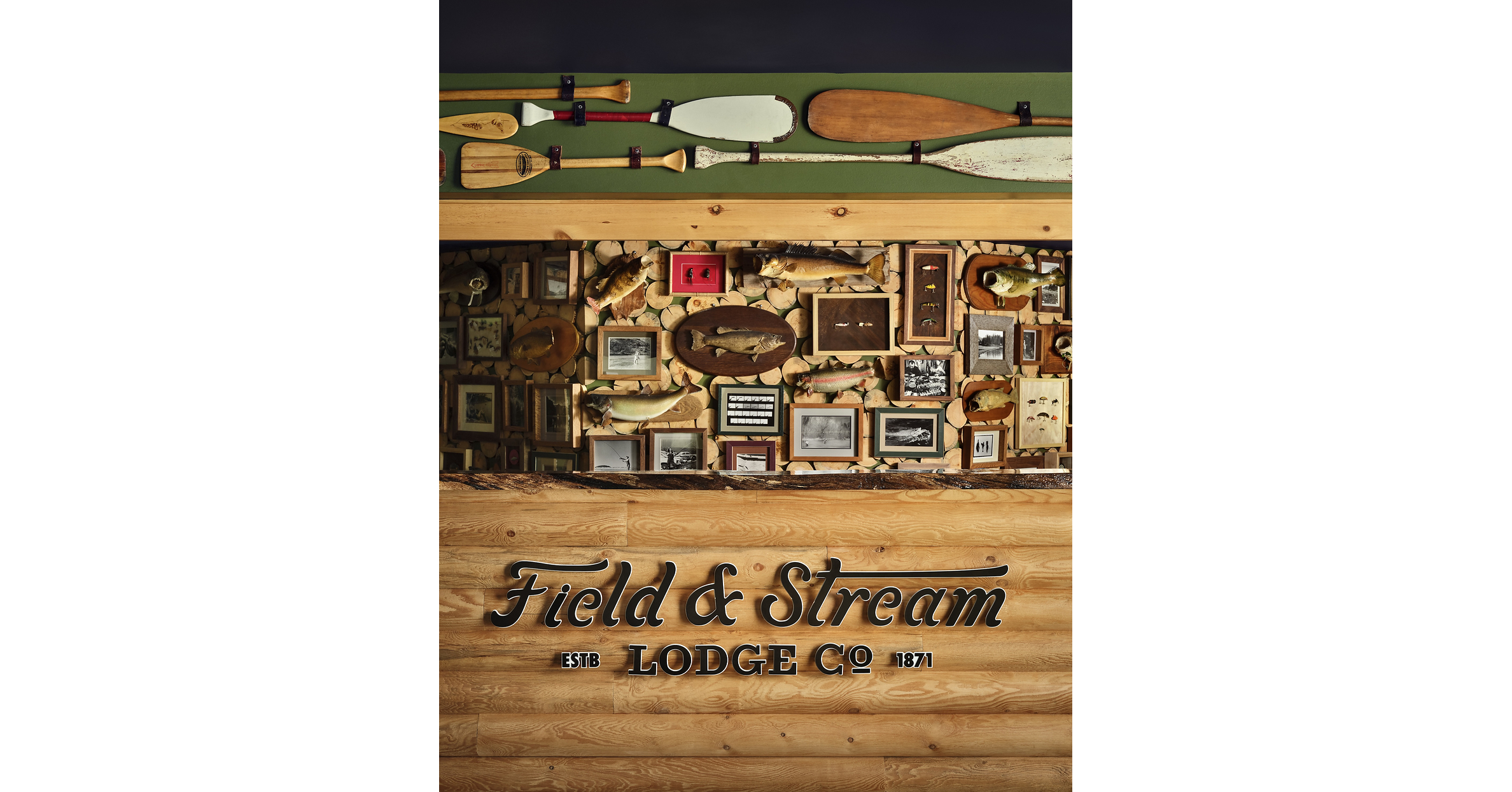
Field & Stream Lodge Co., backed by Starwood Capital Group and AJ Capital Partners, will open two renovated outdoor-focused hotels in 2028: a 151-room former Shilo Inn in Bend, Oregon, and a 148-room former Holiday Inn Resort in Big Bear, California. The projects will be the brand's second and third properties following its Bozeman debut, expanding its hospitality platform into high-demand outdoor recreation destinations. The announcement supports the partners' stated plan for continued national expansion, but provides no transaction values, capital commitments, or near-term financial guidance.
Analysis
This is immaterial to STWD’s near-term earnings or book value: two sub-300-key renovations are far too small to alter a $31B-plus commercial real estate portfolio, and there is no disclosed indication that STWD is providing financing. The relevant read-through is strategic rather than financial—Starwood’s willingness to fund adaptive-reuse leisure assets suggests continued preference for experiential properties where renovation can reset rate positioning, rather than ground-up development with materially higher duration and construction risk.
For public lodging, the competitive effect is hyperlocal and unlikely to move national operators. A branded, design-led repositioning can pressure independent hotel ADR in Bend and Big Bear once inventory opens, but the 2028 delivery date leaves ample time for supply additions and demand normalization. The underwriting risk is that outdoor-destination occupancy is more exposed to discretionary consumer spend, snow conditions, wildfire/smoke disruptions, and insurance costs than the announcement implies; these can erode the expected post-renovation RevPAR premium.
The non-obvious implication is for adjacent destination ecosystems: a higher-quality lodging node can support local food-and-beverage, guided-experience, and event demand, but only if room rates remain below the point where visitors substitute day trips or short-term rentals. LYV has no direct earnings linkage absent a venue, promoter relationship, or event programming contract at these assets. Treat the release as a watch item for Starwood’s private-real-estate deployment appetite, not a tradable catalyst in listed equities.
Over 6-18 months, monitor transaction cap rates and lender appetite for mountain/resort hotels; a widening in hospitality debt spreads or a sharp rise in California property-insurance costs would make renovation economics less attractive and could signal broader stress in destination lodging valuations. Conversely, evidence that the Bozeman property achieves sustained RevPAR and margin outperformance versus its local comp set would validate brand scalability, though that value accrues primarily to private owners rather than STWD shareholders.
AllMind Terminal
AI-powered research, real-time alerts, and portfolio analytics for institutional investors.
Request TrialMarket Sentiment
Overall Sentiment
mildly positive
Sentiment Score
0.35
Ticker Sentiment
Key Decisions for Investors
- No directional trade in STWD or LYV on this announcement; expected earnings sensitivity is de minimis and the operating assets do not open until 2028.
- Add a 6-12 month monitoring alert for STWD: investigate any disclosed hotel/resort loan exposure, equity co-investment, or SREIT allocation tied to the platform before assigning financial relevance. A material increase in hospitality credit exposure alongside widening CMBS/hotel debt spreads would be a negative risk signal.
- For listed lodging exposure, monitor quarterly RevPAR, occupancy, ADR, and insurance expense disclosures from regional resort-hotel proxies rather than extrapolating from private-brand expansion. A sustained weakening in destination-market RevPAR would favor reducing cyclical lodging exposure, while verified premium RevPAR at the Bozeman asset would support a broader experiential-lodging thesis.
- Do not use LYV as a sympathy long. Reassess only if a disclosed multi-property programming partnership or venue-development contract emerges; without one, the causal link to revenue is absent.
More News
- Japan’s corporate leaders sound alarm over weak yen — even dollar-earners are voicing concerns
- Fed hikes again - an AI-Picked insurer is still cashing in
- Berkshire May Boost Japan Trading House Holdings, Itochu Says
- Fed delivers its first hike in 3 years. Plus, what's moving Starbucks and GE Vernova
- Fed approves interest rate hike, signals one more to come this year
- Consumers hit by one-two punch of oil and rates from Iran war. The estimated bill is $1,700 per household