
Zelenskyy Attends Oslo Peace Talks Amid Standoff With Trump
Source: Bloomberg
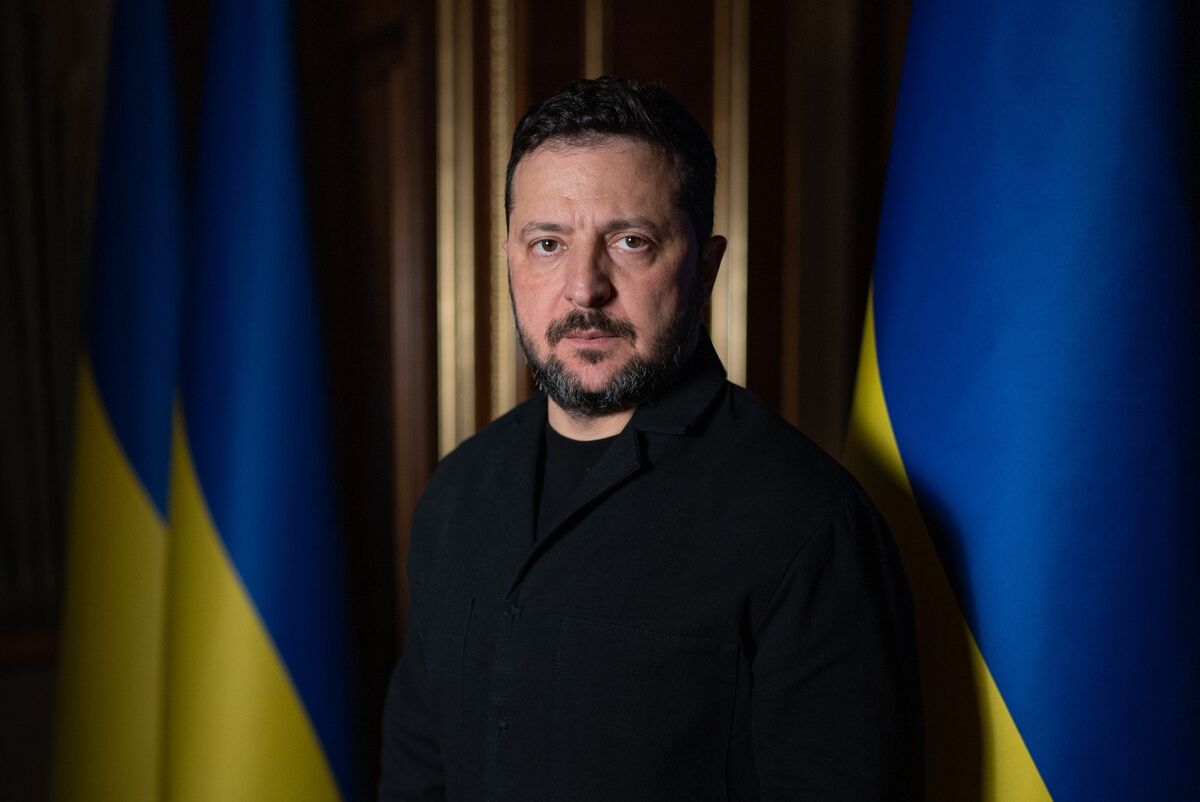
Ukrainian President Volodymyr Zelenskyy arrived in Norway for peace talks with aides of Donald Trump as the US administration presses Kyiv to make concessions to Russia. Ukraine said the US intermittently restricted intelligence sharing, while Washington denied doing so; Ukraine’s military said it received no warning before successive Russian attacks that killed scores of civilians.
Analysis
The investable signal is a higher probability that European governments must fund more of their own intelligence, air-defense, and munitions capacity—not an assured near-term surge in defense-company earnings. If access to US support is viewed as less dependable, procurement preference may shift toward European suppliers; however, production capacity, contracting lead times, and budget approval limit near-term revenue conversion. The second-order effect is pressure on European fiscal priorities: greater defense outlays could support defense suppliers while competing with other spending and adding to sovereign issuance.
Over days, expect headline-driven moves in defense equities and safe havens, with limited confidence in direction beyond volatility. Over 1–3 months, watch for concrete European budget, procurement, or intelligence-sharing decisions. Over 6–18 months, a sustained shift toward strategic autonomy could benefit European defense and secure-communications supply chains, but only if orders and capacity investment follow rhetoric.
Contrarian view: a meeting is not evidence of a durable settlement, but markets may also overprice a permanent US disengagement before policy and operational changes are confirmed. Avoid treating this as a broad commodity or energy shock absent evidence of wider supply disruption.
AllMind Terminal
AI-powered research, real-time alerts, and portfolio analytics for institutional investors.
Request TrialMarket Sentiment
Overall Sentiment
moderately negative
Sentiment Score
-0.35
Key Decisions for Investors
- Consider a measured relative-value long in European defense equities versus broad European industrials, preferably after headline-driven spikes rather than chasing them. Thesis: procurement preference and spending may tilt toward European capacity. Falsify if European budgets or orders fail to advance over the next 1–3 months, or if policy restores dependable US support without a European spending response.
- Keep US defense exposure distinct from European beneficiaries: US primes may still gain from allied replenishment, but perceived dependence on US systems could create a longer-term opening for European suppliers. Do not assume a near-term earnings hit or benefit without company-level order and guidance evidence.
- Use the next 1–3 months’ policy decisions as the catalyst check: monitor verified changes in intelligence cooperation, European defense appropriations, and procurement commitments. If talks produce a durable ceasefire and credible security arrangements, reduce the geopolitical premium; if support restrictions are confirmed and spending accelerates, the structural European-defense thesis strengthens.
- Avoid a broad oil or energy trade on this information alone. Reassess only if escalation demonstrably threatens supply routes or infrastructure; otherwise, the principal exposure is security spending and risk sentiment, not a confirmed energy supply shock.
More News
- As Macron visits Gulf, can France forge its own energy-for-security future?
- Macron lines up more Gulf diesel as France battles soaring fuel prices
- Lavrov backs Tehran, but does Russia also gain from the US-Iran crisis?
- 'Risk appetite' for stocks is the worst since March, Goldman Sachs says
- AI rally fades away from Wall Street as a tiny IPO makes big waves
- UK to deploy fighter jets to defend Saudi cities from Houthi attacks