
United Food Group's New Beverage Equipment Line Supports Core Growth Strategy
Source: PR Newswire
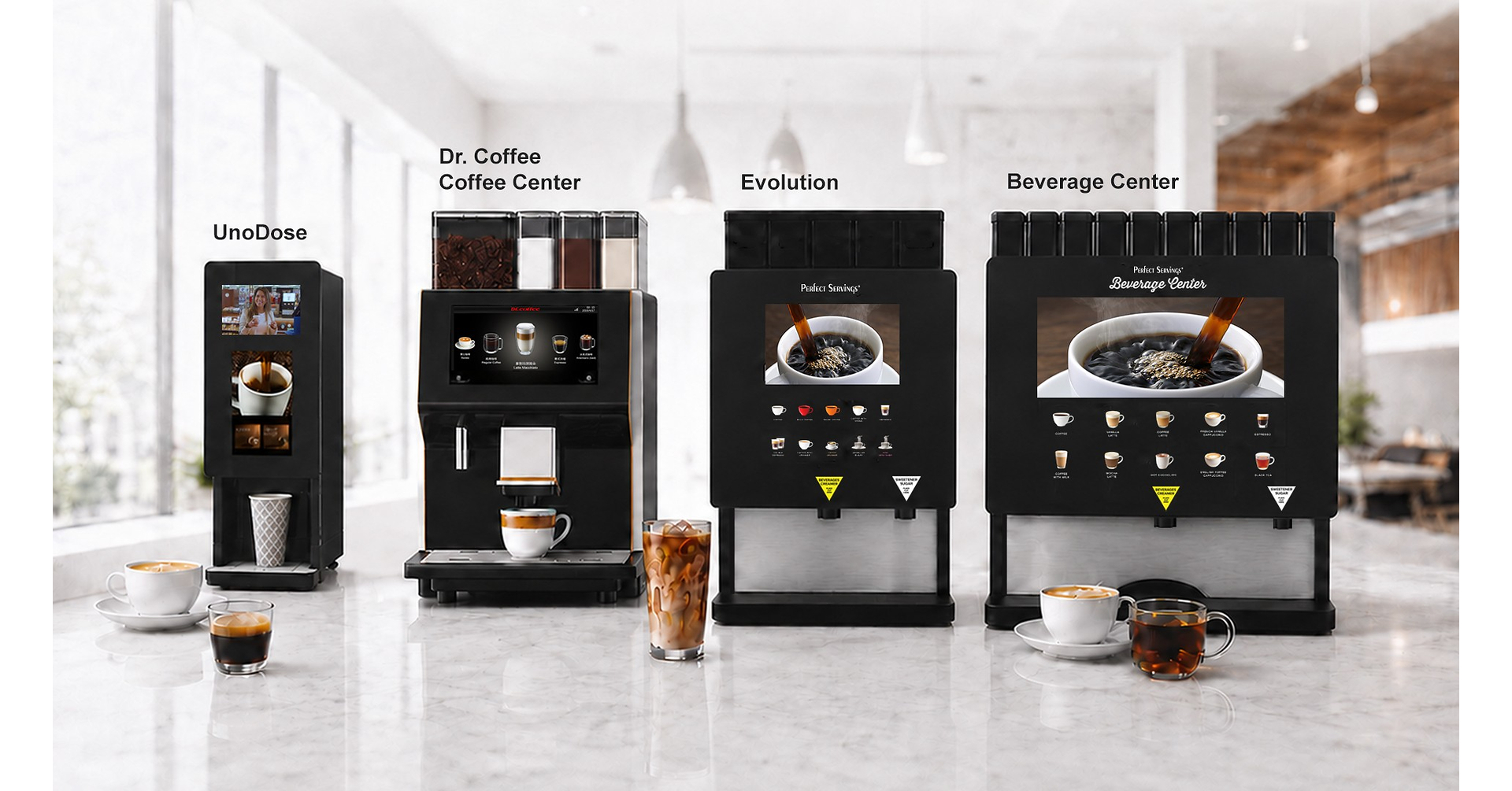
United Food Group introduced an expanded customizable beverage-dispensing equipment line after three years of development investment. The machines replace bag-in-box liquid coffee and cream systems with shelf-stable soluble products with a two-year shelf life, potentially saving customers thousands of dollars annually in product, storage, freight and waste costs. One new machine offers up to 24 beverage selections, while UFG is also expanding its portfolio through a partnership with commercial bean-to-cup equipment manufacturer Dr. Coffee.
Analysis
This is not directly investable, but it modestly reinforces a broader foodservice automation theme: dry, shelf-stable dispensing can shift economics from refrigerated logistics and field servicing toward higher-margin consumables, machine utilization, and software-enabled merchandising. The most exposed public proxies are beverage-equipment and foodservice distribution suppliers rather than branded coffee companies: Middleby (MIDD), Cantaloupe (CTLP), and, indirectly, Sysco (SYY) and Performance Food Group (PFGC). The economic value proposition depends on customers achieving lower spoilage, freight, refrigeration, and labor costs; absent independently disclosed customer deployments, the claimed savings should not be capitalized into sector estimates.
Over the next 1-3 months, the relevant read-through is whether convenience-store and office-coffee operators accelerate capital spending on unattended or self-service beverage formats. That would favor equipment vendors with installed-base service revenue and payment/telemetry exposure, while creating modest pressure on refrigerated dairy/cream and bag-in-box supply chains. Over 6-18 months, greater machine configurability may reduce SKU complexity for operators but increase vendor switching costs once proprietary consumables, remote content updates, and servicing become embedded.
The contrarian view is that the addressable market may be smaller than promotional language implies: dry beverage systems can face taste-quality constraints, cleaning requirements, water-quality variability, and customer resistance in premium coffee formats. A weak convenience-store traffic environment or deferred small-business capex would delay adoption even if lifetime operating economics are favorable. There is no actionable single-name signal without deployment volumes, unit pricing, gross-margin structure, distributor commitments, and evidence that customers are replacing—not merely adding to—existing equipment.
AllMind Terminal
AI-powered research, real-time alerts, and portfolio analytics for institutional investors.
Request TrialMarket Sentiment
Overall Sentiment
mildly positive
Sentiment Score
0.38
Key Decisions for Investors
- No immediate position: treat this as a watch item rather than a catalyst, given the private issuer, low stated impact, and absence of disclosed orders, customers, or financial terms.
- Monitor MIDD and CTLP over the next 1-2 earnings cycles for management commentary on convenience-store beverage equipment, unattended retail placements, service revenue, and operator capex; upgrade only if reported organic growth or backlog inflects above guidance.
- For a broader automation thesis, consider a small tactical long MIDD versus short SYY only after MIDD demonstrates improving commercial-foodservice order trends; thesis is operating leverage from equipment demand versus distributor volume sensitivity. Exit if MIDD backlog declines for two consecutive quarters or foodservice capex guidance weakens.
- Watch refrigerated-input and dairy logistics indicators for second-order effects, but do not short suppliers on this development alone; substitution must be validated through major chain rollouts and measurable declines in refrigerated beverage dispense volumes.
More News
- Wall Street’s Nasdaq hits all-time high as AI frenzy gathers pace
- Data-Center Bet Makes ESDS One of India’s Best New Listings
- Asia stocks ride tech wave higher, oil stays subdued
- South Korean solar stocks jump as curbs on Chinese sector expected to remain in place
- Trump Says US Team Met With Iranians at UNGA
- U.S. regulators rush to write crypto rulebook after Clarity Act stalls in Senate
From AllMind Research
- Anthropic IPO Preview: Valuation, Timing, and What to Watch
- Shein After the IPO: Venue, Valuation, and What Must Be Proved
- What AI Research Tools Should a Small Hedge Fund Buy First?
- Research Workflows, Report Format Selection, and Interactive Synthesis
- Can ChatGPT Analyze a 10-K? A Verification Workflow