
Azuki TCG Unveils Fractured Domains Product Lineup Ahead of November 20 Release
Source: PR Newswire
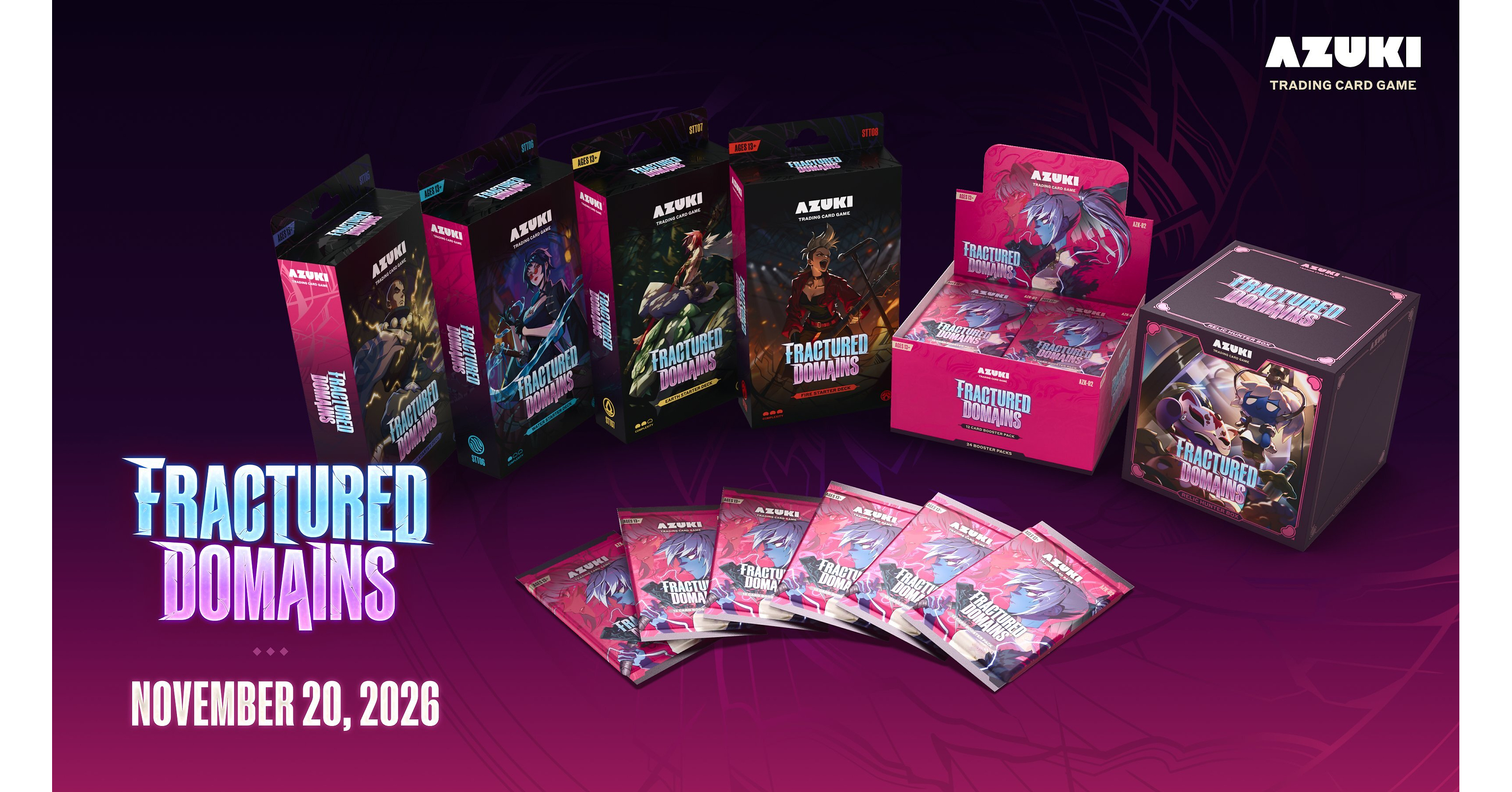
Azuki Labs will release Fractured Domains (AZK-02), the second core set for its trading card game, on November 20, 2026 across North America, Latin America and Europe. The 163-card expansion adds the first dual-element Leader, 20 alternate-art cards, three Portrait Rares, Color Variant rarity cards, four 63-card starter decks and a new Relic Hunter Box format. Demand indicators are constructive: the Pasadena regional tournament sold out both its initial 256-player cap and an expanded 384-player capacity, while organized play is building toward 2027 Nationals.
Analysis
No listed-equity read-through is sufficiently direct to justify a position. The relevant mechanism is whether a niche physical TCG can convert organized-play engagement into recurring sealed-product velocity rather than one-time collector demand; the distinction will emerge through specialty-retail reorder rates, secondary-market price stability, and event attendance after launch. A sold-out regional is a weak demand signal without evidence of repeat participation, geographic breadth, and retailer sell-through.
Near term, the release may marginally support hobby-channel traffic but is immaterial to diversified public retailers such as TGT, WMT, and HAS. The more meaningful competitive implication is for collectible-card incumbents: successful anime-IP TCG launches can take wallet share from Bandai-related product categories and Pokémon/Magic spend, but only if the game develops a durable competitive metagame and avoids excess print supply. New rarity tiers increase collector monetization potential while also raising the risk that speculative opening displaces player-led demand.
Over 1-3 months, monitor preorder allocations, distributor reorder frequency, sold-product versus listed-product pricing on major marketplaces, and tournament retention after the initial launch cycle. Over 6-18 months, a credible 2027 competitive-calendar buildout could create a scalable consumer-products licensing asset, but there is currently no investable public-security exposure and no independently verifiable revenue, print-run, or gross-margin data. The contrarian view is that early tournament sellouts often reflect scarcity and community concentration, not evidence of mass-market adoption.
AllMind Terminal
AI-powered research, real-time alerts, and portfolio analytics for institutional investors.
Request TrialMarket Sentiment
Overall Sentiment
moderately positive
Sentiment Score
0.42
Key Decisions for Investors
- No trade in public equities at this stage; keep TGT, WMT, and HAS on a watchlist only, as any sales contribution from a single specialty TCG launch is unlikely to clear materiality thresholds.
- Set a 30-60 day diligence alert for sustained secondary-market pricing above MSRP, confirmed retailer reorders, and post-launch event retention; without all three, treat collector demand as transient rather than recurring consumer demand.
- For any future Azuki-related private-market or licensing exposure, require print-run data, distributor sell-through, repeat-player metrics, and contribution-margin evidence before underwriting a growth multiple.
- Thesis falsifier for a future category-share concern: rapid discounting below MSRP or declining event participation within the first two organized-play cycles would indicate supply-led launch activity rather than durable wallet-share capture.
More News
- In photos: China's Xi hardens Taiwan warning as country celebrates week-long National Day holiday
- Paramount Skydance prices $42 billion debt for Warner Bros deal
- Tencent leases 100,000 chips from Oracle for $7 bln- FT
- California Gov. Gavin Newsom bans AI 'robo bosses' in landmark state law, reversing his earlier veto
- The new and huger Paramount has a new co-CEO
- RAM supply set to worsen, says Micron, as CEO celebrates ‘much higher’ prices