
Japan’s Rising Home Prices Push Young Buyers to 50-Year Mortgages
Source: Bloomberg
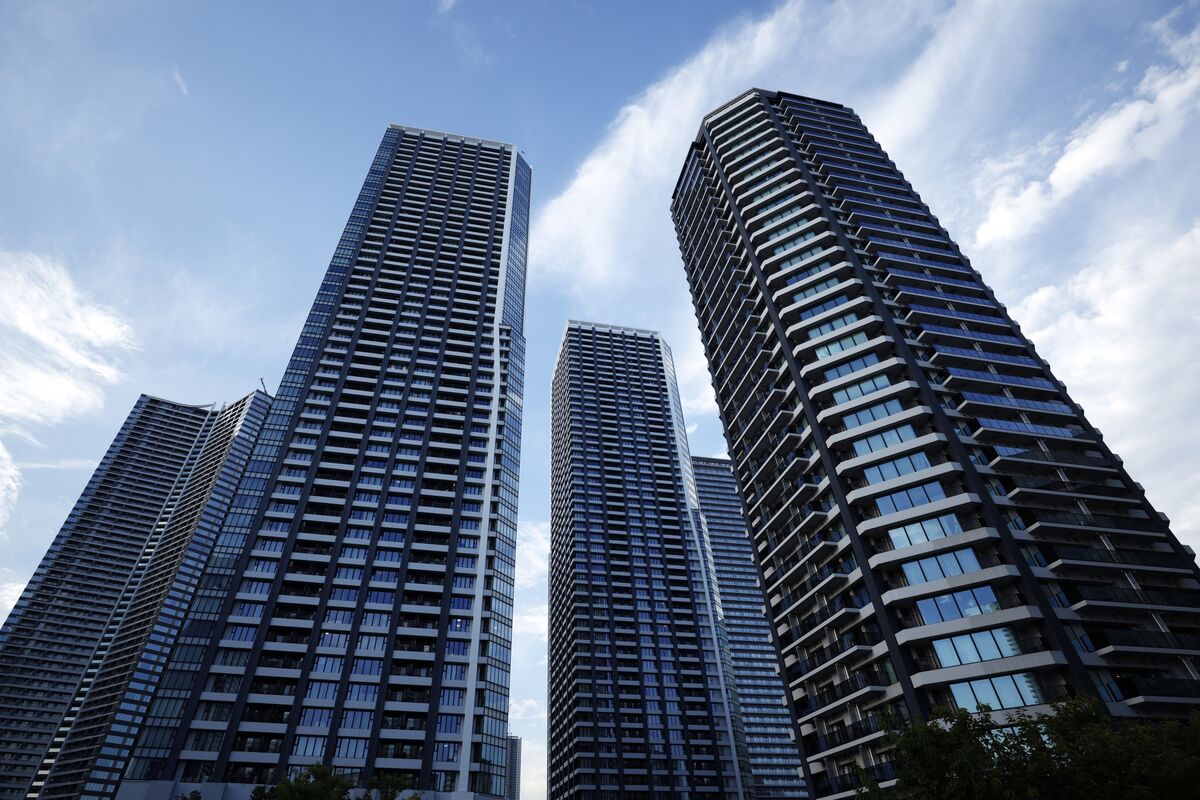
The piece questions whether 50-year mortgages can truly make homes affordable as Japan’s home prices rise, highlighting increased use of ultra-long loans by younger buyers. It also flags related regional themes, including AI investment in Japan’s Tohoku area, but provides no specific figures or policy changes that would materially move markets.
Analysis
This is less an affordability solution than a duration trade: it preserves transaction volume by moving the pain into the back half of the amortization curve. That helps names exposed to new-home turnover and finishing spend, but it does not create incremental household wealth; it simply stretches balance-sheet stress and likely keeps buyers skimping on optional upgrades. For a coatings/materials name like NIPOF, the upside is volume support, not a dramatic pricing tailwind.
The second-order loser is consumption. Longer debt service horizons crowd out renovation, furnishings, and other discretionary outlays for 30s-40s households, which means the macro boost to retail is probably smaller than the housing headline suggests. Banks are also not a clean winner: they add long-duration consumer credit assets in a low-rate market while taking on more extension risk if wages stall or rates back up.
Contrarian view: the market may be underestimating how quickly this can be reversed by underwriting tightening or a modest rise in long rates. If 10Y JGB yields move up, the monthly-payment math breaks first at the margin, and the 50-year product becomes a symptom of demand fragility rather than a catalyst for a sustained housing cycle. The key falsifier is not the mortgage tenor itself, but whether housing starts and renovation orders actually inflect over the next 1-2 quarters.
AllMind Terminal
AI-powered research, real-time alerts, and portfolio analytics for institutional investors.
Request TrialMarket Sentiment
Overall Sentiment
neutral
Sentiment Score
0.00
Key Decisions for Investors
- Small tactical long NIPOF on weakness, but only as a volume-beta trade into 1Q/2Q housing data; risk/reward is decent if new-build activity and repaint cycles accelerate, but upside should be capped if builders continue to squeeze finishes.
- Pair trade: long NIPOF / short broad Japan equity beta via EWJ. The thesis is that housing-linked materials can outperform the index if ultra-long mortgages stabilize transaction volumes, while the broader market gets little benefit.
- Do not chase Japanese bank exposure here; the cleaner expression is lower-duration consumer activity, not higher-quality credit growth. If long mortgage adoption rises without wage growth, lenders face more balance-sheet duration risk than spread upside.
- Set a watch alert on 10Y JGB yields and Japanese housing starts: if yields rise materially or starts fail to improve over the next 1-2 quarters, exit any housing-linked long because the affordability thesis will have been invalidated.
More News
- China's CXMT sees shares drop over 6% as investors look past chipmaker's profit turnaround
- China's economic growth quickens to 4.6% as exports surge, stimulus rolls out
- China’s Coal Output Drops as Concerns Build Over Winter Supply
- Asian stocks skid, Wall Street and bonds aided by oil slip
- India’s Finance Minister blames easy exits and excess liquidity for equity market's underperformance
- Zoom and big financial firms add ‘Proof of Human’ badges from Sam Altman’s World to stop fraud and deep fakes