
SunPower Origin, el nuevo panel solar de SunPower, llega a Europa con tecnología back-contact de octava generación y una garantía única de 40 años
Source: PR Newswire
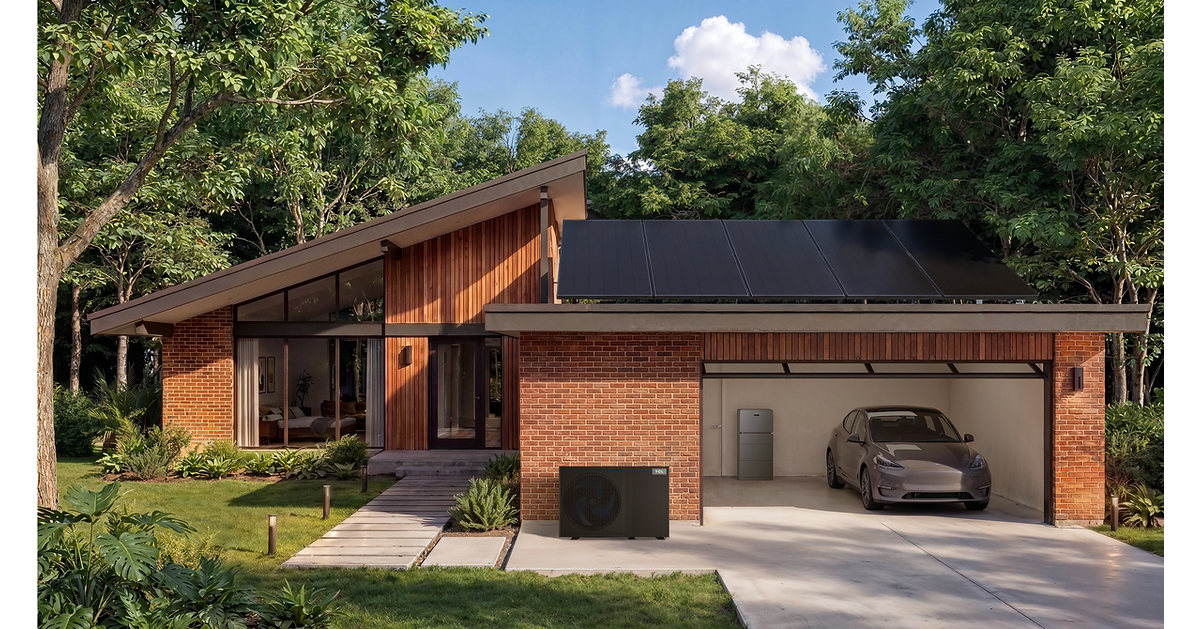
TCL SunPower Global opened European orders for SunPower Origin, its eighth-generation back-contact solar panels, with first deliveries expected before the end of 2026. The residential panel offers up to 505 W and 24.7% efficiency; the commercial panel offers up to 615 W and up to 80% bifaciality. The company says the range carries a 40-year warranty and a maximum annual degradation rate of 0.25%; these are product-launch claims, with no market reaction reported.
Analysis
The investment question is whether Origin can convert a technical-quality claim into durable pricing power—not whether the specification sheet is impressive. If installers can demonstrate meaningfully higher annual yield on constrained or partially shaded European roofs, they may sell a premium system and improve customer economics without adding roof area. That could help SunPower defend a premium segment against commodity module suppliers such as LONGi and JinkoSolar; absent verified yield and price comparisons, however, this remains a conditional advantage rather than evidence of share gains.
Near term, the launch is unlikely to move sector earnings: the release gives no volume commitments, realized pricing, manufacturing capacity, or cost/yield data, and initial deliveries are not imminent. Over 1–3 months, watch partner orders, quoted premiums, and installer conversion. Over 6–18 months, the key test is whether production scales with acceptable yields and whether field performance supports repeat purchases. Any incremental demand could also raise pressure on premium competitors, while a price-led response from commodity makers would cap monetization.
Treat the warranty and reliability statistics cautiously: the return rate is company-reported and relates to the installed fleet, not necessarily Origin; the long-dated guarantee creates contingent exposure whose value depends on the responsible legal entity and its ability to honor claims. The TCL backing is reassuring only to the extent that the guarantee is enforceable and economically supported. The contrarian read is that impressive specs may have limited value if module economics, installer margins, and customer payback—not nameplate efficiency—determine purchasing. No clear immediate trade without pricing and order evidence.
AllMind Terminal
AI-powered research, real-time alerts, and portfolio analytics for institutional investors.
Request TrialMarket Sentiment
Overall Sentiment
mildly positive
Sentiment Score
0.35
Key Decisions for Investors
- No immediate position on the launch alone. For any exposure to TCL SunPower, first verify product pricing versus competing modules, capacity and production yields, and the legal entities actually backing the European warranty.
- Set a 1–3 month diligence trigger: upgrade the thesis only if partner orders convert into disclosed or independently corroborated shipment volumes and installers can sustain a premium while showing a measurable yield or payback advantage.
- Monitor European rooftop installers and premium-module competitors, including LONGi and JinkoSolar, for evidence of share shifts or discounting. A premium that disappears in channel pricing would falsify the differentiation thesis.
- Reassess over 6–18 months against field degradation, warranty claims, and Origin-specific performance data. Material underperformance versus the stated degradation profile, or an inability to scale supply, would invalidate the quality-led growth case.
More News
- What investors need to know about Alphabet's stock-busting earnings report
- Our next steps for Alphabet stock after earnings disappoint at nearly every turn
- Wendy's shares jump 15% as Nelson Peltz's Trian offers $1.4 billion to buy burger chain
- GE Vernova shares slip despite a beat-and-raise. What the sellers are getting wrong
- Microsoft's Big Bets on AI Start to Pay Off
- China’s tech darlings are losing their shine. Here’s what’s behind the sell-off