
Xinhua Silk Road: Chinesische Lösungen für die meteorologische Frühwarnung helfen mehr Ländern dabei, klimabedingte Herausforderungen zu bewältigen
Source: PR Newswire
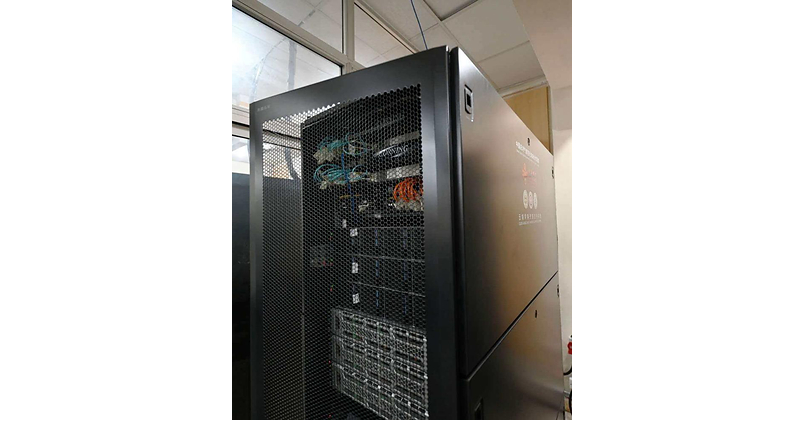
China's AI-enabled MAZU meteorological early-warning platform is undergoing cloud-based trials in more than 40 countries and has been deployed in markets including Pakistan, Ethiopia, Sri Lanka, Jordan and Djibouti. The system combines AI forecasting models, Fengyun satellite data, multi-source monitoring and cloud computing to improve disaster preparedness for climate-related weather events. Nearly 1,000 participants from more than 100 developing countries and regions have also received China-based early-warning training, supporting broader technology-transfer and climate-resilience efforts.
Analysis
This is strategically relevant but not yet investable public-equity news: the deployment model appears state-led, grant-supported and bundled with Chinese satellite, cloud and training infrastructure, leaving little evidence of a near-term revenue pool accessible to listed vendors. The more important mechanism is standards lock-in: countries that operationalize Chinese weather data, model interfaces and local training may face high switching costs, creating a multi-year export channel for China’s earth-observation and sovereign-cloud ecosystem.
For Western weather-data and geospatial incumbents, the risk is concentrated in lower-income sovereign markets where procurement prioritizes concessional financing, turnkey implementation and data access over best-in-class forecasting accuracy. This is incrementally negative over 6-18 months for commercial providers with emerging-market growth assumptions, but too immaterial today to alter estimates for broad names such as Planet Labs (PL), Spire Global (SPIR) or Palantir (PLTR). Conversely, recurring climate-disaster losses should sustain demand for warning infrastructure globally, benefiting diversified public-sector analytics suppliers if Western development agencies respond with funded alternatives.
The contrarian view is that expanded Chinese deployment does not necessarily translate into durable monetization or geopolitical leverage: national meteorological agencies can retain control of alert issuance, and cloud trials may remain donor-funded pilots. The thesis becomes tradable only if future procurement disclosures establish paid contracts, satellite-data exclusivity, or a broader multilateral endorsement that channels development-bank funding toward Chinese platforms.
Near term, treat this as a policy-and-procurement watch item rather than a directional AI trade. Over the next 1-3 months, monitor World Bank, UN and regional development-bank tenders for early-warning systems; a pattern of Chinese-linked awards would matter more than additional country pilots. Over 6-18 months, increasing disaster frequency can raise national resilience budgets, but fiscal constraints in the target markets may keep vendor economics below headline expectations.
AllMind Terminal
AI-powered research, real-time alerts, and portfolio analytics for institutional investors.
Request TrialMarket Sentiment
Overall Sentiment
moderately positive
Sentiment Score
0.48
Key Decisions for Investors
- No immediate position: the stated impact is not linked to a listed beneficiary, disclosed contract value, or independently verifiable recurring revenue.
- Create an alert for World Bank/ADB/AfDB and UN early-warning tenders naming Chinese satellite, cloud or AI providers; revisit a relative-value short in emerging-market-exposed commercial geospatial vendors only after evidence of lost awards or reduced bookings guidance.
- Maintain a 6-18 month thematic watch on PL and SPIR rather than buying on this development; require quarterly evidence that international civil-government revenue is growing faster than cash burn before treating disaster-monitoring demand as an investable catalyst.
- For diversified public-sector software exposure, monitor PLTR international-government bookings and margin guidance. A funded Western resilience response could be a modest upside catalyst, but any position should be sized only after contract awards, not on climate-policy rhetoric.
More News
- Oil falls on report Asia will import highest volume of crude since start of Iran war
- America’s Asian allies want a Trump-Xi truce — but not at their expense
- OpenAI’s agent hacked Australia’s Medicare website—the latest rogue AI incident that the company didn’t know about for months
- Chinese authorities reportedly in possession of F-35 components in Hong Kong
- Meta announces new lightweight virtual reality glasses to one-up Apple’s Vision Pro
- Trump evalúa prohibir exportaciones de diésel de EE.UU.