
Apricorn Earns FIPS 140-3 Level 3 Validation for Aegis Secure Key 3.0
Source: PR Newswire
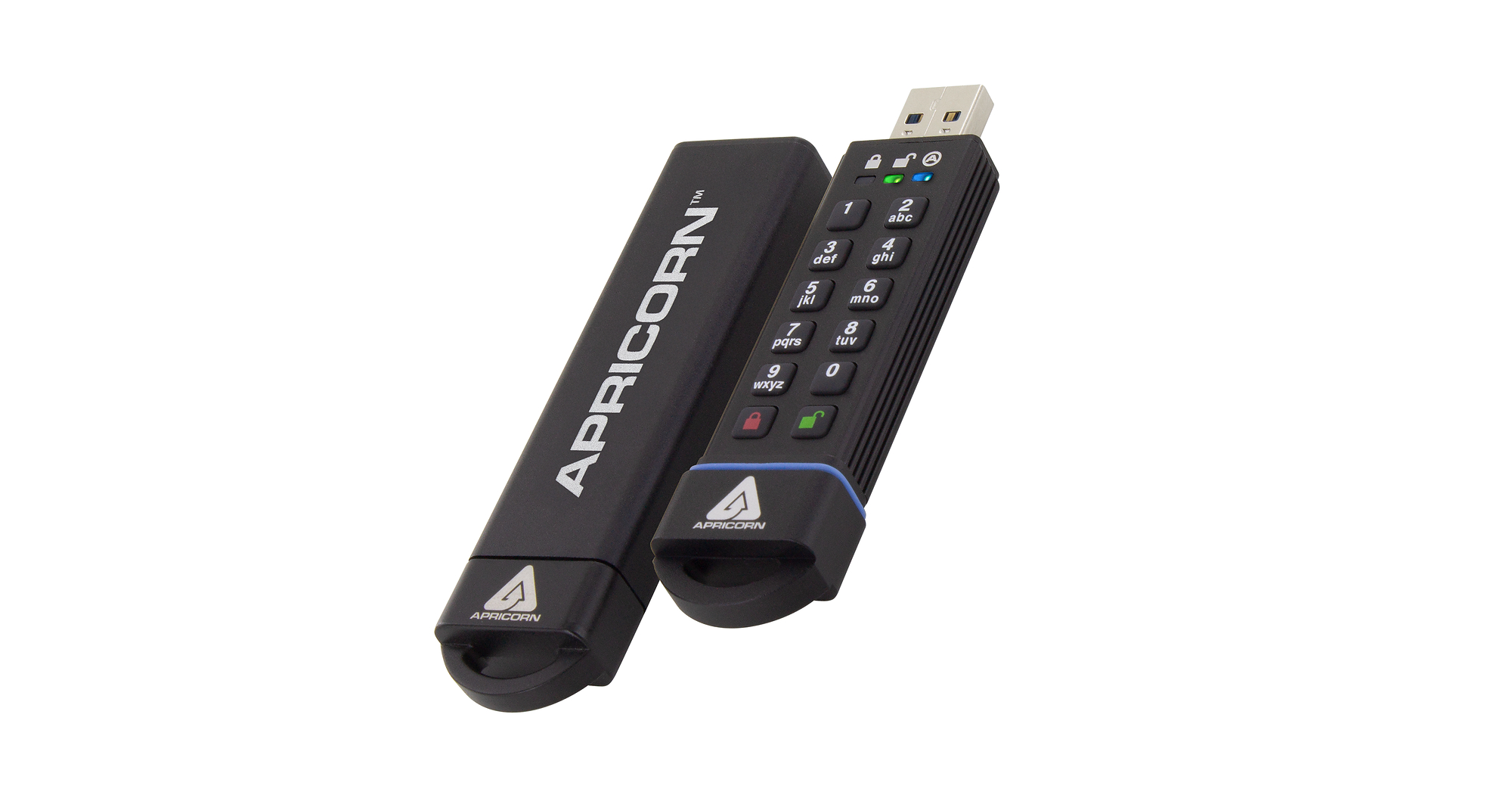
Apricorn's Aegis Secure Key 3.0 received NIST CMVP FIPS 140-3 Level 3 validation (Certification #5517), becoming the first product in its portfolio certified under the latest federal cryptographic-security standard. The encrypted USB storage device offers up to 4TB capacity, nearly 20% faster write speeds than its predecessor, and 256-bit AES XTS hardware encryption, strengthening its positioning with federal agencies, defense contractors, and regulated industries. The validation is the first step in Apricorn's planned transition of its broader encrypted-storage portfolio from FIPS 140-2 to FIPS 140-3.
Analysis
This is a procurement-enablement event rather than an investable revenue catalyst: Apricorn is private, and no public-company read-through is credible without contract awards, federal spending visibility, or evidence that FIPS 140-3 migration is displacing incumbent encrypted-media vendors. The validation may modestly improve Apricorn's position in air-gapped and field-deployed workflows, but portable encrypted storage remains a narrow endpoint-security category relative to public cybersecurity vendors' revenue bases.
The more relevant second-order implication is that higher-assurance requirements reinforce hardware-rooted security in defense and critical-infrastructure deployments, where cloud-only controls are insufficient. That marginally supports public defense/secure-communications suppliers such as Leidos (LDOS), CACI (CACI), and L3Harris (LHX) when programs require secure data handling at disconnected edge locations; however, this certification alone is far too small to alter estimates or valuation.
Over 6-18 months, a broader FIPS 140-3 transition could create replacement demand as agencies and contractors refresh legacy compliant equipment, particularly if procurement rules begin specifying the newer validation standard. The contrarian point is that the upgrade cycle can be slow: agencies commonly retain 140-2-certified products through existing authorization and contract lifecycles, so an immediate volume inflection should not be assumed. Falsification of any broader migration thesis would be continued acceptance of legacy validations in major solicitations or the absence of FIPS 140-3 language in FY27 defense and civilian-agency RFPs.
AllMind Terminal
AI-powered research, real-time alerts, and portfolio analytics for institutional investors.
Request TrialMarket Sentiment
Overall Sentiment
moderately positive
Sentiment Score
0.48
Key Decisions for Investors
- No standalone trade: Apricorn is private and the disclosed event lacks enough scale, pricing, or contract information to support a public-equity position.
- Create a 1-3 month procurement watchlist for LDOS, CACI, and LHX: monitor DoD, VA, DHS, and intelligence-community solicitations for explicit FIPS 140-3 or encrypted removable-media requirements. Upgrade only if awards or backlog additions demonstrate material deployment rather than certification-driven marketing.
- For cybersecurity exposure, avoid extrapolating this event into longs in PANW, CRWD, or ZS; their revenue models are predominantly software/subscription based and have negligible direct sensitivity to encrypted USB replacement demand.
- Reassess the edge-security theme over 6-18 months if CMMC enforcement, classified-workstation modernization, or federal endpoint-security appropriations accelerate. The actionable confirmation would be contractor guidance citing secure-edge hardware demand or a measurable uplift in relevant federal IT award activity.
More News
- Here’s the ‘core economic flaw’ in the AI bull case as stock and bond trades unravel, according to a top economist
- Biotech stocks are surging. How investors can play the new drug innovation boom
- AI funding fears rattle Wall Street. Here's how we're adjusting our portfolio
- Israelis hold final rally against Netanyahu ahead of what may be the most consequential election in the country’s history
- Ukraine says Starlink and Starshield high speed restrictions have been lifted
- Goldman says these top tech stocks have plenty of upside ahead of earnings
From AllMind Research
- Anthropic IPO Preview: Valuation, Timing, and What to Watch
- Shein After the IPO: Venue, Valuation, and What Must Be Proved
- What AI Research Tools Should a Small Hedge Fund Buy First?
- Weekly Update: New Reporting Features, UI Improvements, and Chat Optimizations
- Selecting an AI Research Platform for Institutional Investors