
Magic Cactus Goes a Little Higher: Microdose THC Beverage Brand Launches Limited "Higher Desert Edition" Following Grocery Expansion and New Capital from Listen Ventures
Source: PR Newswire
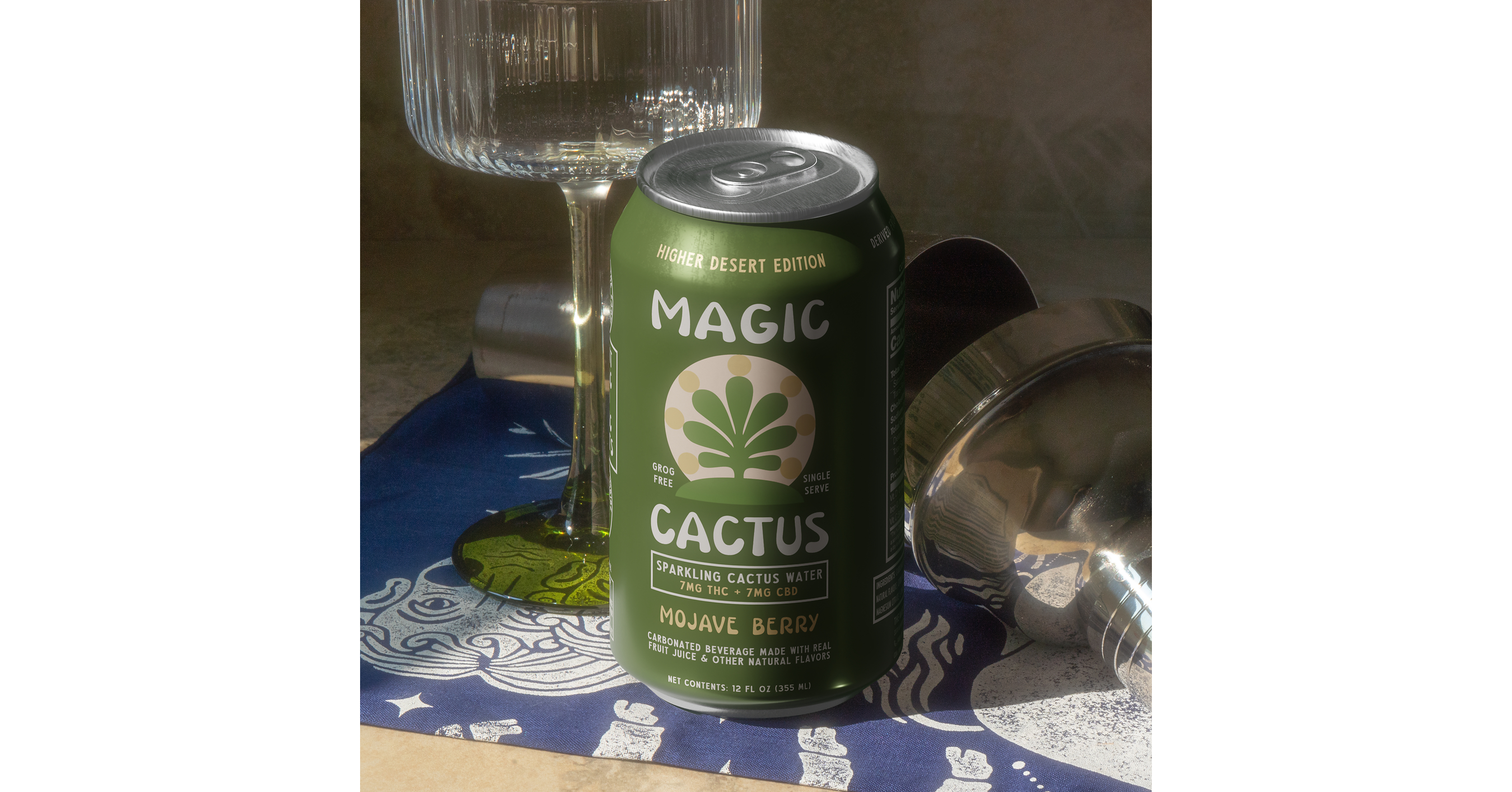
Magic Cactus launched its limited Higher Desert Edition, a 7mg THC/7mg CBD single-serve sparkling beverage priced at $19.99 per four-pack, after its initial pre-order batch sold out. The brand ranked No. 1 in Sprouts' hemp-THC beverage set in H1 2026 and reported year-to-date wholesale revenue growth of more than 200% versus 2025 as its grocery rollout expanded. Growth prospects remain subject to regulatory uncertainty: a federal 0.4mg THC-per-container cap is delayed until December 11, 2026 while Congress considers a more workable framework.
Analysis
SFM’s economic exposure is immaterial: a single emerging-brand beverage cannot move same-store sales or gross margin at a meaningful scale. The relevant signal is strategic—THC beverages may create incremental high-frequency trips and basket attachment among younger, wellness-oriented shoppers, while requiring minimal refrigerated shelf space versus alcohol. If the category scales under a durable compliance regime, SFM gains optionality as a preferred discovery channel; conventional grocers and alcohol retailers are more likely to follow only after legal liability is clarified.
The regulatory deadline is the real valuation event for the category, not this sell-through claim. A restrictive federal implementation could abruptly strand inventory, eliminate interstate distribution economics and favor state-licensed cannabis operators; a workable testing, age-gating and dose-standard framework would instead favor scaled, compliance-ready brands and grocery distributors. Private-brand revenue growth and preorders are not independently audited, so neither should be extrapolated into a broad consumer-demand read-through without repeat-rate, velocity per door, and gross-margin data.
Near term, this is a modest positive for SFM’s differentiated assortment but not a reason to alter estimates. Over 1-3 months, monitor whether shelf allocation expands beyond specialty retailers and whether category velocity cannibalizes adjacent functional beverages or adds to basket. Over 6-18 months, a permissive framework could pressure alcohol occasions at the margin—most exposed are beer and flavored malt beverages—yet any effect on STZ or BF remains too small to trade before national distribution and usage data emerge.
AllMind Terminal
AI-powered research, real-time alerts, and portfolio analytics for institutional investors.
Request TrialMarket Sentiment
Overall Sentiment
moderately positive
Sentiment Score
0.48
Ticker Sentiment
Key Decisions for Investors
- No standalone SFM trade on this launch. Maintain existing exposure; treat a sustained acceleration in SFM traffic, beverage basket size, or category gross-margin commentary through the next two earnings reports as the actionable confirmation signal.
- Set a regulatory alert ahead of the December 2026 implementation date: a clear federal pathway for compliant low-dose beverages would be incrementally bullish for SFM’s assortment moat; an enforceable near-zero finished-product limit is bearish for category suppliers but still only marginally relevant to SFM.
- Avoid shorting STZ or BF on THC-beverage substitution at this stage. Require evidence of multi-state grocery rollout, audited repeat purchase, and measurable beer-category share loss before expressing a substitution view.
- For a consumer-discovery basket, prefer SFM over broad grocery peers only if management quantifies incremental traffic or basket lift from regulated functional beverages; falsify the relative thesis if category compliance costs force delistings or if store-level velocity fails to support expanded shelf space.
More News
- UN mission finds evidence of U.S. war crimes in Iran; Washington rejects report
- California AG Bonta on Paramount-Warner Bros., Meta and AI
- How record diesel prices will rip through the U.S. economy. Trucks and rails are only the start
- Crusoe raises $3.9B to build massive data centers and small modular “AI factories”
- Waymo to launch robotaxis in Singapore, its first Southeast Asia market, by 2028
- UK Lawmakers Say Thames Creditors Have Been Joyriding Family Car