
CPECC Establishes Computing-Power Synergy Platform to Advance "Green Power + Computing" Strategy
Source: PRWeb
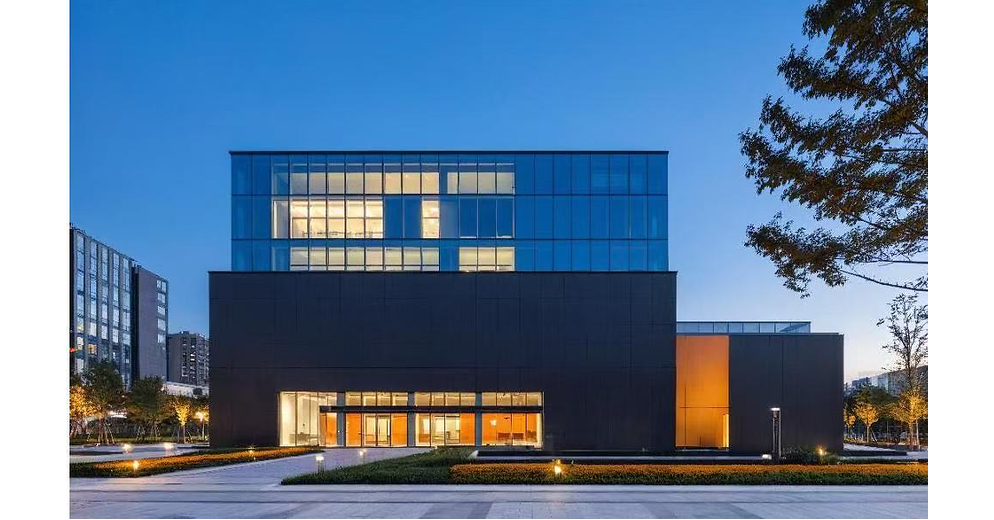
China Power Engineering Consulting Group launched a Computing-Power Synergy Industry Development Platform to expand integrated green-power and data-center infrastructure services under China’s East-to-West Computing strategy. China’s intelligent computing capacity is projected to exceed 20 million PFLOPS by 2030, with computing-related electricity demand expected to reach 800 billion kWh. CPECC plans to shift from project construction toward large-scale, integrated investment, construction and operation of “energy + digital” solutions.
Analysis
This is not yet a company-specific earnings catalyst: the announcement is a strategic platform launch without disclosed capex, contracted load, financing structure, or operating targets. The investable implication is instead that China’s AI buildout is increasingly constrained by deliverable low-cost power and transmission rather than accelerator supply alone. That favors engineering, grid-equipment, storage, and western-China renewable developers over pure data-center operators if projects move from policy designation to signed power-purchase agreements and grid-connection approvals over the next 6-18 months.
The key second-order risk is utilization. Locating compute in resource-rich western provinces improves power economics, but AI workloads require latency, network reliability, and high server utilization; absent subsidized transmission and anchor customers, new facilities can become underutilized infrastructure with weak returns. This creates a potentially unfavorable setup for highly levered Chinese data-center operators such as VNET and GDS if capacity additions outrun monetized demand, while grid bottlenecks and curtailment could delay renewable-linked projects despite supportive policy.
Consensus is likely to treat this as another AI-capex positive. The more differentiated conclusion is that the value pool should migrate toward power availability and interconnection: storage and power-electronics suppliers can benefit even if data-center construction is delayed, because they address intermittency and quality-of-power requirements. A reversal would be signaled by weaker-than-expected provincial compute-capacity tenders, rising renewable curtailment, delayed UHV/grid approvals, or evidence that data-center utilization fails to improve within the next two reporting cycles.
AllMind Terminal
AI-powered research, real-time alerts, and portfolio analytics for institutional investors.
Request TrialMarket Sentiment
Overall Sentiment
mildly positive
Sentiment Score
0.38
Key Decisions for Investors
- No standalone position on CPECC-related news: treat as an alert until project-level contract values, equity-investment commitments, debt funding, and recurring operating economics are disclosed.
- Build a 6-18 month China power-infrastructure watch basket led by China Energy Engineering (601868.SS), Sungrow (300274.SZ), and Chint Electric (601877.SS); favor entries following confirmed western-province grid or storage tenders rather than policy headlines. Thesis fails if tender conversion remains weak or renewable curtailment rises materially.
- Consider a 1-3 month relative-value watch: long China grid/storage exposure versus short higher-leverage data-center exposure (VNET or GDS) only after verifying incremental capacity announcements and utilization trends. The trade targets a widening between regulated/contracted power-infrastructure demand and speculative compute-capacity supply; cover if data-center pricing or utilization accelerates materially.
- Monitor 601868.SS for evidence of a business-model shift from EPC to invested-and-operated assets. That transition can expand backlog quality but also raises balance-sheet and working-capital risk; avoid treating announced project volume as earnings-accretive until cash-conversion and project financing are visible.
More News
- Wall Street’s Nasdaq hits all-time high as AI frenzy gathers pace
- Oil falls on increased Gulf supply and hopes for US-Iran talks
- Data-Center Bet Makes ESDS One of India’s Best New Listings
- Dollar holds near 2-month high as markets weigh rate hikes, Iran diplomacy
- Asia stocks ride tech wave higher, oil stays subdued
- South Korean solar stocks jump as curbs on Chinese sector expected to remain in place
From AllMind Research
- Anthropic IPO Preview: Valuation, Timing, and What to Watch
- Shein After the IPO: Venue, Valuation, and What Must Be Proved
- What AI Research Tools Should a Small Hedge Fund Buy First?
- How to Evaluate AI Report Writers for Financial Analysis
- Weekly Update: Sector Analysis, Improvements on Research Data, and Performance Enhancements