
IFA 2026: Sunseeker Debuts 2027 LiDAR Models, Smart Garden Ecosystem and Industry‑First 3D Semantic Map
Source: PR Newswire
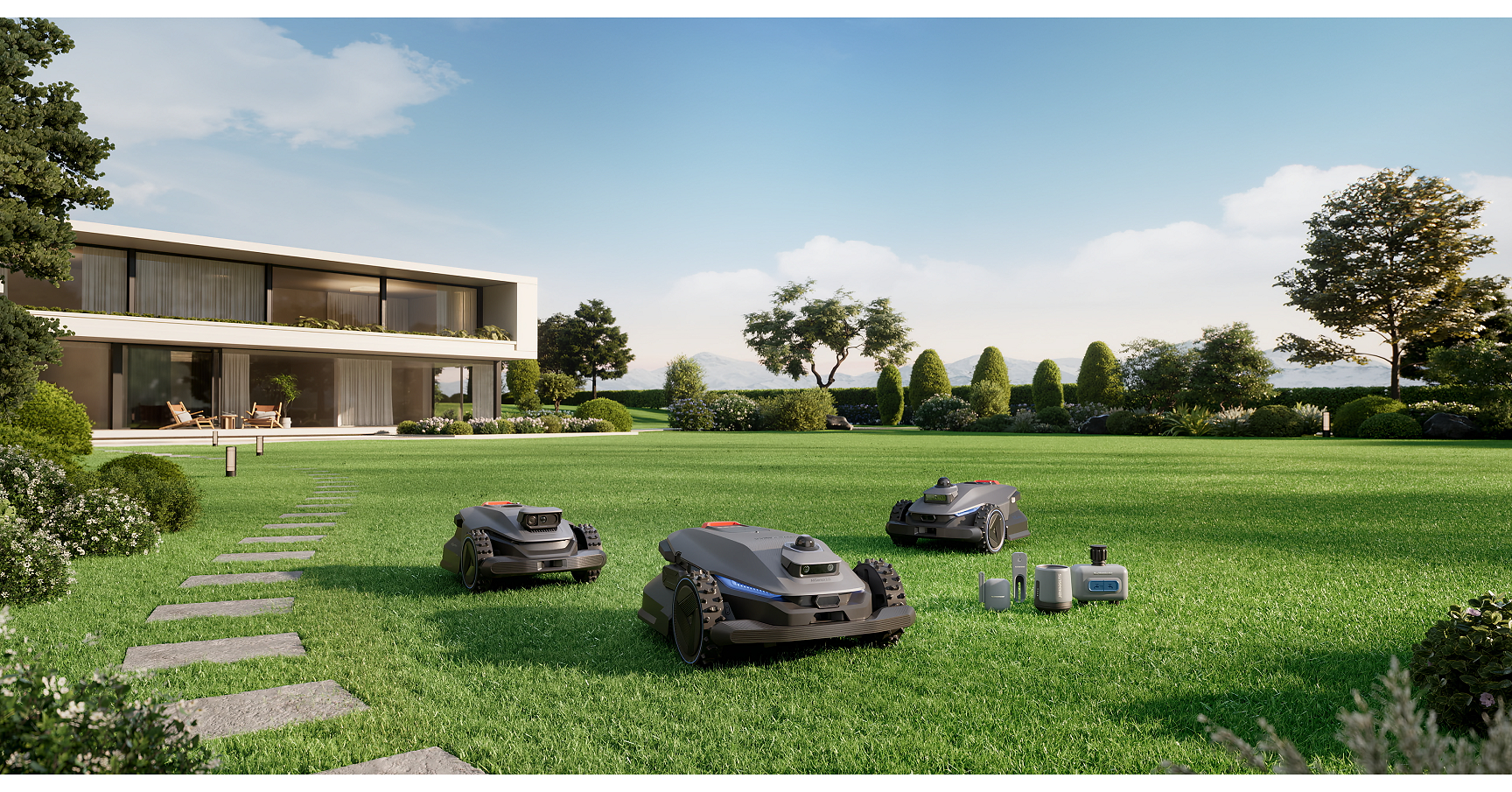
Sunseeker unveiled a 2027 LiDAR lineup of five all-new products plus its Smart Garden ecosystem (AllSense™ 3.0 and MapOS™ with an industry-first 3D semantic map) aimed at fully connected, AI-driven outdoor care starting availability in February 2027. The S7 (AWD) targets steep/off-level terrain up to 80% slopes (~39°) and claims centimeter-level navigation across 500–3,000 sq m gardens. The company also reported a threefold 2026 revenue increase and expanded retail points of sale from ~1,500 (2025) to ~5,000 (2026), signaling strong execution but with limited immediate financial details beyond growth metrics.
Analysis
The investable read is less about the product reveal and more about whether autonomous outdoor care is shifting from a one-off hardware sale to a recurring software/sensor ecosystem. If that model sticks, the economic winner is the company that can monetize mapping, accessories, and irrigation/soil-data attach rates; the loser is the low-end mower vendor competing on box price alone, where differentiation compresses quickly and promotions do the heavy lifting. For public comps, that argues for a relative advantage to channel-heavy home-improvement retailers and premium outdoor equipment brands over commoditized lawn-care hardware.
Near term, the launch itself is mostly a sentiment event, not a financial catalyst: availability is too far out to matter for FY26/FY27 numbers, and claims around autonomy and “3D semantic maps” are still unproven in field conditions. The real 1-3 month catalyst would be channel checks showing whether retailers give this category shelf space and whether consumers accept higher ASPs without installation friction. If returns, setup complexity, or support costs are elevated, gross margin expansion could be offset by warranty/service drag.
The contrarian view is that the market may be underestimating how slowly lawn robotics scales outside early adopters. Fragmented yards, weather variability, and service expectations make this a much harder category than indoor robots; that means 6-18 month adoption could be lumpy even if the tech is good. A meaningful falsifier would be no evidence of unit velocity or attach-rate improvement by the next spring selling season, especially if retailers keep category inventory lean or discounting rises.
AllMind Terminal
AI-powered research, real-time alerts, and portfolio analytics for institutional investors.
Request TrialMarket Sentiment
Overall Sentiment
moderately positive
Sentiment Score
0.35
Key Decisions for Investors
- No direct position in GSIW/INSO on the press release alone; treat as a watch item until 1-2 quarters of channel data confirm sell-through and attach rates.
- Long HD / LOW as a low-conviction relative beneficiary if the category expands: if autonomous outdoor tools gain traction, premium attachment and replacement traffic improve; risk/reward is better than owning the OEMs directly.
- Consider a small short/underweight in TTC on any strength if lawn robotics adoption accelerates, as lower-end mechanized outdoor categories face pricing pressure and mix dilution; invalidate if next spring guidance shows stable margins and share gains.
- Set an alert for retailer inventory builds and promo intensity into the 2027 selling season; rising discounts or higher return rates would falsify the ecosystem thesis quickly.
- If you want direct robotics exposure, prefer a basket approach only after evidence of recurring software revenue emerges; until then the risk/reward is dominated by execution and channel adoption, not product innovation.
More News
- Indonesian stocks plunge to six-year low as MSCI downgrade fears mount
- Putin reportedly suggests summit with Trump and Xi to decide fate of Ukraine
- China's CXMT sees shares drop over 6% as investors look past chipmaker's profit turnaround
- Asian stocks skid, Wall Street and bonds aided by oil slip
- Australia’s Cleanaway agrees to $6.5 bln EQT buyout bid; shares surge
- India’s Finance Minister blames easy exits and excess liquidity for equity market's underperformance