
Sales Gains Drive Scientific Games' SCiQ Tech Expansion at North Carolina Education Lottery Retailers
Source: PR Newswire
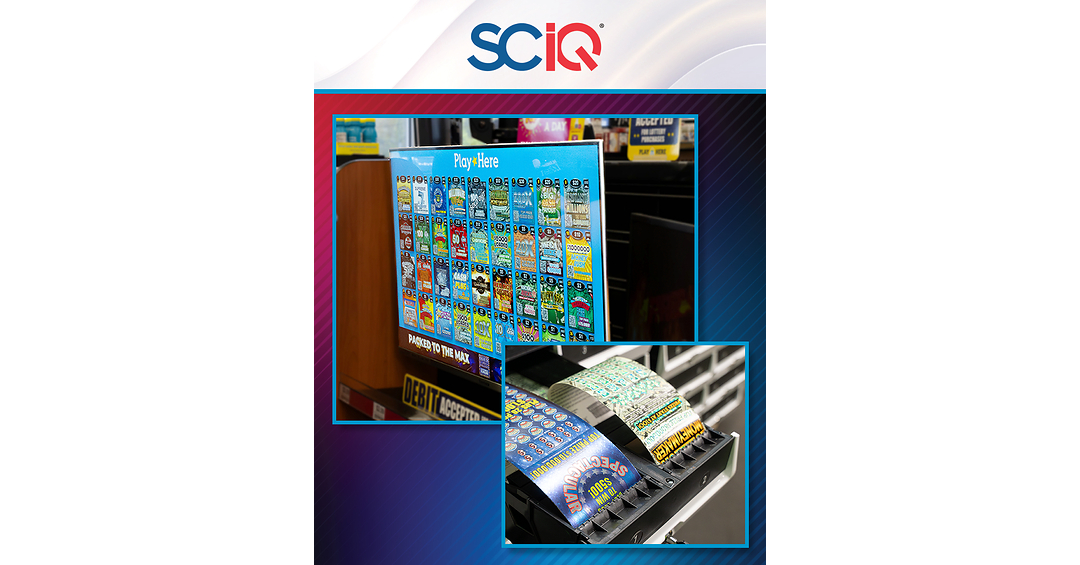
Scientific Games is expanding its SCiQ retail-optimization system to 2,000 North Carolina Education Lottery retailers after deployed Harris Teeter locations recorded average Scratch-Off sales growth of 23.5% as of early August. The technology provides real-time store analytics, digital displays and ticket-level inventory/security controls, supporting higher sales and lower theft. NCEL generated $2.84 billion in Scratch-Off retail sales in fiscal 2025, making the rollout a meaningful operational expansion but primarily a company- and lottery-specific development.
Analysis
The reported lift is directionally supportive of lottery-retail technology adoption, but it is not material to KR earnings: Harris Teeter is a small component of Kroger's revenue base, and lottery commissions are low-margin relative to grocery sales. The more relevant implication for KR is operational: digitally managed lottery inventory can reduce shrink and improve counter throughput, but any benefit should be measured through basket attachment and labor productivity rather than scratch-ticket sales alone. Without evidence that lottery purchasers add higher-margin grocery or convenience items, the sales increase could be largely a transfer from other lottery outlets or discretionary categories.
For the private technology vendor, a statewide deployment creates a useful reference account and may shorten sales cycles with other state lotteries; this is a multi-year recurring-services and data moat rather than a near-term public-equity catalyst. The second-order risk is political and regulatory: lottery sales growth can invite responsible-gaming scrutiny, particularly if data-led merchandising increases purchase frequency. For KR, the near-term risk/reward is asymmetric only if management begins citing lottery or retail-media-style data monetization as evidence of incremental store traffic; otherwise the market should correctly treat this as immaterial store-level optimization.
Contrarian view: the headline percentage may overstate economic value because deployments are likely concentrated in higher-volume locations and early results lack a matched-store control group. A 1-3 month validation point is whether sales remain elevated after the initial merchandising reset and whether non-lottery basket metrics improve. Over 6-18 months, the investable read-through is stronger for convenience operators with dense lottery exposure, including Alimentation Couche-Tard (ATD.CN), than for KR.
AllMind Terminal
AI-powered research, real-time alerts, and portfolio analytics for institutional investors.
Request TrialMarket Sentiment
Overall Sentiment
moderately positive
Sentiment Score
0.42
Ticker Sentiment
Key Decisions for Investors
- No standalone KR trade: the disclosed operational change is below the threshold for a revenue or EPS estimate revision. Maintain existing KR positioning; revisit only if management discloses measurable traffic, basket, shrink, or labor-productivity benefits across a broader store base.
- Monitor KR quarterly commentary for Harris Teeter identical-sales versus the company average over the next 1-2 earnings cycles. A sustained outperformance of more than 100-150 bps alongside improved gross margin would support a modest long KR tactical add; absence of that evidence falsifies any retail-optimization thesis.
- Watch ATD.CN as the cleaner public proxy for scaled convenience-store lottery monetization. Consider a 6-12 month long only if comparable technology deployments are paired with disclosed same-store sales or margin benefits; do not extrapolate the North Carolina percentage into estimates without a controlled-store comparison.
- Set a regulatory alert for North Carolina lottery policy changes, responsible-gaming restrictions, or retailer commission adjustments. Such actions would reduce the value of high-frequency ticket merchandising and weaken the technology-adoption read-through.
More News
- Here’s the ‘core economic flaw’ in the AI bull case as stock and bond trades unravel, according to a top economist
- Biotech stocks are surging. How investors can play the new drug innovation boom
- Braskem creditors, shareholders near deal on $11bn debt restructuring
- Instacart reportedly discussed selling itself with DoorDash and Uber
- Sudan’s soaring fuel prices make getting by harder for workers
- Nvidia's role as AI financier faces first big test as neoclouds take market hit
From AllMind Research
- Anthropic IPO Preview: Valuation, Timing, and What to Watch
- Shein After the IPO: Venue, Valuation, and What Must Be Proved
- What AI Research Tools Should a Small Hedge Fund Buy First?
- Best AI Stock Research Tools for Professional Investors
- Weekly Update: Adding Live MBO Level 3 Data - Liquidity Heatmap, OFI Charts, and More